Your cart is empty
Explore our collectionsCoupons
Order Summary
Total₹ 0

Hello, Gardeners! August is on its way, and we thought you’d like to plant veggies that can have the taste of sunshine and the freshness of monsoons together. What say? If you’ve been telling yourself “Main Garden Bana hi Nahi Paaya is Saal,” relax – August is not the deadline you think it is. That’s simply not true. There are plenty of vegetables to grow in August in India, and honestly, some of them actually do better in this weather than in peak summer.
So, if you’re thinking whether it’s too late to plant a vegetable garden in August, you’re not late. In this blog, we’ll talk about what you can sow right now, and the best vegetables for your kitchen.
Monsoon gets a bad reputation among gardeners, but the truth is, the humidity and rainfall help a lot of vegetables establish faster. You save on watering, the soil stays workable, and germination rates for several monsoon-vegetable favorites in India go up. The trick is picking the right vegetables and giving them some protection from waterlogging – not skipping the season altogether.
Here’s your list of vegetables you can still plant in August, with what each one needs to actually thrive.
Radish is the fastest reward you’ll get from a monsoon garden; some varieties are ready in as little as three to four weeks.
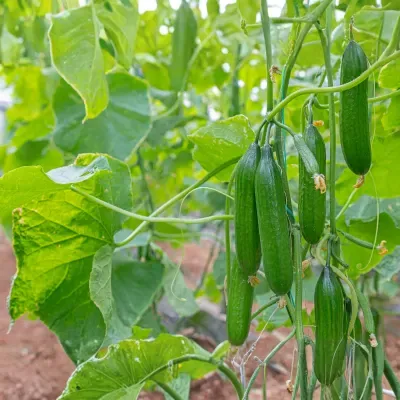
Cucumbers actually love this weather. Give them something to climb – a trellis works, and it keeps the fruit off wet ground too.
Honestly, okra is made for this season. If you’re looking to grab bhindi/okra seeds online in India, now’s the time to actually plant them, not just have them sitting in a drawer.
Capsicum is one of the essential vegetables in Indian cuisine. Capsicum takes a bit longer, but that’s fine — you’ll be harvesting well into early winter.
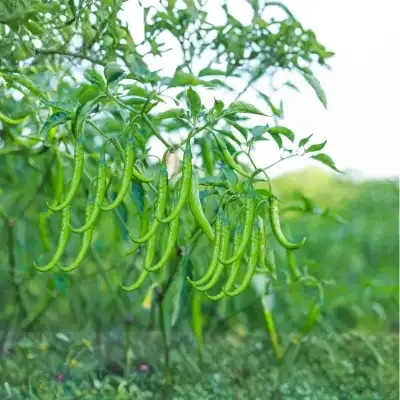
Chilli is a hardy plant and can grow well in humidity. Chilli is one of the best vegetables to grow during monsoon. Good pick if you want something you don’t have to fuss over.
If you’ve got the space, pumpkin vines love August. They spread fast, and the rain does most of the watering work for you.
Cauliflower is grown as a winter vegetable, but some early varieties are sown in August. Cauliflower is one of the best vegetables that is grown with very low care.
Broccoli follows the same logic as cauliflower – an August start means a smoother transition into the cooler months when it really matures.
Lettuce is one of the easiest vegetables and you can cultivate at home. People use lettuce in their weight loss journey as a salad.
Tomato is one of those crops people assume you can only start in winter, but an August sowing — especially with some rain cover — sets you up for a strong harvest by autumn.
For a proper kitchen garden setup, don’t plant everything at once. Mix fast growers like radish and lettuce with the slower ones — cauliflower, cabbage, broccoli, tomato — so you’re not overwhelmed with harvest one week and empty the next. Okra and chilli fill the gap in between nicely. These are the Easiest Vegetables to Grow in August for Beginners and also perfect for your kitchen.
| Vegetable | Harvest |
| Radish | 3–4 weeks |
| Cucumber | 8–10 weeks |
| Okra (Bhindi) | 7–8 weeks |
| Capsicum | 10–12 weeks |
| Chilli | 10–12 weeks |
| Pumpkin | 12–16 weeks |
| Tomato | 10–12 weeks |
| Cauliflower | 10–12 weeks |
| Broccoli | 10–11 weeks |
| Lettuce | 6–8 weeks |
No garden space? Doesn’t matter. Radish, chilli, capsicum, lettuce, even okra in a deep enough pot — all of them do fine in containers. For monsoon vegetables for pots and balconies, the one rule that actually matters is drainage holes. Standing water kills more potted plants than the rain itself ever does.
This is the part people skip, and it’s usually why their August garden struggles. A few basics:
Honestly, winter has it easier overall, fewer pests, fewer disease problems, and the weather just behaves itself. But don’t write off monsoon growing. Okra, cucumber, chili — these actually do better in the heat and humidity, and you barely need to water them since the rain’s already doing that. The real trouble in monsoon isn’t the growing part at all; it’s keeping the drainage sorted and staying on top of fungal issues. Get that one thing right, and monsoon gardening can honestly be just as good, sometimes even easier, than growing in winter.
Once you’ve decided what you’re planting, the next step is sourcing decent seeds. If you’re looking to buy vegetable seeds online or searching for vegetable seeds online in India, Upjau offers a wide variety of seeds, vegetable seeds, and flower seeds online with very affordable prices. For specific picks like lauki bottle gourd seeds online, go for hybrid varieties if you want faster yields, or open-pollinated ones if you’d like to save seeds for next season.
So, for those people who are asking, can I plant vegetable seeds in the rainy season? So yes, absolutely — as you can see, the list of vegetables to sow in August is a lot longer than most people assume. If you’ve got a full kitchen garden or just a few pots on the balcony, August still gives you plenty of room to grow something worthwhile. Get your seeds, keep your pots ready, get going, and grow your own organic vegetables at home.
Okra (bhindi), radish, chili, and lettuce are among the easiest vegetables to grow. They require minimal care, adapt well to Indian climates, and thrive with basic sunlight, well-drained soil, and regular watering, making them ideal for beginners.
In India, vegetables like chili, tomato, spinach, coriander, fenugreek, and brinjal can be grown throughout the year, depending on your region.
Radish is one of the fastest-growing vegetables, ready for harvest in just 3–4 weeks. Other quick-growing options include lettuce, spinach, fenugreek, and coriander, making them excellent choices for beginners and small kitchen gardens.
Hop shoots are considered the world’s most expensive vegetable because they are difficult to cultivate and are harvested for only a short period.