
Every winter, the skin tightens up, and the hair turns dry and frizzy. Our grandmothers didn’t run to a shop for this. They walked into the garden. Flowers used in Indian beauty practices have a long history, from temple offerings and wedding rituals to a simple face pack mixed in the kitchen. In this post, we’ll walk through 10 winter flowers used in Indian beauty rituals and share how you can grow them at home too.
Floral Beauty Traditions in India
Floral beauty traditions in India blend Ayurveda, folk wisdom and ritual. The idea is simple: what grows around you in each season suits your body in that season. Petals were soaked, ground, boiled or infused in oil, then used as toners, packs and hair rinses. These are traditional Indian beauty ingredients (flowers) that many modern skincare brands now copy.
1. Rose (Gulab): The Queen of Indian Skincare
Rose petals in traditional Indian skincare are the most famous example. Gulab rose water’s traditional uses in beauty include toning, cooling tired eyes, and setting a face pack. In Ayurveda, rose is seen as cooling and balancing for pitta-type skin.
- Sow: Plant cuttings or grafted saplings in October-November
- Germination: Seeds take 3-8 weeks; cuttings root in 4-8 weeks
- Colours: Red, pink, white, yellow, peach
- Perfect for: Toner, face mist, dry or sensitive skin, gulkand
2. Marigold (Genda Phool): The Golden Skin Brightener
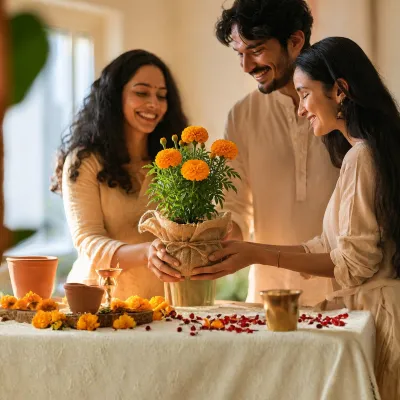
Genda phool in Indian beauty is both festive and functional. Its petals are traditionally ground into pastes and mixed with besan or turmeric for a glow pack. They are also used for blemish-prone, dull skin.
- Sow: September-October for winter blooms
- Germination: 4-7 days
- Colours: Yellow, orange, golden
- Perfect for: Brightening packs, dull winter skin, minor blemishes
3. Chrysanthemum (Guldaudi): The Winter Bloomer
Guldaudi (chrysanthemum) traditional uses in India are more in garlands, hair adornment and decoration than in formal Ayurvedic texts. In other Asian traditions, the flower is steeped as a calming tea and applied as a cooling compress.
- Sow: Seeds in September-October; cuttings in June-July
- Germination: 7-14 days
- Colours: Yellow, white, pink, maroon, purple
- Perfect for: Cooling compresses, hair adornment, winter garden colour
4. Bougainvillea: Colour Without the Fuss
Bougainvillea is mostly ornamental in India, and its role in beauty is more folk than classical. Its papery bracts are sometimes used in home remedies, but there is little traditional use for beauty compared to rose or hibiscus.
- Sow: Cuttings in February-March or the monsoon
- Germination: Rooting takes 3-6 weeks
- Colours: Magenta, pink, orange, white, red
- Perfect for: Garden colour, dried petal potpourri, decorative use
5. Pansy: A Modern Garden Favourite
Pansy is also more decorative than traditional in India. It is an edible flower and works for garnishes and pressed-flower crafts. Mentioning it here is more for the winter garden than for ancient beauty practices.
- Sow: September-November
- Germination: 7-14 days
- Colours: Purple, yellow, blue, white, mixed shades
- Perfect for: Edible garnish, cool-season pots, decorative petals
6. Hibiscus (Gudhal): The Hair Care Hero
Gudhal (hibiscus) hair care tradition is one of the strongest in India. Hibiscus in traditional Indian hair care means flowers and leaves ground into a paste or boiled in coconut oil. This was used for shine, scalp care, and managing hair fall. In many households, a hibiscus hair mask is still a weekend ritual.
- Sow: Cuttings in spring or monsoon
- Germination: Seeds in 2-4 weeks; cuttings root in 3-6 weeks
- Colours: Red, pink, orange, yellow, white
- Perfect for: Hair oil, hair masks, scalp care
7. Chamomile: The Calming Flower
Chamomile flowers in traditional beauty practices are known worldwide for soothing skin. In India it is grown in winter, and chamomile tea or an infusion is used for calming irritated skin, puffy eyes and as a hair rinse for shine.
- Sow: October-November
- Germination: 7-14 days
- Colours: White petals with yellow centres
- Perfect for: Soothing toner, eye compress, sensitive skin
8. Calendula: The Gentle Healer
Marigold and calendula in traditional skincare are often confused, but they are different plants. Calendula is perfect for gentle, soothing preparations. Oils infused with its petals are used on dry, chapped winter skin, lips and hands.
- Sow: October-November
- Germination: 5-10 days
- Colours: Yellow, orange, cream
- Perfect for: Infused oil, lip balm, dry and chapped skin
9. Saffron (Kesar): The Royal Glow
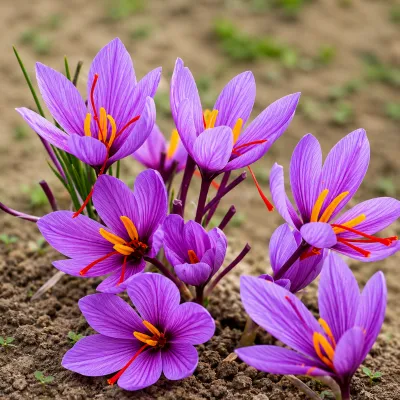
Kesar (saffron) in Indian beauty rituals is a symbol of luxury. Saffron in traditional Indian beauty routines includes soaking threads in milk for a face pack, and the old belief that kesar milk gives a radiant complexion. Saffron comes from the stigmas of the crocus flower, and it grows well mainly in cool climates like Kashmir.
- Sow: Corms in August-September; flowers in October-November
- Germination: Corms sprout in a few weeks
- Colours: Purple or lilac petals with red stigmas
- Perfect for: Brightening milk packs, special-occasion glow rituals
10. Jasmine (Chameli): The Scented Hair Ritual
Jasmine is braided into Indian flower beauty rituals, especially for hair. People tuck flowers into braids and traditionally use jasmine-infused oil for scalp massage. Winter jasmine varieties give yellow blooms in cooler months.
- Sow: Cuttings in February-March or July-August
- Germination: Rooting takes 4-8 weeks
- Colours: White, yellow
- Perfect for: Scented hair oil, gajra, relaxing massage
Flowers Used in Ayurveda for Skin
Ayurveda generally chooses flowers for skin care based on their effects on the three doshas. Cooling flowers like rose and chamomile suit hot, sensitive skin. Marigold and saffron are used for brightening. Flowers used in Ayurvedic hair care, such as hibiscus and jasmine, are mostly applied through oils and pastes to the scalp.
Natural Flowers for Skincare in Winter in India
Natural flowers for skincare in winter in India work well because winter skin needs moisture and soothing. Here is a simple routine:
- Morning: Rose water mist after washing your face
- Evening: Calendula or chamomile oil on dry patches
- Weekly: A marigold-besan pack, or saffron-milk pack for special days
- Hair: Hibiscus-coconut oil massage before shampoo
Always do a patch test first. Natural does not mean allergy-free, and pollen allergies are common.
Winter Flowers You Can Grow at Home for Beauty Use
You don’t need a big garden. Winter flowers you can grow at home for beauty are easy in pots: marigold, calendula, chamomile, and pansy all do well on a sunny balcony. Sow in October-November, give 4-6 hours of sun, and water lightly.
Traditional Ways Flowers Are Used in Indian Skincare
Traditional ways flowers are used in Indian skincare come down to a few methods:
- Steeping petals in water (rose water, chamomile toner)
- Grinding into pastes (hibiscus, marigold)
- Infusing in oils (calendula, jasmine, hibiscus)
- Soaking in milk (saffron)
Why Buy Winter Flower Plants Online from Upjau?
Traditional Indian flowers for beauty remind us that good skin and hair care can be simple. From rose petals to hibiscus, these blooms have served generations of Indian homes. The best way to use them is to grow them yourself, and that is where Upjau can help.
Anyone who has tried growing flowers knows the problem. Local nurseries don’t always have stock, buy you can buy online winter flower plants and grow at home for beauty use, and the plant you bring home may be tired, damaged, or the wrong variety. Ordering online from Upjau avoids that:
- Everything in one place: Find rose, marigold, calendula, chamomile, pansy and more without going from nursery to nursery.
- Season-ready plants and seeds: Get what suits the winter sowing window (October-November) so your blooms arrive when you need them.
- Delivered to your door: No carrying pots home, which helps if you live in an apartment or have limited time.
- Easy for beginners: Start with a few easy pots on your balcony, like marigold and calendula, and add more later.
- Grown with care for home use: Because these flowers may touch your skin and hair, it is worth choosing plants you can grow without harsh chemicals.
Frequently Asked Questions:
1. Which flowers are used in Indian beauty practices?
Rose, marigold, hibiscus, jasmine, saffron, chamomile and calendula are the most common. Each one is used differently, like rose for toning, hibiscus for hair, and saffron for glow.
2. What flowers are used in Ayurvedic skincare?
Rose, saffron, marigold, and chamomile are popular in Ayurvedic skincare. Rose cools and soothes the skin, while saffron and marigold are used to brighten a dull face.
3. Which Indian flowers are traditionally used for hair care?
Hibiscus (gudhal) and jasmine (chameli) are the best known. Hibiscus is ground into masks or boiled in oil, and jasmine is used for scented hair oil.
4. What are traditional Indian beauty rituals with flowers?
Common rituals include rose water toning, saffron milk face packs, marigold-besan packs, hibiscus hair masks, and wearing jasmine gajras. Many families still follow these at home.
5. Which flowers bloom in winter in India?
Marigold, calendula, chamomile, pansy, chrysanthemum, and rose bloom well in winter. Sow most of them in October and November for the best flowers.
6. Can you grow beauty flowers at home?
Yes. Marigold, calendula, and chamomile grow easily in pots on a sunny balcony. Give them four to six hours of sun and water lightly, without any pesticides.
