Your cart is empty
Explore our collectionsCoupons
Order Summary
Total₹ 0

Aloe vera sits quietly, yet gives constant care. Thick leaves hold cooling gel for skin relief plus daily wellness. It asks for little, yet gives so much. You add beauty plus purpose to every corner. Many plant lovers search for How to Grow Aloe Vera Plant at Home for this reason. Aloe vera Plant is strong, highly useful, and has timeless benefits. Bring aloe vera into your garden today, so every leaf works for you.
The benefits of the Aloe Vera plant are not limited to decoration. Each leaf stores soothing gel that feels fresh and natural. It has many medicinal properties & is always within reach.
Key advantages you will notice:
It is like a living first-aid kit that is always useful.
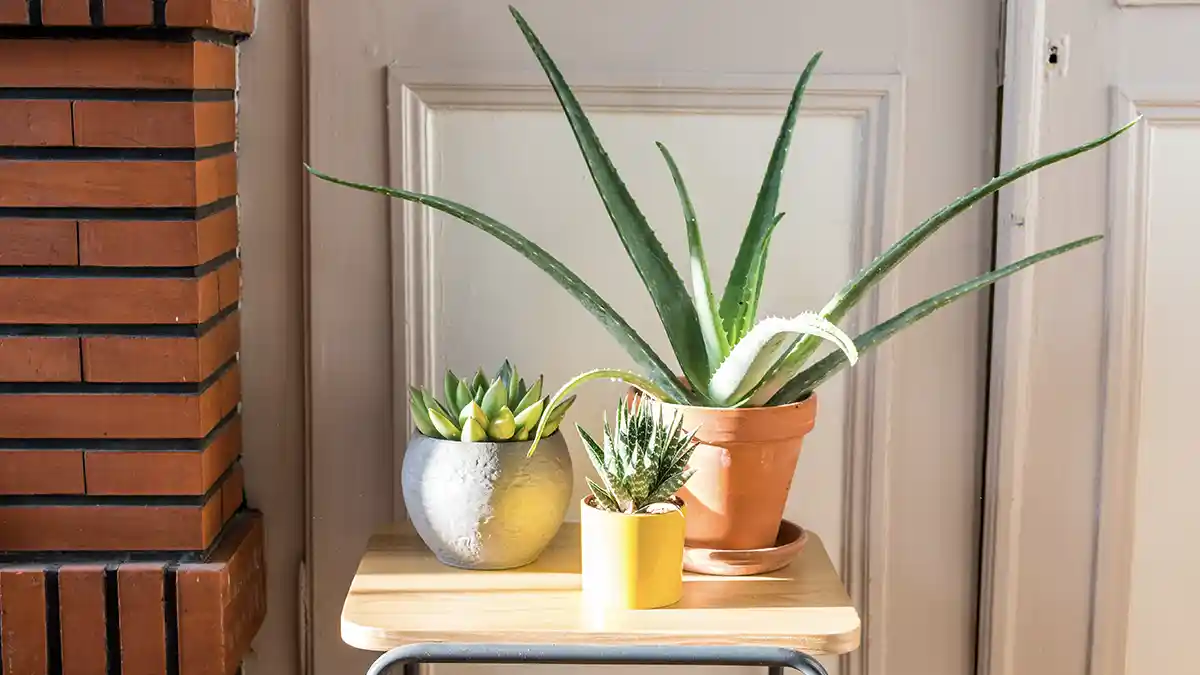
Aloe vera improves the overall feel of your space. A single plant can soften hard corners. It makes rooms feel alive.
Light shapes the strength of your plant. Without enough light, leaves grow thin. Weak. Pale.
Proper Aloe Vera sunlight needs include:
Healthy plants show thick, upright leaves. Firm. Balanced. Full of stored moisture.
If leaves stretch or lean, move the plant closer to the light.
Choose the right pot first. Then your aloe vera grows stronger, looks cleaner, plus stays easy to care for every day.
Roots need air as much as water. Dense soil traps moisture. This leads to rot.
The Best soil for Aloe Vera should feel light & fast draining.
Good options include:
When water flows through easily, roots stay strong. Leaves stay thick.
Imagine soil like a sponge that dries quickly. Not one that stays wet.
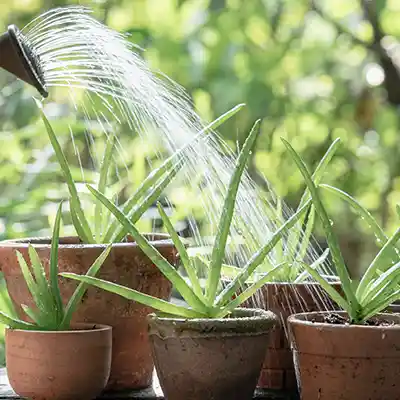
Thick leaves store water like a built-in tank. Too much love harms the aloe vera quietly. So, you water sparingly. The plant sips slowly plus stays content.
Aloe Vera Watering Schedule Made Clear breaks it down.
Never leave water pooling in the saucer. Tip it out right after. Roots stay safe.
Overwatering red flags:
Healthy signs shine through:
Unsure? Hold off a few days. Aloe vera shrugs off dry spells better than soggy ones. Patience pays off.

Consistent Aloe-Vera plant care at home & keeps the plant thriving for years. No complex routine required. Just small habits for plant care.
Care tips to follow:
Soon, small baby plants appear near the base. These can grow into new plants.
Your single purchase multiplies naturally.
Even strong plants need attention sometimes. Early signs help prevent damage.
Problem: Soft leaves
Cause: Too much water
Fix: Allow soil to dry completely
Problem: Thin stretched leaves
Cause: Low light
Fix: Move to a brighter location
Problem: Brown tips
Cause: Sudden harsh sunlight
Fix: Shift gradually into brighter areas
Small adjustments restore plant health quickly.
Aloe vera fits into modern living. It does not demand constant care. Yet it gives lasting value.
You get natural skin support. Clean visual appeal. Plus, a plant that grows stronger over time.
Build your easy garden oasis. Learn how to grow an Aloe Vera Plant at Home & you create a reliable setup. One that fits your space plus routine perfectly. So, greenery supports you daily. Add aloe vera to your collection today with Upjau, a trusted plant nursery in India. Watch it settle in. Grow quietly. Become part of your everyday routine.
A: Yes, it handles indoor spots with bright, indirect light. A desk by a window keeps leaves firm plus upright. Proper light builds compact strength.
A: Fast-draining mixes shield roots from wet. Succulent or cactus soil works great, or sand, soil & compost. Airy feels speeds steady growth.
A: Overwatering softens leaves plus turns them yellow. Let the soil dry fully next time. Firm leaves bounce back quickly.