
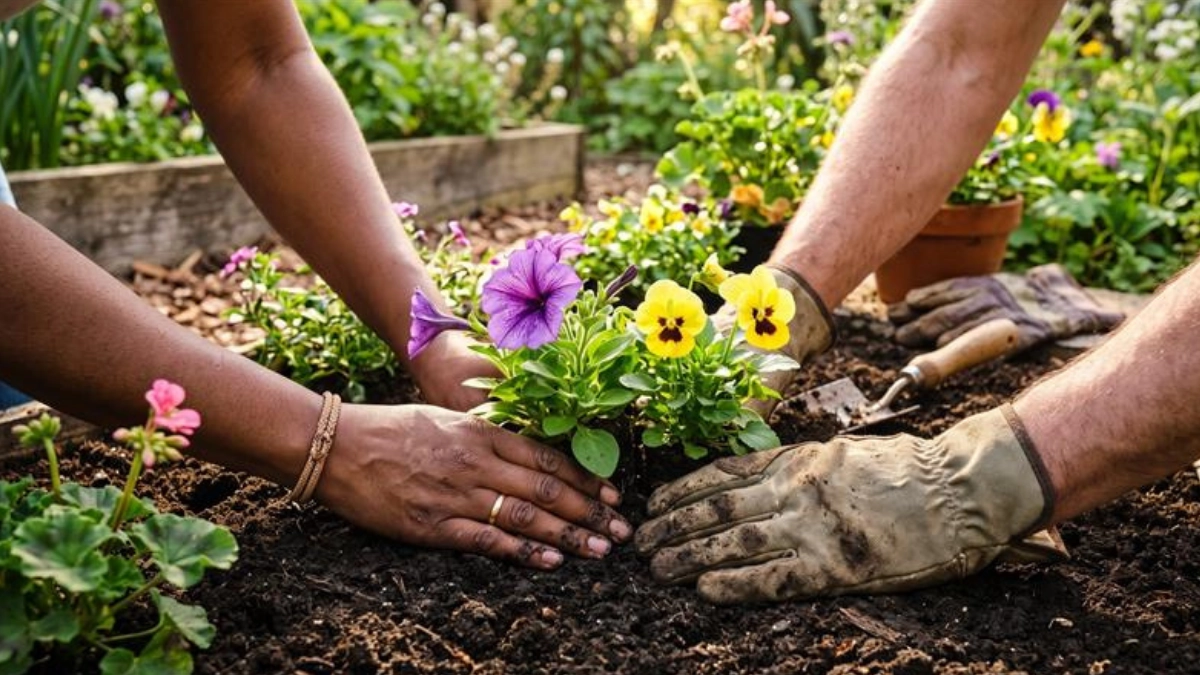
If you want color on your balcony, terrace or garden through the cooler months, petunias and pansies are two of the best winter-flowering plants in India. These plants are easy to start from seed, thrive in containers, and bloom for months with the right care and also give an attractive look to your space. This petunia and pansy growing guide covers soil, water, sunlight, fertilizer, sowing time, and common problems.
Why Choose Petunias and Pansies?
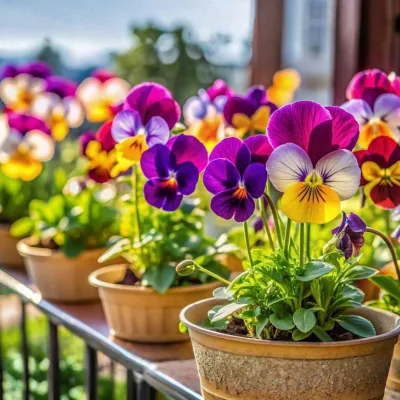
Petunias give trumpet-shaped flowers in pink, purple, red, white, and striped patterns. Pansies have face-like blooms in velvety shades of yellow, blue, violet, and maroon. Both are among the most popular winter flowers for pots in India because they stay compact, flower heavily, and suit small spaces.
| Feature | Petunia | Pansy |
| Flower look | Funnel-shaped, ruffled or striped | Flat, “face” pattern |
| Plant habit | Bushy or trailing | Low, compact |
| Best season (North India) | Winter to early spring | Winter |
| Heat tolerance | Moderate | Low |
| Sunlight | 5–6+ hours | 4–6 hours |
| Seed germination | 7–14 days | 10–14 days |
| Best for | Hanging baskets, borders, pots | Pots, edging, window boxes |
When to Sow Seeds in India
Timing decides success. Both plants like cool weather, so sow when daytime temperatures begin to drop.
When to sow petunia seeds in North India: September to October for winter bloom. A second sowing in January to February gives spring flowers. In South India and hill regions, petunias can be sown almost year-round, while in the plains they struggle in peak summer.
When to sow pansy seeds in India: Late August to October in the plains (sowing in a shaded spot early on). In hill stations, pansies can be sown in spring too.
| Region | Petunia sowing | Pansy sowing |
| North India plains | Sept–Oct, Jan–Feb | Sept–Oct |
| Hills (Himachal, Uttarakhand) | Feb–Apr, Sept | Mar–Apr, Aug–Sept |
| Central India | Oct–Nov | Oct–Nov |
| South India (cooler zones) | Most of the year | Oct–Dec |
How to Grow Petunias from Seeds in India?
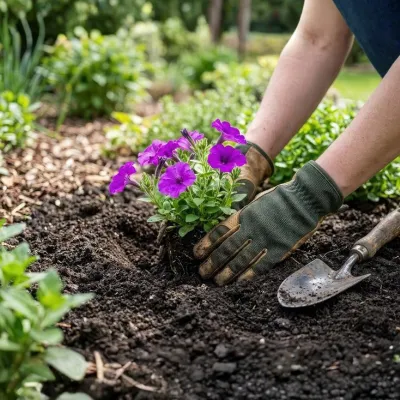
Petunia seeds are as fine as dust, so handle them gently.
- Fill a seed tray with a light seed-starting mix (cocopeat + perlite or fine sand).
- Moisten the mix before sowing.
- Sprinkle seeds on the surface. Do not bury them, because petunia seeds need light to germinate.
- Mist gently with a spray bottle. Pouring water will wash the seeds away.
- Cover with a plastic sheet or glass to keep humidity high, and place in bright, indirect light.
- Germination takes about 7–14 days at 22–25°C.
- Transplant when seedlings have 3–4 true leaves, usually after 4–6 weeks.
How to Grow Pansies from Seeds in India?
- Use a similar seed mix, slightly rich in compost.
- Sow seeds 3–5 mm deep. Pansies germinate better with a light cover of soil.
- Keep the tray in a cool, shaded spot. Temperatures of 15–20°C work best.
- Keep the soil evenly moist. Seedlings appear in 10–14 days.
- Transplant after 5–6 weeks, once seedlings have 4–5 leaves.
Tip: In warm September weather, place pansy trays in a cool corner or under shade net until nights cool down.
Best Soil for Petunias and Pansies
The best soil for petunias and pansies is loose, fertile and well-draining. Heavy clay holds water and causes root rot, while pure sand dries too fast.
- 40% Garden soil
- 20% Cocopeat
- 30% Compost or vermicompost
- 10% Sand or perlite
Soil pH: Aim for slightly acidic to neutral (pH 5.8–6.5) for both plants. Adding a handful of neem cake to the mix helps deter soil pests.
Container size for petunias and pansies in pots: Use pots at least 8–10 inches deep and wide with drainage holes. A 12-inch pot holds 3–4 petunias or 4–5 pansies comfortably. Hanging baskets suit trailing petunias.
Petunia and Pansy Sunlight Requirements
Petunia: Petunias are sun lovers. They need at least 5–6 hours of direct sunlight daily for strong stems and heavy flowering. In low light they become leggy, with few blooms.
Pansies: Pansies like bright light but prefer a gentler sun. Give them 4–6 hours of sun, ideally morning sun with light afternoon shade as temperatures rise.
| Plant | Winter sunlight | Late winter/early spring |
| Petunia | Full sun (6+ hours) | Full sun, shade only in extreme heat |
| Pansy | Full to partial sun (4–6 hours) | Move to afternoon shade |
How to Water Petunias and Pansies?
Correct watering is the key to petunia and pansy care, since both plants dislike soggy roots.
- Check the soil first. Push a finger 1 inch deep. Water only if it feels dry.
- In winter, watering every 2–3 days is usually enough for pots. In warm spells, water daily.
- Water at the base, early in the morning, and avoid wetting flowers and leaves. This reduces fungal diseases.
- Water deeply until it drains from the pot holes.
- Petunias tolerate short dry spells better than pansies, which wilt quickly if the soil dries out completely.
- Mulch with dry leaves or cocopeat to hold moisture.
Warning: Overwatering is the main cause of yellow leaves in petunias.
Fertilizer for Petunias and Pansies
Both are heavy bloomers, so regular feeding matters.
| Stage | Fertilizer | Frequency |
| At potting | Vermicompost + a little bone meal | Once, mixed into soil |
| Seedling to growth | Balanced (NPK 19:19:19), diluted to half strength | Every 10–14 days |
| Flowering | Bloom booster (high phosphorus and potassium) | Every 10–15 days |
| Organic option | Diluted seaweed extract or vermicompost tea | Every 2 weeks |
Tip: Do not over-fertilize. Too much nitrogen gives lots of leaves and fewer flowers.
How to Make Petunias Bushy and Flower More?
Petunias can grow long and straggly if left alone. To make petunias bushier and flower more:
- Pinch the tips when the seedling is 4–6 inches tall to encourage side branches.
- Cut back leggy stems by one-third in mid-season. New growth and flowers follow in 2–3 weeks.
- Give full sun and regular feeding.
- Remove spent flowers regularly.
How to Deadhead Petunias and Pansies?
Deadheading means removing faded flowers so the plant puts energy into new blooms instead of seeds.
- Petunias: Pinch off the faded flower together with the swollen base (seed pod) just behind it. For sticky varieties, use scissors.
- Pansies: Snip the faded bloom with its stem right down to a leaf junction.
- Deadhead every 2–3 days for continuous flowering.
Petunia and Pansy Companion Planting
| Companion | Why it works |
| Marigold | Repels some pests, adds warm colour |
| Alyssum | Fragrant ground cover, attracts pollinators |
| Calendula | Similar needs, bright orange/yellow flowers |
| Dianthus | Compact, cool-season, pairs well in pots |
| Lobelia | Trailing blue accent for baskets |
How to Protect Pansies from Heat in India?
Pansies suffer once temperatures stay above about 28–30°C. As March approaches in the plains:
- Move pots to a spot with afternoon shade.
- Use a 30–40% shade net over the plants.
- Mulch the soil to keep roots cool.
- Water in the early morning, and lightly in the evening if needed.
- Stop fertilizing during heat stress.
- Cut back leggy stems to prolong life for a few extra weeks.
Pansies usually finish by April. In hotter regions, treat them as seasonal annuals and replant next year.
Why Are My Petunia Leaves Turning Yellow?
| Cause | Sign | Fix |
| Overwatering | Lower leaves yellow, soil wet | Let soil dry, improve drainage |
| Nutrient deficiency | Pale leaves, slow growth | Feed balanced fertilizer, add iron chelate |
| Low light | Pale, leggy plants | Move to full sun |
| Pests (aphids, whitefly) | Sticky leaves, tiny insects | Spray neem oil (5 ml per litre) |
| Root rot | Wilting despite wet soil | Repot in fresh mix, trim rotten roots |
Common Pests and Diseases
- Aphids and whiteflies: Spray neem oil or mild soap solution weekly.
- Caterpillars (budworm): Hand-pick or use neem spray.
- Powdery mildew: Improve airflow, avoid wetting leaves.
- Damping-off in seedlings: Avoid overwatering and use a clean, sterile mix.
Month-by-Month Care Calendar (North India)
| Month | Task |
| Aug–Sept | Prepare soil, sow pansy seeds in shade |
| Oct | Sow petunia seeds, transplant pansy seedlings |
| Nov | Transplant petunias, start fertilizing |
| Dec–Jan | Peak bloom, regular deadheading |
| Feb | Cut back petunias, feed bloom booster |
| Mar | Shade pansies, reduce feeding |
| Apr | Pansies fade, petunias continue in cooler areas |
Where to Buy Seeds and Plants Online in India?
If you want to skip seed starting, you can buy petunia plants online from Upjau in India or buy pansy plants online from Upjau in India, ready to transplant into your pots and garden. For seeds, you can buy petunia and Petunia seeds online from Upjau in India, so you get quality seeds from one trusted place.
Buying tips when you shop at Upjau:
- Choose fresh seeds with a packing date, ideally within the last year.
- Look for hybrid F1 varieties for bigger blooms and uniform colour.
- A winter flower seed combo pack from Upjau in India (petunia, pansy, dianthus, alyssum, calendula) is economical and gives variety.
- When buying live plants, pick compact plants with green leaves, many buds and no pests.
- Check delivery packaging and customer reviews on Upjau to ensure plants arrive healthy.
Frequently Asked Questions:
1. Can I plant pansies with petunias?
Yes, you can. Both love cool weather, bright light, and well-drained soil, so they look lovely together in pots. Give petunias the sunniest spot.
2. What is the best month to plant petunias?
In North India, sow seeds in September to October for winter flowers. You can also sow again in January to February for spring blooms.
3. What is the secret to growing petunias?
Give them full sun, loose, well-draining soil, and regular feeding. Pinch the tips early and remove faded flowers often, and your plants will stay bushy and bloom more.
4. What is the lifespan of a petunia?
Petunias are perennials by nature, but in India they are grown as annuals. They usually bloom for 5 to 7 months, until the summer heat arrives.
5. Should I water my pansies every day?
Not always. Check the soil first. Water when the top inch feels dry, usually every 2 to 3 days in winter. Never let roots sit soggy.
6. What fertilizer is good for pansies?
Use a balanced fertilizer like NPK 19:19:19 at half strength every 2 weeks. When flowering starts, switch to a bloom booster with high phosphorus and potassium.
