
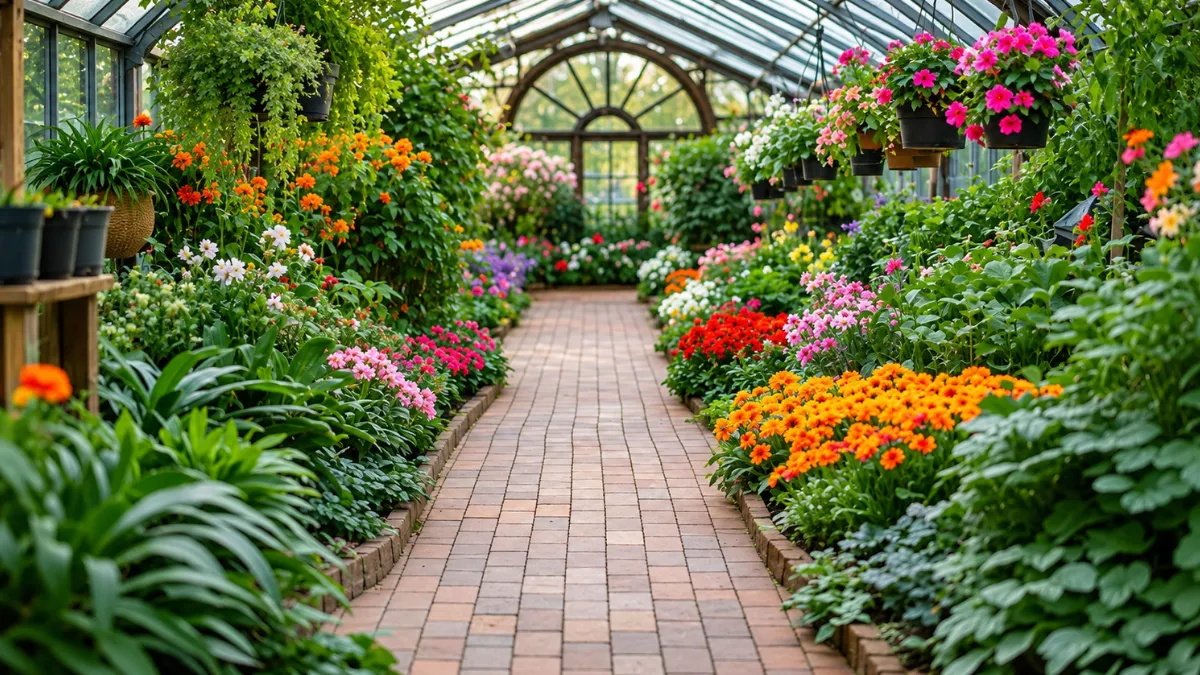
Gardening in Delhi NCR is a bit of a mixed bag. May and June will cook your plants, July and August drown them, and then November shows up and suddenly everything wants to grow. Cool mornings, a bit of fog, and sun that finally feels pleasant on your back. The soil stays cool too, so seedlings don’t get stressed the way they do in summer. If you live in Noida, Gurgaon, Ghaziabad, Faridabad or anywhere in Delhi, this is your season, and a simple winter planting calendar Delhi NCR gardeners can follow will save you a lot of guesswork (and a lot of wasted seeds).
Below, we’ve gone month by month, from November to February, and listed what actually does well: winter vegetables, herbs, and a few flowers for colour. The tips come from how gardens really behave in this region, not from a textbook. Doesn’t matter if you have a proper backyard or just five pots on a terrace garden. Pick what fits your space and start there.
Understanding Delhi NCR’s Winter Weather for Gardening
Delhi winters swing between 4°C on the coldest January nights and 22-25°C on sunny afternoons. Dense fog, cold waves and occasional frost in open areas like Greater Noida, Gurgaon outskirts and Ghaziabad are normal.
Then there is the air pollution. Around 65% of Delhi’s winter PM2.5 comes from outside the city, and about 35% from within. Vehicles make up nearly half of the local share. Across the region, secondary particles account for 27%, transport 23% and biomass burning 20%. Stubble burning varies a lot: it averaged 4.9% in 2025, against 15.5% in 2024.
Three things matter most in this season:
- Soil preparation: Mix garden soil with well-rotted organic compost or cow dung manure, and add a handful of neem cake to keep pests away.
- Watering: Plants need far less water in winter. Water in the morning, never at night.
- Frost protection: Cover tender seedlings with an old cotton sheet, jute sack or a light net on cold nights.
Now, the calendar.
November: The Golden Month for Sowing
November is the busiest month in the kitchen garden. The heat has gone, the soil still holds a little warmth, and seeds germinate fast.
Vegetables to sow directly in the ground or large pots:
- Radish (mooli): Ready in 30-40 days. Sow in rows and keep the soil loose.
- Carrot (gajar): Needs deep, sandy soil. Use pots at least 12 inches deep.
- Spinach (palak): Sow thickly; first harvest in about 30 days.
- Fenugreek (methi): One of the easiest crops. Scatter seeds and cut leaves in 3-4 weeks.
- Beetroot: Soak seeds overnight for better germination.
- Turnip (shalgam): Quick growing and loves cool weather.
- Peas (matar): Sow in the first half of November for the best pods. Give them a small trellis or bamboo support.
- Mustard greens (sarson): Fast, hardy and perfect for saag.
- Lettuce: Sow in shallow trays and transplant after two weeks.
Vegetables to transplant as seedlings: Cauliflower, cabbage, broccoli, and onion. Buy healthy seedlings from upjau, or raise your own in trays. Also plant garlic cloves and potatoes (early November) now. These are the perfect vegetables plant for your garden.
Herbs for November: coriander (dhaniya), dill (suva), mint, parsley, oregano, thyme and lemongrass. Coriander especially loves November; sow seeds after lightly crushing them.
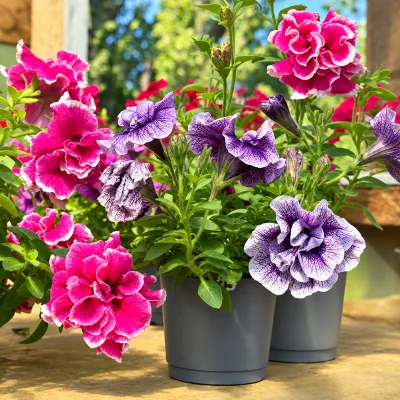
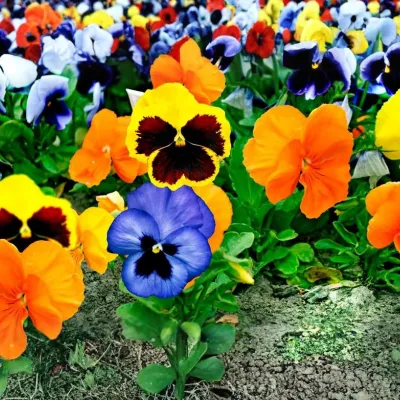
Flowers to add color: marigold, petunia, pansy, calendula, sweet pea and phlox. Winter flowers also attract pollinators, which helps your vegetable plants.
Tip: Stagger your sowing. Instead of planting all your radish at once, sow a small batch every 10-12 days so you get a steady harvest rather than a glut.
December: Keep Growing, Keep Protecting
December brings thicker fog and colder nights, so growth slows down a little. But it is far from a dead month. Fast leafy crops still do very well, and this is the time your November sowings begin to reward you.
Vegetables to sow in December:
- Spinach and methi: Keep sowing small batches.
- Coriander: Sow again for continuous supply.
- Radish and turnip: Still fine in the first two weeks.
- Lettuce, Chinese cabbage and bok choy: These love the chill.
- Spring onion: Plant from small bulbs or seed.
- Peas: Only very early December sowings will do well; after that, growth is slow.
Vegetables to transplant: If you missed November, you can still plant cabbage, cauliflower and broccoli seedlings in the first week of December, though harvests will come a bit later.
Herbs for December: coriander, mint, fenugreek, parsley, chives and ajwain (carom). Ajwain leaves are underrated; they make a wonderful chutney and are great for digestion.
Fruits and ornamentals: December is excellent for planting bare-root roses and for repotting. Citrus plants such as lemon and kinnow can be planted now in sunny spots. Strawberry runners can also go in late in the month for a spring crop.
Care tips:
- Water only when the top inch of soil feels dry.
- Mulch the soil with dry leaves or straw to keep roots warm.
- Cover young plants overnight whenever a cold wave is predicted.
- Pick leafy greens regularly; it encourages fresh growth.
January: The Coldest Month, the Smartest Month
January is when most people give up on their garden, and that is a mistake. Growth is slow, yes, but this is a perfect time to prepare for spring and to keep a steady supply of greens on your plate.
Vegetables to sow in January:
- Spinach, methi, coriander: Still reliable, though they take a few extra days.
- Radish: Early January sowings work in sunny spots.
- Lettuce and microgreens: Microgreens are brilliant for apartments. Mustard, methi and radish microgreens are ready in 7-10 days on a sunny windowsill.
Nursery work for spring:
The smartest thing you can do in January is start seeds indoors or in a protected corner. Sow tomato, brinjal, and chilli seeds in trays. They germinate slowly in the cold, so use a transparent plastic cover or keep trays near a sunny window.
Herbs for January: Keep harvesting mint, coriander, parsley, thyme and oregano. Protect basil, which hates cold, by bringing pots indoors or wrapping them at night.
Flowers: Sweet pea, calendula and pansy keep blooming. Prune roses toward the end of the month for a strong flush of flowers in February.
Care tips:
- Avoid heavy feeding; plants are not growing fast.
- Remove yellow or frost-burnt leaves.
- Watch for aphids on cabbage and mustard
- Turn over empty beds and add compost, they are ready for summer crops.
February: Spring Arrives, the Garden Wakes Up
By mid-February, Delhi’s weather starts turning. Days warm up, nights lose their sharp chill, and the garden suddenly seems alive again. February is the bridge between winter and summer.
Vegetables to sow in February:
- Cucumber, bottle gourd (lauki), bitter gourd (karela), ridge gourd (tori): Sow from mid-February onward once the cold nights ease.
- Okra (bhindi): Sow in the last week of February, ideally after soaking seeds overnight.
- Pumpkin and sponge gourd: Late February is fine in warmer pockets.
- Spinach and coriander: Last sowings before the heat sets in.
- Tomato, chilli and brinjal: Transplant the seedlings you started in January.
Herbs for February: This is the month for basil. Sow tulsi and sweet basil seeds now. Also sow fresh coriander and plant mint cuttings. Lemon balm, chives and parsley continue to do well.
Flowers: Sunflower, zinnia, cosmos, portulaca and gaillardia can be sown now for colour in March and April.
Care tips:
- Begin regular watering as the days warm up.
- Feed plants with vermicompost or liquid seaweed fertilizer.
- Start staking tomatoes and providing trellises for climbers.
- Harvest cauliflower, cabbage, and peas before temperatures
Common Mistakes to Avoid
- Overwatering: Cold, wet soil causes root rot and fungus. Less is more.
- Planting too late: Peas, carrots and cauliflower need November; waiting till January gives poor results.
- Ignoring sunlight: Fog and shade from buildings can starve plants. Move pots to the sunniest spot.
- Skipping soil nutrition: Winter vegetables are heavy feeders in the early weeks, so add compost before sowing.
- Using the same soil again and again: Rotate crops and refresh pots with new compost each season.
Why Buy Your Winter Plants Online from Upjau?
Following a calendar is easy. Finding the right plants at the right time is the hard part, and that is where an online nursery helps.
Winter-ready range: Upjau sells Ranunculus bulbs, which are best planted between October and December. Winter bloomers like Cineraria are also available. That makes it easy to plan your planting to match the calendar.
Suited to Delhi’s weather: The site has a season-by-season guide for Delhi, which recommends plants like Petunia Double for Delhi’s cool winter sun.
Free delivery: Orders above ₹399 get free delivery. For a small balcony garden, one combo pack is often enough.
Expert help: The site has a garden expert support chat where you can ask plant care questions.
Pan-India delivery: Upjau offers convenient Pan-India delivery, so whether you are in Delhi, Noida, Gurgaon or elsewhere, plants reach your doorstep
Frequently Asked Questions:
- What should I plant in Delhi NCR in winter?
Go for leafy greens like palak and methi, root crops like radish and carrot, peas, cabbage, and herbs such as coriander. Add marigold or pansy.
- Which flowers grow best in Delhi NCR in winter?
Marigold, petunia, pansy, calendula, sweet pea, and phlox do well. They like the cool weather and a spot with four to five hours of sun.
- Which vegetables grow best in Delhi NCR in winter?
Radish, spinach, methi, carrot, peas, cabbage, and cauliflower are the best picks. Leafy crops and radish are quickest, often ready in four to six weeks.
- When is the best time to sow winter flowers in Delhi NCR?
October to early November is ideal for most seeds like marigold, pansy and petunia. Sweet pea and calendula can still go in until about mid-November.
- When should I sow seeds for winter vegetables in Delhi?
Mid-October to November is the main window. Sow radish, spinach, methi and peas first, and keep sowing small batches of leafy greens right through December. - Which month is best to start a winter garden in Delhi NCR?
November is the best month to start. The soil is cool, the weather is steady, and almost every winter crop can easily go in outdoors.
