
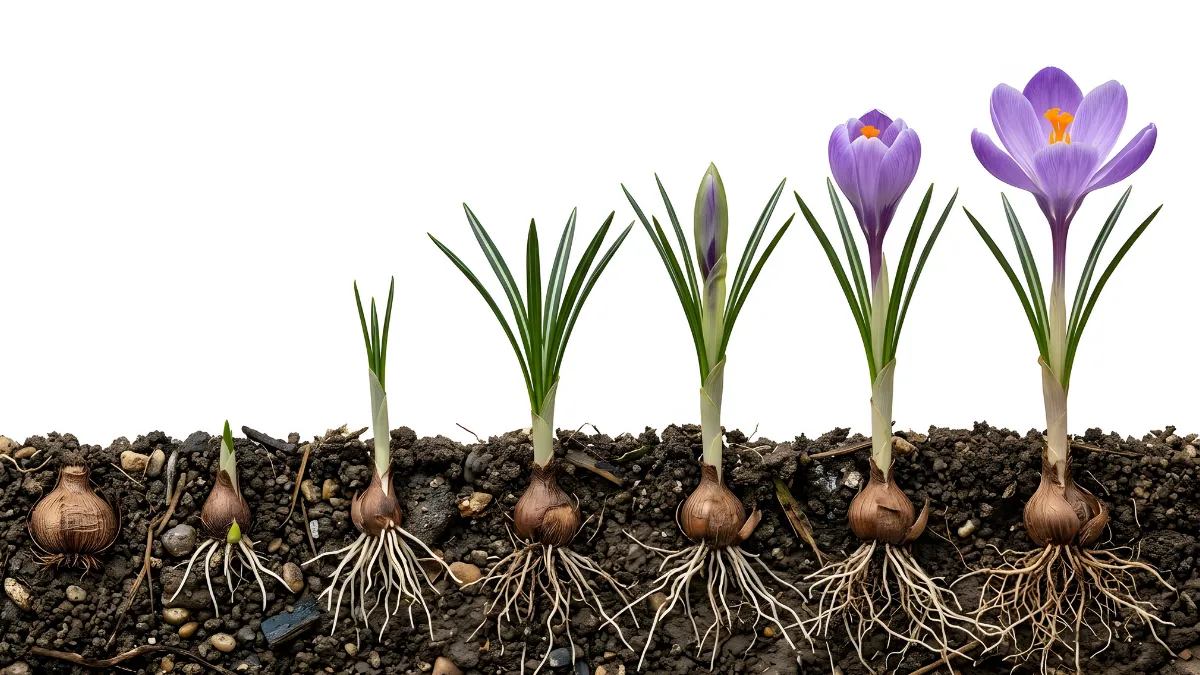
Every gardener has been there. You plant a few bulbs, the flowers come up and look wonderful for a few weeks, and then they fade after some times. The leaves turn yellow, the pot looks sad, and you wonder if it is time to throw everything away. Please don’t. That tired-looking plant is doing something very important under the soil.
If you have been asking yourself how to make bulbs bloom every year, the answer is simpler than most people think. After flowering, it needs time to charge again. If you give it that time, and a little care, it will reward you with flowers next season, and the season after that.
In this blog, we will share simple, practical tips that work in our Indian weather, from hot summers to mild winters. Let’s start.
What Are Perennial Bulbs?
Perennial bulbs are plants that grow from a bulb, corm, tuber or rhizome and live for many years. They go through a cycle: grow, flower, rest, and then grow again. The rest period is the part most people ignore.
The best thing about the bulb is that there are many bulbs that come back every year, even in warm places. You only need to pick the right ones. Some like to stay in the ground. Some like to be dug up and kept dry. Some are happy in pots for years.
Best Perennial Flower Bulbs in India
India has very different climates, so not every bulb behaves the same way in Delhi, Pune, Kolkata or Shimla. Here are the most reliable perennial flower bulbs Indian gardeners can grow, and what each one needs.
Daffodil: If we talk about the Daffodils so daffodils love cool weather. In the hills they come back easily every year. If you want to plant these bulbs in plains so in the plains they often need chilling, so many gardeners lift the bulbs after flowering, rest them, and chill them again before planting in October or November.
Agapanthus: This is one of the easiest bulbs if you want a unique flowers. It forms thick clumps and gives round blue or white flower heads. The bulbs likes a sunny spot, regular water in the growing season.
Crinum Lily: Crinum is the most beautiful flower for Indian gardens. If we talk about the bulbs so The bulbs are big, the flowers are fragrant, and the plant can live for decades. The plants handles heat and monsoon rain very well. Plant the bulbs now and wait for the beautiful blooms.
Canna Lily: The Canna lily bulbs grows from thick rhizomes and spreads fast, also give a perfect look to your space. once flowering, cut the old stems down, feed the plant, and new shoots will come up. Every two or three years, divide the clump to keep it healthy.
Caladium: Caladium goes dormant when the weather turns cool. Caladium is a beautiful foliage plant that is known for its heart-shaped leaves with attractive patterns. If you want to give a bright look to your space, You can grow the caladium bulbs in stunning shades of green, white, pink, and red.
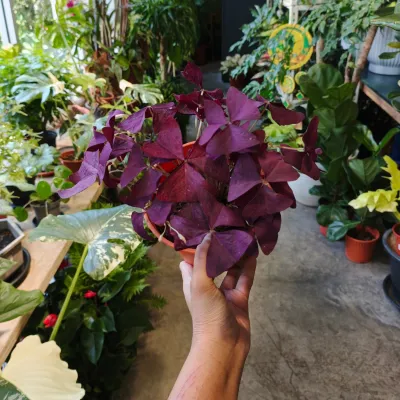
Oxalis: Oxalis, with its small clover-like leaves and pink or purple flowers, is very easy. It rests for some time each year and then comes back on its own. It does well in pots.
Gladiolus: Gladiolus grows from corms. It gives tall, showy flower spikes in winter and early spring in most of north India. The corms usually need to be dug up, dried and stored before the next planting.
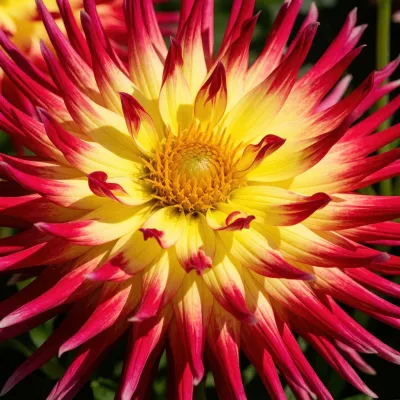
Dahlia: Dahlias grow from tubers. In the plains, the plant often rests in the hot months, and the tubers are best lifted and stored until the next season.
Lily (Lilium): Lilium looks so beautiful and give a beautiful look to your space. The bulbs love to grow in cool roots, good drainage and a bit of afternoon shade. In pots, they can bloom again if you care for the bulb after the flowers are gone.
Rain Lily (Zephyranthes): Rain lilies are almost no-work plants. They bloom in the monsoon, often just after the first heavy showers, and they multiply quickly. They are among the best bulbs that come back every year for beginners.
What to Do with Flower Bulbs After They Bloom?
- Remove faded flowers
- Keep green leaves
- Continue watering
- Feed the plant
- Wait until leaves turn yellow
Let the leaves die naturally. This is the real secret of how to rebloom flower bulbs.
How to Dry and Store Flower Bulbs?
Once the bulbs are out of the soil, they need a proper rest. Here is how to dry and store flower bulbs the easy way.
Step 1: Clean and check. Remove old roots and dry leaves. Throw away any bulb that is soft, mouldy or smells bad. Healthy bulbs feel firm, like a small onion.
Step 2: Cure them. Spread the bulbs in a single layer on newspaper or a wire tray, in a shaded, airy place. Do not keep them in direct sun because they will shrivel. Let them dry for 7 to 10 days. This is called curing.
Step 3: Dust them. A little sulphur powder or neem powder helps stop fungus. Keep it light.
Step 4: Pack them. Put the bulbs in paper bags, cardboard boxes or net bags. You can add dry coco peat or sawdust between them. Avoid plastic bags because they trap moisture and cause rot.
Step 5: Label them. Write the name and the date. After six months, you will not remember which is which.
Step 6: Store in a cool, dry, dark place. A shelf in a cupboard works well. Check the bulbs once a month and remove any that look bad.
How to Store Flower Bulbs After Blooming?
The steps above apply to most bulbs, but each type has its small needs. Knowing how to store flower bulbs after blooming for each type will save you from losing them.
Gladiolus corms: After they are dried, remove the old shrivelled corm at the bottom and keep the new plump one. Store in a paper bag in a cool, airy place.
Dahlia tubers: Keep them slightly drier than other bulbs but not bone dry. A little dry cocopeat in a box stops them from shrivelling. Make sure each tuber piece has a bit of the stem neck, since that is where new shoots come from.
Caladium tubers: These are sensitive to cold. Store them in a warm room, above about 15°C, in dry cocopeat or paper bags.
Daffodils and tulips: These need a special chilling period, which brings us to the next topic.
How to Store Tulip Bulbs for Next Year in India?
Tulips are tricky in most Indian cities because the winters are not cold enough for them to reflower properly. Still, many people want to try, and here is how to store tulip bulbs for next year, India-style:
- After the leaves go yellow, dig up the bulbs and dry them in shade for a week.
- Keep them in a paper bag with some dry cocopeat.
- Store them in a cool, dark, dry place through the hot summer, away from direct heat.
- In late September or early October, put the bag in the lower part of your refrigerator for 6 to 8 weeks. Keep them away from apples, bananas and other fruits. Ripening fruits release a gas that can damage the flower inside the bulb.
- Plant them in November in well-drained soil or pots.
Honestly, in the plains, tulips often flower well only once, and the next year’s flowers may be smaller. In hill areas like Kashmir, Himachal or Uttarakhand, they do much better. Treat the second bloom as a bonus.
How to Protect Flower Bulbs During Winter
Many people worry about overwintering flower bulbs, but in most of India, we do not have the harsh freezing winters that other countries have. Overwintering here is mostly about protecting bulbs from cold nights in the north and from too much moisture everywhere.
- In north India, cover the soil with a layer of dry leaves or straw mulch to protect Agapanthus, Crinum and Canna from frost.
- Reduce watering in winter for the bulbs that are resting. Wet, cold soil is the number one reason for bulb rot.
- Move pots to a sunny, sheltered corner such as a balcony wall or near the house.
- In the hills, bring pots indoors or under a covered area when snow or hard frost is expected.
These small steps are enough for winter flowering bulbs in India has to offer, like Gladiolus, Daffodil, Freesia and Hyacinth, to stay safe and healthy.
Simple Tips to Make Bulbs Rebloom:
If you want a quick checklist for how to make bulbs bloom every year, here it is:
- Give at least 5 to 6 hours of sunlight when the bulb is growing.
- Feed with a low-nitrogen, high-potash fertilizer after flowers fade.
- Do not remove green leaves too early.
- Let the bulbs rest at the right time and in the right way.
- Plant at the right depth, usually two to three times the height of the bulb.
- Divide crowded clumps every two to three years.
- Choose well-drained soil. Bulbs hate sitting in water.
Follow these and your bulbs that come back every year will really come back, often with more flowers than before.
Common Flower Bulb Care Mistakes
Even experienced gardeners make these errors, so keep an eye out:
- Cutting the leaves early. This starves the bulb.
- Overwatering during rest. Resting bulbs need very little water, and too much leads to rot.
- Storing in plastic. Always use paper or net.
- Storing damaged bulbs. One rotten bulb can spoil the whole batch.
- Planting too shallow or too deep. This weakens flowering.
- Forgetting to label. You will thank yourself later.
Why Buy Flower Bulbs Online from Upjau?
Looking to buy flowering bulbs for your garden? If you want to buy the healthy flower bulbs so go to the official website of Upjau, where you get Healthy bulbs because healthy bulbs are the first step to beautiful blooms every year. Buying flower bulbs online from Upjau saves your time and effort. You get quality bulbs, a wide variety, and easy home delivery. Start with strong, healthy bulbs, follow these care tips, and enjoy a colourful garden season after season.
Frequently Asked Questions:
1. How do you make bulbs bloom again next year?
Let leaves stay green after flowers fade, feed with potash fertilizer every two weeks, then let the bulb rest. Give good sunlight and well-drained soil.
2. What do you do with bulbs after they finish blooming?
Cut faded flowers, keep the leaves, as they feed the bulb. Water until the leaves dry, then leave hardy bulbs in soil or store the rest.
3. How do you store bulbs for the next season?
Dig up bulbs once leaves dry, discard soft ones, and dry the rest in shade. Pack in paper bags with cocopeat, keep cool, dry and dark.
4. Do bulbs come back every year in India?
Rain Lily, Crinum, Canna, Agapanthus and Oxalis return easily. Gladiolus and Dahlia return if stored well, while Daffodils and tulips struggle in plains.
5. Should I dig up bulbs after flowering?
Not always. Leave Crinum, Agapanthus, Canna and Rain Lily in soil. Dig up Gladiolus and Dahlia after leaves yellow, usually six to eight weeks post-flowering.
