Your cart is empty
Explore our collectionsCoupons
Order Summary
Total₹ 0

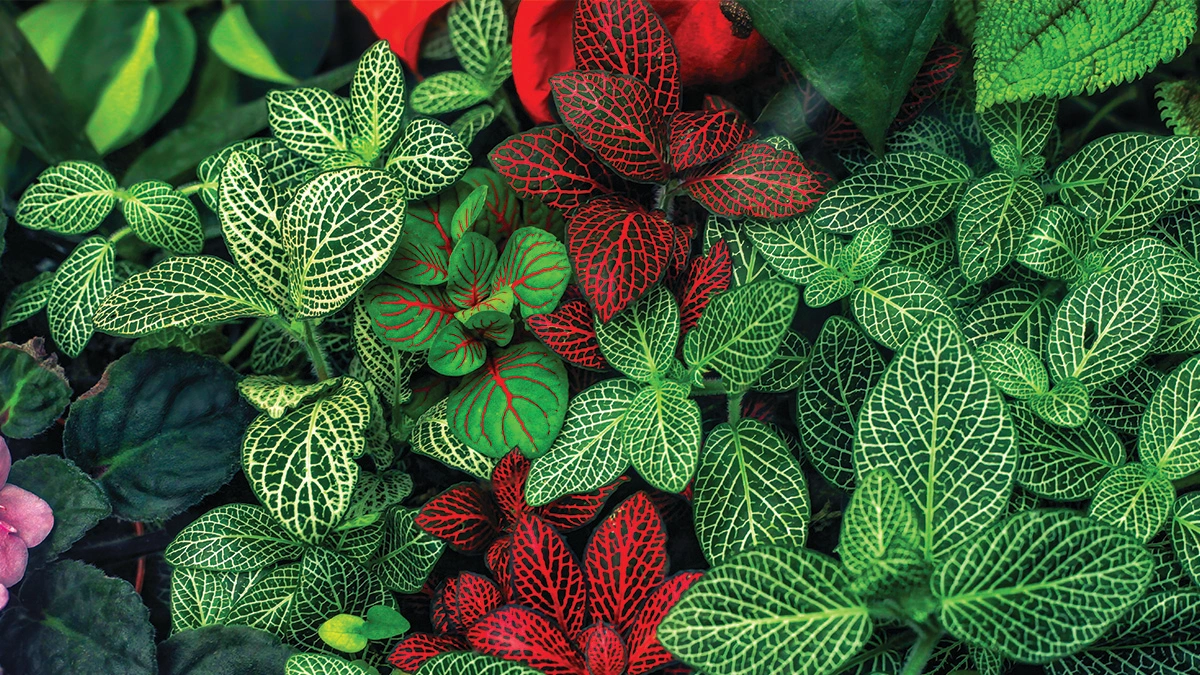
If you have picked up the stunner, nerve plant, mosaic plant, whatever you call it, this low-maintenance indoor plant will give you “tiny rainforest on your table” vibes. They practically look amazing with those wild vein patterns in leaves that come in pink, red, white, whatever color catches your eye.
And the best bit is, Fittonia is basically made for India. Steamy cities like Mumbai, Bengaluru, Chennai, or pretty much anywhere that makes your glasses fog up in June can provide ideal conditions for this plant.
Everyone’s been talking about Fittonia care in India, and people love them because Fittonia is surprisingly forgiving. Miss a watering once in a while and it usually bounces back quickly. This plant works beautifully in offices, study tables, bedrooms, bathrooms, and other indoor spaces.
Searching for a complete Fittonia indoor plant care guide? Hang in tight! We are covering everything from watering and sunlight to humidity, propagation, pruning, repotting, and common problems.
Buy Fittonia Nerve Plant sapling online in India – Add to cart !
• Fittonia is called the “Nerve Plant” because the leaves look like human veins.
• It is one of the best low-light indoor plants in India.
• The plant is famous for “dramatic fainting.” The leaves droop when thirsty but often recover quickly after watering.
• Fittonia naturally grows on rainforest floors where sunlight is filtered through trees.
• Humidity plays a major role in healthy growth.
• Pink-veined Fittonia varieties are among the most popular indoor plants in India.
• Fittonia plant care is beginner-friendly and suitable for small indoor spaces.
| Care Factor | Requirement |
|---|---|
| Soil | Well-draining, rich potting mix |
| Fittonia watering guide | Water when the topsoil feels slightly dry. Avoid letting soil stay completely dry for long periods |
| Fittonia light requirements | Bright indirect light. Avoid direct sunlight |
| Humidity | High humidity preferred |
| Temperature | 18°C to 30°C |
| Fertiliser | Liquid fertilizer during active growth |
| Pruning | Pinch growing tips for bushier growth |
| Repotting | Every 1–2 years if required |
| Common Pests | Mealybugs, fungus gnats, spider mites |
| Ideal Placement | Bathroom, office desk, bedroom, study table |
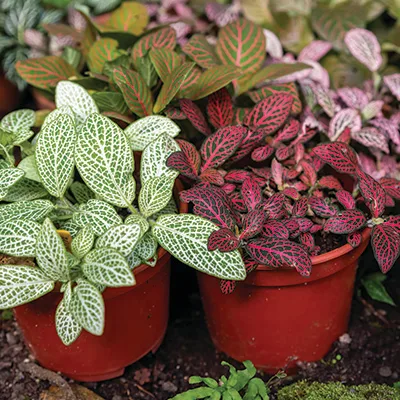
Grab a smaller pot with drainage holes. Plastic or ceramic containers work particularly well because they help retain moisture.
Avoid using garden soil alone. A mixture of:
• Cocopeat
• Garden soil
• Compost
• Perlite
works perfectly for Fittonia plant care.
Provide bright indirect light, maintain humidity, and water consistently. These simple steps are usually enough to keep your Fittonia healthy.
Humidity is one of the most important factors in successful Fittonia care in India.
Ideal humidity levels range between 50% and 70%.
Ways to increase humidity:
• Place the plant in a bathroom with natural light.
• Use a pebble tray filled with water.
• Group it with other indoor plants.
• Use a humidifier during dry weather.
• Mist occasionally during hot summer months.
If humidity drops too low, you may notice brown leaf edges or curling leaves.
Fittonia light requirements are simple.
• Bright indirect sunlight is ideal.
• Morning light is usually safe.
• Avoid harsh afternoon sun.
• Low-light rooms are tolerated, but growth may become slower.
Direct sunlight can scorch leaves and fade their vibrant colors.
Fittonia indoor plant care becomes easier when placed in the right location.
Best spots:
• Study table
• Office desk
• Bedroom
• Bathroom with filtered light
• Terrariums
Avoid:
• South-facing windows with strong sunlight
• Hot balconies
• Areas directly under harsh afternoon sun
Proper watering is one of the most important aspects of Nerve Plant care.
• Water when the topsoil feels slightly dry.
• Keep soil evenly moist but never soggy.
• Avoid letting the soil dry out completely.
• Empty excess water from trays.
The famous “drooping” behavior is usually the plant’s way of asking for water.
Feed the plant during active growth using:
• Balanced liquid fertilizer
• Seaweed fertilizer
• Vermicompost tea
Apply once every 3–4 weeks during spring and summer.
Avoid excessive fertilization, as it can weaken the plant and reduce leaf quality.
Regular pruning helps maintain a fuller and bushier plant.
• Pinch growing tips regularly.
• Remove yellow leaves.
• Cut back leggy stems.
• Trim weak growth to encourage branching.
Pruning is a simple but effective part of Fittonia plant care.
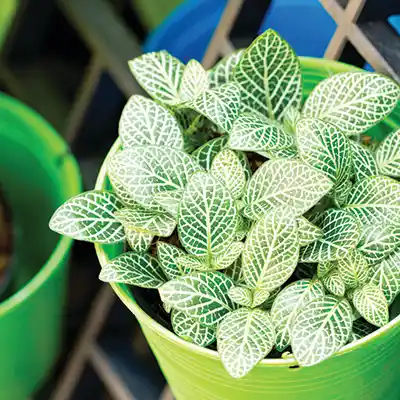
Fittonia propagation is easy and beginner-friendly.
• Select a healthy stem cutting.
• Place it in water or moist soil.
• Keep humidity levels high.
• Roots usually appear within a few weeks.
Once roots develop, transplant the cutting into a small pot with fresh potting mix.
Fittonia repotting is generally required every 1–2 years.
Repot when:
• Roots start emerging from drainage holes.
• Growth slows significantly.
• Soil quality declines.
Choose a new pot only one size larger than the current container and refresh the potting mix.
Technically, Fittonia does flower.
Small white or pale-yellow flowers may appear occasionally, although most gardeners grow this plant for its colorful foliage rather than its blooms.
If you want flowering:
• Maintain warmth.
• Provide adequate humidity.
• Feed lightly during active growth.
Many growers remove flower spikes so the plant can focus its energy on leaf growth.
Indian summers can be challenging for Fittonia.
• Water more frequently.
• Increase humidity.
• Move away from hot windows.
• Avoid strong afternoon sunlight.
During winter:
• Reduce watering slightly.
• Continue providing bright indirect light.
• Maintain moderate humidity indoors.
| Problem | Cause | Easy Solution |
| Leaves curling | Low humidity or underwatering | Increase humidity and water consistently |
| Yellow leaves | Overwatering | Reduce watering and improve drainage |
| Drooping plant | Underwatering | Water immediately |
| Brown leaf edges | Dry air | Increase humidity |
| Leggy growth | Insufficient light | Move to a brighter location |
| Pest attacks | Poor airflow | Use neem oil spray weekly |
| Root rot | Excess watering | Repot into fresh well-draining soil |
Healthy plants establish faster, adapt better to indoor environments, and experience less transplant stress.
Benefits of choosing quality plants:
• Stronger root systems
• Better growth rates
• Lower risk of pests and diseases
• Easier long-term maintenance
At Upjau, the best site to buy plants online in India, we provide healthy nursery-grown Fittonias suitable for Indian growing conditions, along with practical guidance to help beginners and experienced plant lovers succeed.
Fittonia is beginner-friendly, low-maintenance, and adds vibrant color to indoor spaces with very little effort. Whether you place it on a desk, study table, bedroom shelf, or bathroom corner, this attractive Nerve Plant can thrive in Indian homes with proper care.
By following the right Fittonia care tips—maintaining humidity, providing bright indirect light, watering consistently, and pruning occasionally—you can enjoy healthy growth and beautiful foliage throughout the year. If you’re looking for a stylish indoor plant that delivers maximum visual impact without demanding constant attention, Fittonia is an excellent choice.
Place it in bright indirect light, maintain good humidity, and water before the soil becomes completely dry.
Fittonia tolerates low-light conditions better than many houseplants, although brighter indirect light supports healthier growth.
Curling leaves are commonly caused by low humidity, underwatering, or excessive heat.
Fittonia is generally considered non-toxic to cats and dogs, making it a popular indoor plant choice for pet owners.