

Every year, a few days before Diwali, nursery gets crowded in a way you don’t see the rest of the year. People queue up for marigolds, Tulsi saplings and small green pots they’d never think of buying in August. That’s the pull of Dhanteras plants. In 2026, Dhanteras falls on 6 November, with Diwali following on 8 November, and a lot of families are already planning what to bring home.
This blog covers auspicious plants for Dhanteras, why each one is respected, how to use it for Dhanteras pooja at home, and where to place it. First, a little background on the festival itself.
The Story Behind Dhanteras: Why Do We Celebrate It?
Dhanteras, also called Dhanatrayodashi, falls on the thirteenth day (Trayodashi) of the dark fortnight of Kartik. It opens the five-day Diwali celebrations, and there are two popular stories about it.
The first comes from the Samudra Manthan, the churning of the cosmic ocean by gods and demons. Among the treasures that emerged was Lord Dhanvantari, the divine physician, carrying a pot of amrit. That is why Dhanteras is linked with health as much as wealth. Many people pray to Dhanvantari first and to Lakshmi after.
The second story is about a young prince whose horoscope said he would die by snakebite on the fourth day after his wedding. His new wife refused to sleep that night. She piled her gold and silver ornaments at the door and lit lamps all around. When Yama, the god of death, arrived disguised as a snake, the glitter dazzled him. He sat listening to her songs and stories until morning, then left without taking the prince. This is why people light a diya for Yama on Dhanteras evening, a practice called Yamadeepdan.
Why Should You Bring Home a Plant This Dhanteras?
Traditionally, Dhanteras is a day to buy something new: gold, silver, utensils, a broom. But a lot of families now prefer eco-friendly Dhanteras ideas. A plant doesn’t tarnish, doesn’t get lost, and keeps growing long after the festival. It’s also a good answer to the question of which plants are auspicious to bring home on Dhanteras. Here are the ones most people choose.
1. Tulsi: A Sacred Plant Associated with Prosperity
If you want to bring sacred plant at home, Tulsi is a traditional choice. Peoples believes Tulsi plant is a living form of Goddess Lakshmi, that’s the reason why the Tulsi plant for Dhanteras pooja is the most traditional choice. Many people keep this plant in the courtyard or on the balcony and light a ghee diya near it every evening because it bring positivity at home
Tulsi is also one of the best plants for Lakshmi puja, since leaves are offered to Lord Vishnu and Lakshmi together. A small caution: don’t pluck leaves at night, on Sundays or on Ekadashi.
2. Shami Plant: A Symbol of Strength and Victory
Shami is not as flashy as the others, but it is one of the most sacred plants for home in Hindu tradition. The Pandavas are said to have hidden their weapons in a Shami tree during their exile. It’s associated with Lord Shani and with victory, and people worship it on Dussehra too.
Some families place a Shami sapling near the entrance or in the garden and light a mustard-oil diya under it on Dhanteras evening. It’s believed to this plant remove the negativity and bring steady, protected growth rather than sudden luck.
3. Money Plant: A Popular Choice for Prosperity
You’ve probably seen one on someone’s windowsill. Money plants for prosperity are among the easiest to grow because they survive in a glass of water and still look cheerful. This is belief that the plant’s wealth grows as the vine grows, so train it upward rather than letting it trail on the floor.
For money plant placement on Dhanteras, tie a small red thread around the pot or glass, set it in the south-east corner, and offer a little water with a diya nearby. Never let leaves go yellow or dry.
4. Aparajita: The Beautiful Flower of Victory
Aparajita (butterfly pea) means “the undefeated,” and it’s closely tied to Goddess Durga and Lord Vishnu. Its deep blue flowers are used in pooja, and the plant is also used in herbal tea. People include it among Vastu plants that bring positivity and protection.
On Dhanteras, offer Aparajita flowers to Lakshmi or Vishnu in your pooja. It’s an easy climber, so it works well on a balcony grill or near the north-east side of the house.
5. Jade Plant: Why Is It Called the Kuber Plant?
This is the one many people mean when they say Kuber plant. The jade plant for Dhanteras is hugely popular, and a lot of Crassula plant Dhanteras Kuber searches come from people looking for exactly this. Its thick, coin-shaped leaves symbolise wealth, and Kuber is the treasurer of the gods, so it’s seen as a wealth plant under Vastu.
It’s low maintenance, which makes it a lucky plant for home even if you travel a lot. Place it near the entrance or in the north or south-east, where it gets bright light.
6. Hibiscus: A Bright and Auspicious Flower for Pooja
Hibiscus, or Gudhal, is a favorite offering for Goddess Kali and Lord Ganesha. The deep red color is associated with energy and auspiciousness and very holy flowers for the festivals. For Dhanteras pooja, a few fresh flowers on the altar look beautiful and cost almost nothing if you have the plant at home.
7. Peace Lily: Bring Calm and Freshness to Your Home
Peace Lily isn’t a traditional pooja plant but it’s a lovely plant for home that purifies indoor air and brings a sense of calm. After the noise of Diwali week, that’s no small thing. It grows best in low light, so a shaded living room corner works. Many people also give it as a Diwali gift because the white blooms look elegant and need little care.
8. Money Tree: A Green Gift for Good Fortune
The money tree (Pachira) has a braided trunk and glossy leaves that looks so attractive and give a extraordinary beauty to your home. It comes more from Feng Shui than from Hindu tradition, but it has become a popular Diwali green gift and fits many modern Dhanteras home decor ideas.
9. Lotus: The Sacred Flower of Goddess Lakshmi
If we talk about the favorite flower for Goddess laxmi so lotus is perfect. She is shown seated on one, holding one, and the flower grows in mud yet stays clean, which is why it stands for purity and wealth earned the right way. A lotus plant for Lakshmi pooja at home can be grown in a wide tub or bowl of water on a balcony. If that’s not possible, buy a few fresh lotus flowers for the altar.
10. Marigold: Add Festive Colour to Your Dhanteras Decor
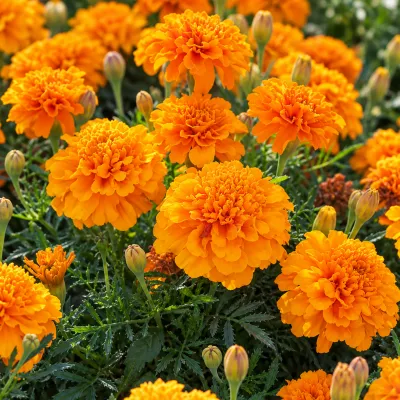
Marigold, or genda, is the most using flower for Diwali. flowers Torans made from marigold plant for Dhanteras decoration that is hang over doors, and petals fill rangolis. Its bright orange and yellow are linked with the sun and with auspiciousness. For pooja, string a fresh garland and put it around the Lakshmi–Ganesh idol. You can also buy small potted marigolds and line them along the entrance, which looks lovely and lasts longer than cut flowers.
If you are looking the lucky plants for your home so these are the Best Plants to Keep in Pooja Room and home for Dhanteras.
Where Should You Place These Plants? Vastu Directions to Know
Here’s a handy summary of the Vastu direction for plants on Dhanteras:
- Tulsi: north, north-east or east
- Shami: outside the house, near the main door or entrance
- Money plant: south-east
- Aparajita: north-east or east, on a balcony grill or near the entrance
- Jade plant: north or south-east, near the entrance
- Hibiscus: east, in a spot with good sunlight
- Peace Lily: north-east or east, in a shaded corner of the living room
- Money tree: east or south-east of the living room
- Lotus: a water bowl in the north-east
- Marigold: east, near the entrance, with plenty of sun
Don’t stress about exact compass readings. A healthy plant in a clean, bright spot beats a perfectly placed one that’s wilting.
Dhanteras Pooja at Home: Simple Steps to Follow
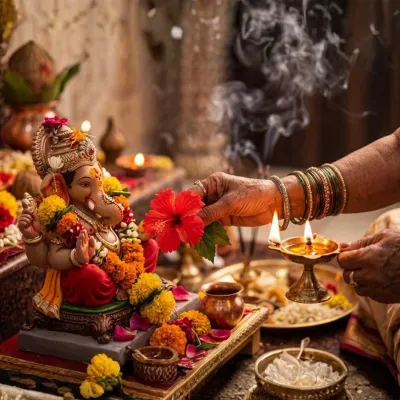
- Light a diya and incense, then take a sankalp to perform the puja with devotion.
- Worship Ganesha first Offer roli, Akshat (rice), flowers and a little sweet.
- Pray to Lord Dhanvantari for good health.
- Worship Lakshmi and Kuber Offer kumkum, flowers (lotus and marigold are ideal), sweets, fruits, batasha and coriander seeds.
- Do aarti with a ghee diya, ring the bell and share the prasad.
How to Include the Plants in Dhanteras Pooja
If you’ve brought plants home, include them in the evening routine:
- Tulsi: offer water, a diya and a parikrama (walk around it three times).
- Money plant, jade plant and others: tie a red thread or place a small tilak, and keep a diya nearby.
- Marigold and hibiscus: use the fresh flowers for the idols and the toran.
Welcome Prosperity with Plants That Keep Growing
You don’t need to buy all ten. One or two well-chosen Diwali plants, looked after properly, will do more for your home than a cartload of decorations that end up in the bin by Bhai Dooj. Pick what suits your space and routine, and let this year’s Dhanteras 2026 plants be the ones still growing next Diwali. If you are looking for the best online plant nursery so go to the official website of Upjau and order them from a trusted online plant nursery a few days early, so your Tulsi, money plant or jade plant arrives healthy and settled before the pooja.
The Diwali sale is live on Upjau! Get a free bulb on orders above ₹999 (code FREEBULB) and 5% off on orders above ₹2,499 (code DIWALI, on saplings) on our Diwali Sale.
Wishing you a happy, healthy and green Dhanteras!
Frequently Asked Questions:
- Which plants are auspicious to bring home on Dhanteras?
Tulsi, money plant, jade plant, Shami, marigold and lotus are the most popular choices. Many families also bring hibiscus and Aparajita for pooja offerings.
- Is it auspicious to buy plants on Dhanteras?
Yes. Dhanteras is a day for buying something new, and a plant is a lasting, eco-friendly choice. Just pick a healthy one and look after it well.
- Which plant is dear to Goddess Lakshmi?
Tulsi is seen as a living form of Lakshmi, and the lotus is her seat. Both are used in Lakshmi puja.
- Which plant is associated with Kuber?
The jade plant (Crassula), often called the Kuber plant. Its coin-shaped leaves stand for wealth, and Kuber is the treasurer of the gods.
- What plants should be in the pooja room?
You can keep a small Tulsi, a money plant in a glass bottle, and fresh marigold or hibiscus flowers. Make sure everything is green and tidy, never dry.
