Your cart is empty
Explore our collectionsCoupons
Order Summary
Total₹ 0

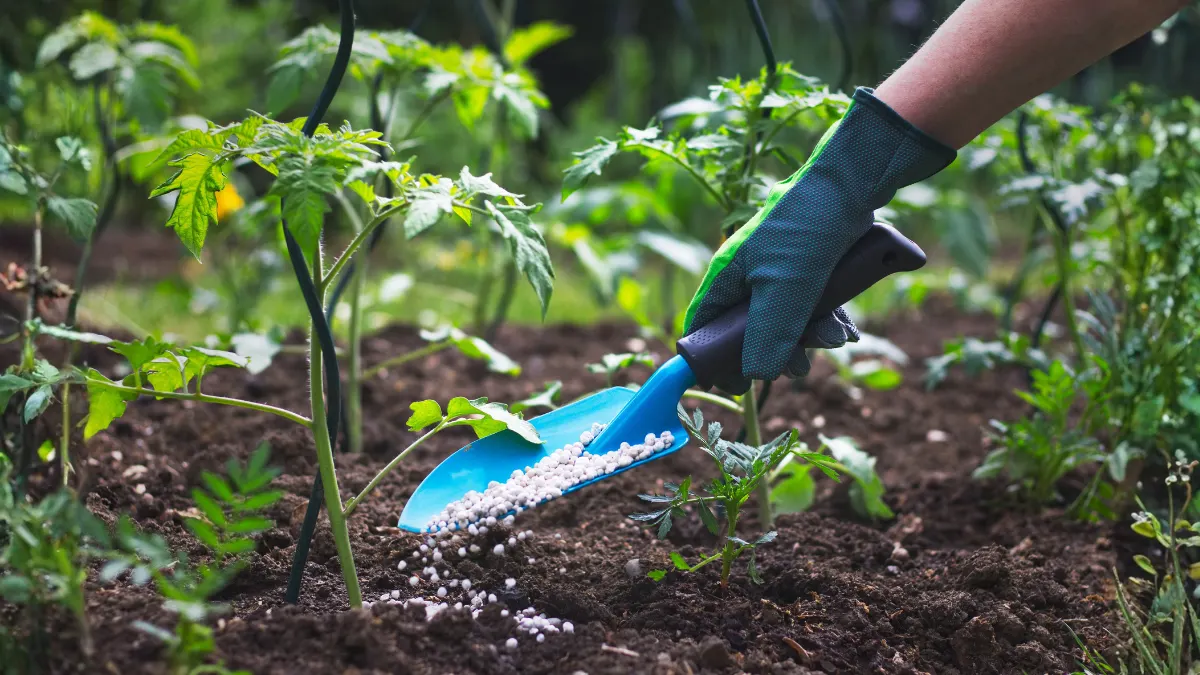
Fertilizers play an important role in the growth of plants. From the little plant to the fully grown plant, fertilizers play a key role that shouldn’t be ignored. Unfortunately, there aren’t always accurate descriptions of what specific fertilizers do for your plant, meaning if you’re not well-versed in the way they work, you might end up getting a little too confused!
There are different kinds of fertilizers that you can choose from depending on what stage of life your plant is at and what it needs. There are also stark differences between chemical and natural fertilizers for plants. While you can always make use of chemical fertilizers, we recommend trying to take a more organic route!
In this post, we’ll talk about how organic fertilizers for plants tend to be much safer, work better in the long run, and what these fertilizers are and how they are different.
Organic fertilizer is made from natural things like animal manure, compost, dead plants, or waste material. Nowadays, people prefer organic fertilizer for their plants’ growth. Fertilizer is the food for plants’ growth. A comparison of chemical fertilizers: it gives quick results; organic fertilizer works naturally. It also improves the quality of the soil and the growth of the plant.
Improved Soil Fertility: One of the biggest advantages of organic fertilizer is this is being so many benefits for the soil. Organic fertilizer’s biggest edge isn’t what it does for the plant; it’s what it does for the soil. Chemical fertilizers just feed the plant directly, and over time that can actually wear the soil down. Organic fertilizer works differently.
Enhanced Water Retention: The Organic matter improves the structure of the soil and keeps it moist longer. Best for those people who are busy in their lifestyle and want to keep greenery in their home for happiness.
Organic Fertilizers Support Biodiversity: Healthy soil isn’t just about nutrients — it’s alive. Organic fertilizers help to encourage earthworms, beneficial bacteria, and fungi. According to the Organic Trade Association, organic fertilizer also increases species biodiversity compared with synthetic fertilizer.
Prevents Root Burn:
Some synthetic fertilizers can cause plant damage to leaves and roots. This is less likely with organic fertilizers.
Healthier Plants: The plant which is grown with organic nutrition are stronger, more resistant to pests, and produce better-quality fruits and vegetables.
| Organic Fertilizer | What It’s Good For | Best Season/Use |
| Cow Dung Manure for Plants | Overall soil enrichment, slow-release nutrition | Any season, ideal for base soil prep |
| Vermicompost | Rich in nutrients, improves soil texture | Year-round, great for potted plants |
| Bone Meal Fertilizer | Boosts root and flower development | Best during flowering/fruiting stage |
| Sarso Khali (Mustard Cake) | Natural pest repellent, nutrient booster | Use with care in warm weather |
| Organic Compost | General purpose, improves soil structure | Any season |
| Liquid Seaweed Fertilizer | Quick nutrient absorption | Any season |
| Plant Food Organic Fertilizer | Ready-to-use, balanced nutrition | Any season, convenient for busy people |
Cow Dung Manure for Plants: This is the most traditional and trusted organic fertilizer that is used across Indian households and farms. The cow manure releases nutrients and also helps the plant’s growth.
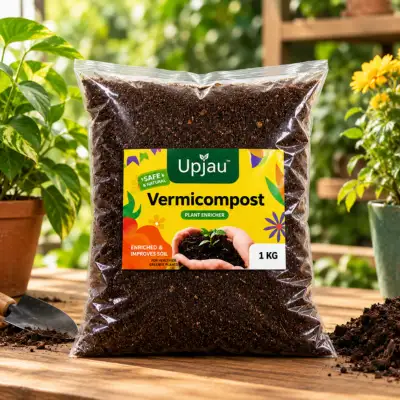
Vermicompost: Made using earthworms that break down organic waste, vermicompost is one of the best organic fertilizer alternatives and works beautifully for both farms and home gardens.
Bone Meal Fertilizer: This is a slow-release fertilizer rich in phosphorus and calcium, mainly used to support strong root systems and better flowering.
Sarso khali – Sarso khali, or mustard oil cake, is a popular organic fertilizer, but there’s a catch worth remembering — it’s mainly used in winters because it tends to generate heat as it decomposes. If you use it during summer, that heat can actually end up burning your plant instead of helping it. So timing really matters with this one.
Organic Compost: Compost is simply decomposed kitchen and garden waste, and it’s one of the easiest ways to start using natural fertilizer even if you’re a complete beginner. Organic fertilizer for plants is best for the good growth of the plant.
Liquid Seaweed Fertilizer: Seaweed liquid and granules fertilizer are natural for plant growth. It helps the roots grow strong, and also, these fertilizers help to improve soil health. It is beneficial for houseplants, and if you want to do container gardening.
Plant Food Organic Fertilizer: Plant Food Organic Fertilizer is one of the best fertilizers for the healthy growth of the plant. This organic liquid fertilizer allows roots to absorb it fast.
Even though this post is mostly about going organic, it helps to understand a few common chemical fertilizers, since many people still use a combination of both:
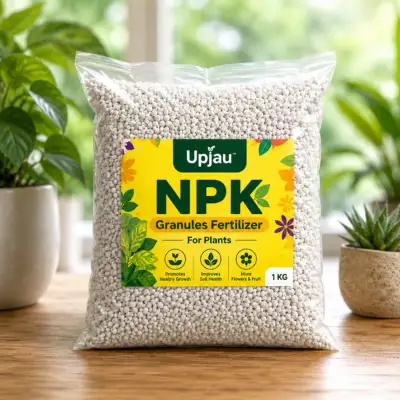
While these chemical options do give quick results, they don’t really build long-term soil health the way organic options do, which is why most experts suggest using them sparingly, if at all.
Here are the benefits of organic fertilizer for anyone thinking of making the switch:
| Aspect | Organic Fertilizer | Chemical Fertilizer |
| Speed of results | Slower, works gradually | Fast, visible results quickly |
| Application | Needs more quantity, less precise | Usually readily available |
| Soil health | Improves soil over time | Can degrade soil quality with overuse |
| Plant roots | Gentle, low risk of damage | Can harm roots if overused |
| Long-term impact | Builds a healthier, lasting foundation | Needs repeated use to maintain results |
| Sustainability | Sustainable for the long run | Less sustainable over time |
| Best suited for | Home gardeners, small farms wanting long-term soil health | Situations needing quick fixes |
So when people ask if organic fertilizer is better than chemical fertilizer, it really comes down to your goal — quick results versus long-term soil health. For most home gardeners and small farms, organic wins simply because it’s sustainable.
Organic fertilizer offers a simple and effective way to achieve healthy garden goals. Plants grow stronger, leaves turn greener, and flowers bloom brighter. If you want ready-to-use organic compost, you can also explore quality options to buy organic fertilizer from Upjau, an online plant nursery in India, they offer everything from compost to ready-to-use liquid fertilizers delivered straight to your door. The organic fertilizer helps enrich the soil naturally and supports strong, healthy plant growth.
Start improving your soil today with Organic fertilizer. Feed your garden naturally and watch every plant grow with strength and vitality.
Yes, organic fertilizer usually works slowly. It releases nutrients gradually and improves soil health over time.
Yes, you can use organic fertilizer for all plants. However, the type and amount should be chosen according to the plant’s needs.
Compost, vermicompost, cow dung manure, bone meal, and seaweed fertilizer are natural options that provide nutrients to plants.
Fertilizers with nitrogen can support faster leaf and stem growth. However, using the right fertilizer in the correct amount is important for healthy growth.