
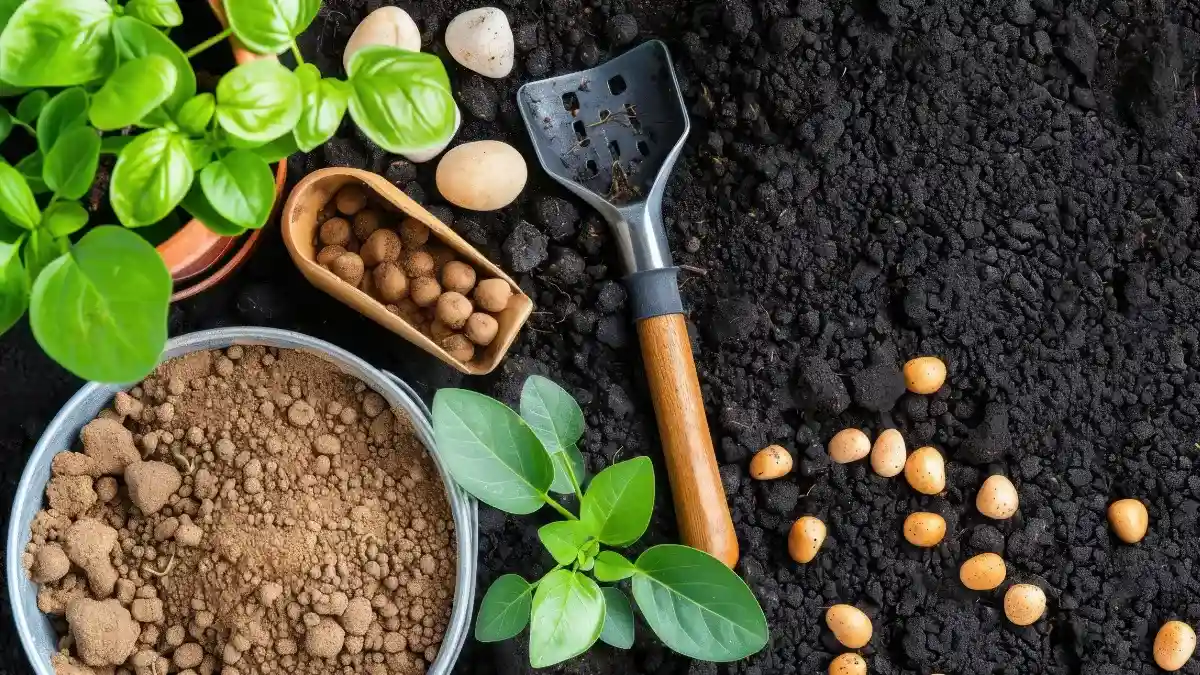
If you’ve ever wondered why your tomatoes look sad, or your chillies refuse to grow despite regular watering, the answer almost always lies underground. Soil preparation for vegetables is the most important step if you want to do gardening, more important than seeds, more important than fertilizers. If you get the soil right, everything in gardening becomes easier.
In this guide, we’ll talk about everything about soil and how to prepare soil for vegetable garden success, whether you’re growing in the ground, pots, grow bags, or a terrace setup.
Why Soil Preparation Matters
Vegetables need heavy feeding to grow healthily – unlike ornamental plants, they need consistent nutrition, good drainage, and enough aeration for roots to breathe. The best soil for growing vegetables at home isn’t something you find readily; it’s something you build. In most Indian cities, native soil is either too clayey or too sandy. That’s why a proper soil mix for a vegetable garden is essential rather than optional.
Step 1: Test Your Existing Soil
Before adding anything, understand what you’re working with. Here’s a simple way on how to test soil at home for gardening without spending money on kits:
The Jar Test: Take a transparent bottle, fill the third part of bottle with garden soil, add water till it’s three-quarters full, shake well, and let it be settle overnight, after that, you’ll see layers – sand at the bottom, silt in the middle, and clay on top. This tells you your soil’s texture and helps you decide what amendments you need.
The pH Check: Most of the vegetables prefer a pH between 6.0 and 7.0. so if you want to check the pH so You can use a basic soil pH strip or even a simple vinegar-baking soda test at home. after that If soil fizzes with vinegar, it’s alkaline; if it fizzes with baking soda mixed in water, it’s acidic.
The Squeeze Test: For this test, Take little moist soil and squeeze it in your fist. Its Forms a tight, shiny ball that does not break: Your soil contains too much clay. It can compact inside pots and restrict airflow to the roots. Falls apart immediately: Your soil is too sandy. It may drain water too quickly and struggle to retain nutrients.
Step 2: Understand What Makes Soil “Loamy“
Every gardener wants for loamy soil because it strikes the perfect balance. If you’re wondering how to make soil loamy for vegetables, the trick is combining three elements in the right proportion:
Sand – for drainage
Silt/Clay – for nutrient retention
Organic matter – for fertility and structure
Loamy soil holds moisture for long time without waterlogging, and allows roots to spread easily. You rarely find this naturally, so soil preparation for vegetables essentially means engineering your own loam using easily available materials. This is also the foundation of proper how to prepare soil before growing vegetables at home practices that experienced gardeners swear by.
Step 3: The Ideal Soil Mix Ratio for Vegetables in Containers
Since most of the gardeners in India grow in pots, grow bags, or raised beds rather than open ground, here’s a recipe of soil mix for vegetables in containers that works well across most climates:
- 40% Garden soil (or red soil/black cotton soil)
- 30% Cocopeat (for moisture retention and aeration)
- 20% Compost or Vermicompost (for nutrition)
- 10% Sand or Perlite (for drainage)
This vegetable garden soil mix formula in India is popular because all ingredients for this soil are locally available, affordable, and organic. For terrace and balcony gardeners, this mix is lightweight compared to pure garden soil, which is a big plus when you’re placing pots on terraces with weight restrictions.
Cocopeat, Vermicompost, and the Perfect Balance
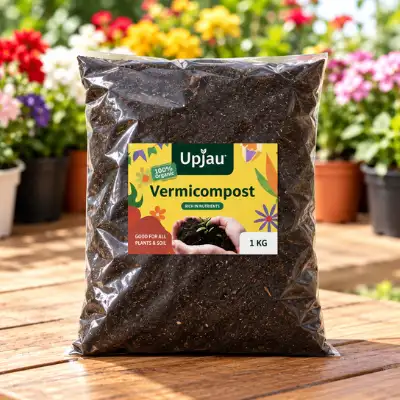
Let’s talk specifically about the cocopeat soil mix for vegetables, since this combination has become the backbone of Indian container gardening.
Cocopeat is a coconut husk byproduct that retains water and also stays light and airy — perfect for pots and grow bags. A reliable garden soil cocopeat vermicompost ratio is:
- 1part garden soil
- 1 part cocopeat (pre-soaked and fluffed before use)
- 1 part vermicompost
This combination of soil is perfect for vegetables. For heavier feeders like tomatoes, you can slightly increase the Vermicompost portion.
Soil for Different Growing Setups
Soil for Terrace Vegetable Garden
As we all know, terrace gardens face intense sun, wind, and heat, so soil for a terrace vegetable garden needs excellent water retention. So, if you want to do terrace gardening and don’t know about the soil, what you have to do is mix garden soil, cocopeat, compost, and a handful of neem cake in equal parts. Adding a layer of mulch on top helps reduce water evaporation significantly, which matters a lot in Indian summers.
Soil for Vegetables in Pots
If you have no more space and want to grow vegetables in pots, soil for vegetables in pots, drainage becomes non-negotiable. Always ensure your pots have drainage holes and add a layer of broken bricks or pebbles at the bottom. The soil mix should be lighter than ground soil — more cocopeat and compost, less raw garden soil.
Soil for Grow Bags Vegetables
Grow bags have become extremely popular in Indian balconies. Soil for growing vegetables in grow bags should be even more porous since grow bags don’t have rigid structure like pots. A mix of 40% cocopeat, 30% compost, 20% garden soil, and 10% sand works well, as it prevents the bag from becoming too heavy or waterlogged.
Soil for Raised Bed Vegetable Garden
If you have no more space and want to grow vegetables in pots, soil for vegetables in pots, drainage becomes non-negotiable. Always ensure your pots have drainage holes and add a layer of broken bricks or pebbles at the bottom. The soil mix should be lighter than ground soil — more cocopeat and compost, less raw garden soil.
Making Your Own Potting Mix for a Vegetable Garden
You don’t need to buy expensive imported potting mixes. A homemade potting mix for a vegetable garden using Indian ingredients works just as well:
- Sieve garden soil to remove stones and debris
- Mix in Cocopeat (soaked and squeezed of excess water)
- Add well-rotted vermicompost or cow dung manure
- Add a handful of neem cake for pest protection
- Optionally, mix in rice husk ash or sand for drainage
This basic best potting mix for vegetable plants in India formula can be adjusted based on what vegetable you’re growing – root vegetables like carrots and radish need looser, sandier soil, while leafy greens do well in more compost-heavy mixes.
Neem Cake: The Unsung Hero
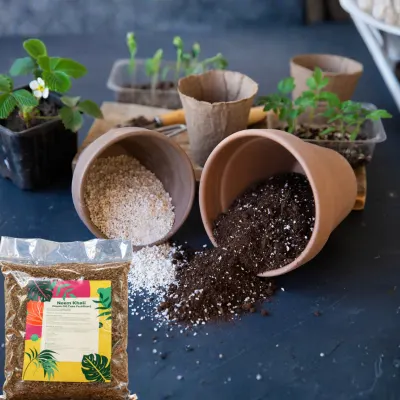
Neem cake for vegetable soil is one of the most underrated additions in Indian gardening. It’s a natural product of neem oil extraction and works as both a slow-release organic fertilizer and a natural pest repellent. Mixing a small quantity of neem cake into your soil before planting helps ward off soil-borne pests like nematodes and grubs, while slowly releasing nitrogen as it decomposes. It’s cheap, widely available, and completely organic – making it a staple in soil preparation for kitchen garden India setups.
Best Soil for Tomatoes and Chillies in Pots
Tomatoes and chillies are the most commonly grown vegetables, these vegetables find almost every home garden and they have specific soil needs. You can prepare a soil mix by using these ingredients, and the best soil for tomatoes and chillies in pots should be slightly acidic to neutral, rich in organic matter, and well-draining.
- 40% garden soil
- 30% compost
- 20% cocopeat
- 10% sand
Add a spoon of bone meal for phosphorus; it gives excellent results for fruiting vegetables.
How to Improve Soil for a Vegetable Garden Naturally?
Here’s how to improve soil for a vegetable garden naturally over time:
Add compost regularly – every 3-4 weeks during the growing season
Practice crop rotation – avoid growing the same vegetable family in the same soil repeatedly
Use mulch – retains moisture and slowly breaks down to add organic matter
Add earthworms or vermicompost – improves soil structure and aeration naturally
Avoid chemical fertilizers – they can degrade soil life over time; organic alternatives build soil health
Soil Care for Vegetables in Monsoon India
Monsoon brings its own soil challenges. Excess rain can waterlog pots and beds, leading to root rot. For soil care for vegetables in monsoon India, ensure drainage holes are never blocked, raise pots slightly off the ground using bricks or pot feet, and avoid overwatering manually since rain does the job. Adding extra sand or perlite to your mix before monsoon season helps prevent waterlogging significantly.
Get Your Garden Soil Ready for Growing Vegetables
Preparing soil for vegetables isn’t a task and so easy – it’s an ongoing relationship between you and your garden if you are a garden lover. If you’re working with containers on a balcony or a proper raised bed, the principles remain the same: test your soil, balance drainage with moisture retention, feed it with organic matter, and refresh it seasonally. Once your soil is right, growing healthy tomatoes, chillies, and leafy greens at home becomes far less complicated – and far more rewarding.
Frequently Asked Questions:
- How much cocopeat and vermicompost for vegetable soil?
For a simple potting mix, you can use 40% garden soil, 30% cocopeat, and 30% vermicompost. This gives vegetables good drainage, moisture, and nutrients.
- Is garden soil good enough for growing vegetables?
Garden soil can be used, but it may be too heavy for containers. Mixing it with cocopeat, compost, or Vermicompost makes the soil lighter and better for vegetable growth.
- How often should I change soil for vegetables?
You don’t need to change the soil after every crop. Refresh it by adding compost or vermicompost between crops. Replace the soil when it becomes hard, poorly draining, or unhealthy.
- How do I know if my soil is healthy?
Healthy soil is loose, crumbly, and drains water well without drying out too quickly. It should also have a good amount of organic matter and support healthy plant growth.
- Which vegetables can I grow in basic soil without much preparation?
Easy vegetables like radish, spinach, fenugreek, coriander, lettuce, and green onions can grow well in basic soil with some compost and regular watering.
- Which mitti is good for growing vegetables at home?
A loose, fertile, and well-draining soil mix is best for home vegetables. Garden soil mixed with cocopeat and vermicompost works well for most vegetables.
