

Winter in North India brings cold mornings, fog, and dry air. For gardeners, it is also the most colourful season. This is the best time for winter flowering plants like petunia, pansy, marigold, dianthus, calendula, snapdragon, salvia, phlox, verbena, sweet pea, gazania, chrysanthemum, and many flowering plant. The same cold that makes these flowers bloom can also stress your other plants.
If you have noticed yellow leaves, falling leaves, or brown tips, you are not alone. These winter plant problems in India are very common, and most can be fixed with simple winter plant care tips. This guide covers the causes, the solutions, and the right products for each problem.
Best Winter Flowering Plants to Grow in Indian Gardens
- Petunia: non-stop colour in pots and hanging baskets
- Pansy and Viola: love cool weather and bloom heavily
- Marigold: tough, bright and beginner-friendly
- Dianthus: compact plants with fragrant flowers
- Calendula: cheerful orange and yellow blooms
- Snapdragon, Salvia, Phlox, Verbena: great for borders and pots
- Sweet Pea and Chrysanthemum: classic winter gardening favourites in India
These bloom well only if you protect them from pests, overwatering, and nutrient shortage.
Why Is Winter Challenging for Plants?
Plants in winter face low temperatures, short days, weak sunlight, and either dry indoor air or outdoor air in India. In winter, growth slows, so plants need less water. When plant care in the winter season stays the same as in summer, problems begin. Here are the common ones.
1. Why Are Plant Leaves Turning Yellow in Winter?
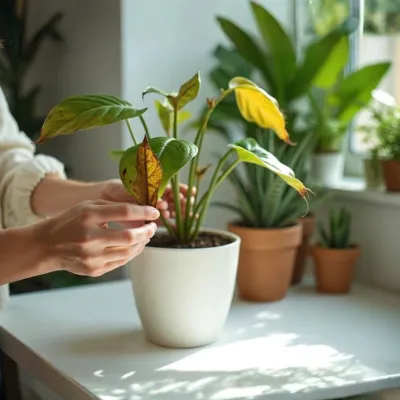
Why plants turn yellow in winter: overwatering, cold stress, low light and nutrient deficiency. Soil stays wet for days, roots cannot breathe, and the lower leaves yellow first.
Solution:
- Water only when the top 1-2 inches of soil are dry.
- Move pots to a spot with 4-5 hours of sunlight.
- Mix Cocopeat Soil Mixture and Perlite for Plants into the soil for drainage.
- Feed Seaweed Liquid Organic Plant Fertilizer every 15 days to restore leaf colour.
- Remove fully yellow leaves.
2. Why Do Plants Lose Leaves in Winter?
Why plants lose leaves in winter: sudden temperature changes, cold drafts, frost and overwatering. Hibiscus, ficus, bougainvillea and curry leaf drop leaves quickly.
Solution:
- Keep plants away from AC vents, open windows and cold corridors.
- Avoid repotting or heavy pruning in peak winter.
- Add a spoon of Vermicompost on the topsoil.
- Use a low dose of High Potassium/Potas Fertilizer for Plants to build cold tolerance.
- A few fallen leaves are normal. New growth returns in spring.
3. Why Are Leaf Tips Turning Brown in Winter?
Brown tips on leaves in winter are almost always linked to dry air problems for plants. Room heaters, geysers, and closed windows reduce moisture.
- Raise humidity for indoor plants in winter by grouping plants or using a pebble tray with water.
- Mist lightly in the morning, never at night.
- Flush the soil with clean water once a month to remove salts.
- Trim brown tips with clean scissors, following the natural leaf shape.
4. Overwatering Problems in Winter: Signs and Solutions
Overwatering in winter is the number one plant killer. Evaporation is slow, so soil stays soggy, causing yellow leaves, mushy stems and fungus.
Solution:
- Check the soil with your finger before watering.
- Water in the morning only.
- Use pots with drainage holes
- Add Cocopeat and Perlite so the soil does not compact.
5. Root Rot in Winter: Causes, Signs and Treatment
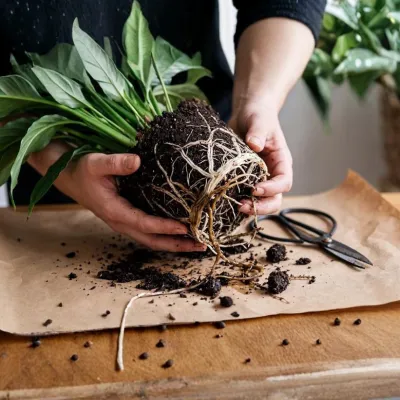
Root rot in winter plants shows as drooping leaves despite wet soil, a bad smell and black, soft roots.
Solution:
- Remove the plant and cut away all mushy roots.
- Dust the roots with fungicide powder.
- Repot in fresh cocopeat-perlite soil.
- Skip watering for 4-5 days, then water lightly.
- Add Bone Meal Fertilizer later to support new roots.
6. Fungus Gnats and White Mold on Soil: How to Get Rid of Them
Fungus gnats on indoor plants in winter are tiny black flies that breed in damp soil. White mold on soil in winter is a fluffy white layer on the topsoil, a sign of overwatering and poor airflow.
Solution:
- Let the soil dry between waterings.
- Scrape off the mouldy layer and replace it with fresh soil.
- Sprinkle fungicide powder on the surface.
- Mix Neem Khali into the topsoil to repel gnats and larvae.
- Move the pot to a brighter, airier spot.
7. Mealybugs and Spider Mites on Indoor Plants:
Mealybugs and spider mites on plants in winter thrive in dry, warm indoor air. Mealybugs look like white cotton on stems and leaf joints.
Solution:
- Isolate the infected plant.
- Wipe mealybugs with a cotton swab dipped in soapy water.
- Spray Mealybug/Aphids/Insecticide Medicine on both sides of leaves every 7 days for 3 weeks.
- Apply Mealybug/Insecticide Medicine Powder at soil level for heavy attacks.
- Add a small amount of Neem Khali or Sarso Khali to the soil as a natural deterrent.
- Wash leaves with a gentle water spray and raise humidity to stop mites.
8. Aphid Attack on Winter Flowering Plants: Signs and Solutions
Aphids are the top pest of winter flowering plants like petunia, pansy, calendula, rose and sweet pea. They cluster on new shoots and buds, causing curled leaves, sticky residue and bud drop.
Solution:
- Knock them off with a strong water spray.
- Apply Mealybug/Aphids/Insecticide Medicine on shoots and under leaves.
- Repeat weekly until they disappear.
- Remove heavily damaged buds.
9. Frost Damage in Plants: How to Protect Them During Winter
In Punjab, Haryana, UP, Rajasthan and Delhi NCR, frost turns leaves black or burnt. Hibiscus, bougainvillea and tulsi are hit first. Good frost protection for plants in India starts early:
Solution:
- Cover plants at night with cotton cloth, jute or agro-net. Avoid plastic touching leaves.
- Remove covers in the morning so plants get sunlight.
- Mulch with dry leaves, straw or cocopeat.
- Water lightly in the afternoon, since moist soil holds heat better.
- Spray Seaweed Liquid Organic Plant Fertilizer before cold waves.
- Do not cut frost-burnt parts until spring.
10. Leggy Growth, Powdery Mildew and Curling Leaves: Causes and Fixes
Short days make plants stretch toward light. Foggy mornings bring white powdery mildew and leaf spots. Curling usually points to cold, pests or dry air.
Solution:
- Give the sunniest spot and rotate pots weekly.
- Pinch tips of petunia, marigold and coleus for bushy growth.
- Water in the morning so leaves dry quickly.
- Remove infected leaves and dust with fungicide powder.
- Check leaf undersides for pests.
Why Are My Winter Flowering Plants Not Blooming?
- Less than 5-6 hours of direct sunlight
- Too much nitrogen, which gives leaves but no blooms
- Lack of phosphorus and potassium
- Aphid or mealybug attack on buds
- Overwatering or underwatering
- Old flowers not removed (no deadheading)
- A root-bound, small pot
Do Plants Need Fertilizer During Winter?
Yes, but lighter. Foliage plants need feeding once a month. Flowering plants are actively blooming, so feed them every 10-15 days. Never feed dry soil. Water lightly first.
| Product | Benefit | How to Use |
| NPK (19:19:19) Granules Fertilizer | Balanced growth, strong stems | 1 teaspoon per pot monthly |
| High Potassium/Potas Fertilizer | More flowers, cold resistance | Every 15 days in flowering |
| Bone Meal Fertilizer | Roots and blooms | 1-2 tablespoons in topsoil |
| DAP Organics Fertilizer | Roots and buds | Small pinch monthly |
| Seaweed Liquid Organic Plant Fertilizer | Stress and frost recovery | Spray or drench every 15 days |
| Seaweed Organic Plant Food | Steady blooming | Mix in soil monthly |
| Plant Food Organic Fertilizer | Gentle all-round feeding | Every 2-3 weeks |
| Vermicompost | Natural soil nutrition | A handful every 30-40 days |
| Neem Khali / Sarso Khali | Slow food plus pest control | 1-2 tablespoons every 45 days |
Common Winter Plant Problems and Their Solutions
Winter Flowering Plants
- Petunia: aphids, root rot, fungal spots. Use Potash, NPK and an aphid spray.
- Pansy: root rot and slow flowering. Use well-drained soil and Seaweed feed.
- Marigold: mildew and yellow leaves. Use less water, fungicide and Bone Meal.
- Dianthus: fungus in wet soil. Use a perlite-cocopeat mix.
- Calendula and Sweet Pea: aphids, mildew and bud drop. Use insecticide and Potash.
Summer and Tropical plants
- Hibiscus: leaf drop and mealybugs. Use a sunny spot and Mealybug Insecticide.
- Bougainvillea: leaf drop and fewer flowers. Water less and add Bone Meal in late winter.
- Rose: aphids and black spot. Use insecticide, fungicide and Vermicompost.
- Tulsi and Curry leaf: frost damage and leaf drop. Cover at night and avoid overwatering.
Indoor Plants
- Money plant and Pothos: yellow leaves and mealybugs.
- Spider plant: brown tips from dry air.
- Snake plant and Aloe vera: root rot. Water once in 15-20 days.
- Monstera and Rubber plant: spider mites. Wipe leaves regularly.
How to Protect Summer Plants During Winter in India?
To protect summer plants from cold, keep them in the sunniest spot, halve the watering, avoid heavy fertilizing, and prune only the dead branches. Do the pruning in February-March. Mulch the plant with Cocopeat and Vermicompost to keep roots warm. For summer flowering plants, care in winter: expect fewer blooms and don’t overfeed the plant. Tropical plants’ winter care in India is mostly about warmth and restraint.
Winter Plant Care Checklist: 10 Essential Tips
- Water less and only when the soil is dry.
- Use Cocopeat and Perlite for drainage.
- Give maximum sunlight.
- Protect from frost and cold wind.
- Raise humidity indoors.
- Check weekly for pests and spray insecticide early.
- Use fungicide at the first sign of mold or rot.
- Feed flowering plants with NPK, Potash and Bone Meal.
- Add Vermicompost, Neem Khali and Seaweed for long-term health.
- Remove dead leaves and flowers.
Frequently Asked Questions:
1. Why are my plant leaves turning yellow in winter?
Mostly overwatering. Cold keeps the soil wet, and roots can’t breathe. Water less, give more sunlight, and improve drainage with cocopeat and perlite.
2. How often should I water plants in winter?
Watering frequency changes during winter. Always check the topsoil before watering instead of following a fixed schedule
3. How do I care for summer plants in winter?
Keep them in the sunniest spot, cover on frosty nights, water less, skip heavy fertilizer, and prune only dead branches.
4. Why are leaf tips turning brown in winter?
Dry air from heaters and closed windows is the main cause. Use a pebble tray, group plants together, and flush the soil monthly.
5. Why are my plants dropping leaves in winter?
Cold drafts, frost, sudden temperature changes and overwatering cause it. Keep plants away from windows and AC vents. New growth returns in spring.
