
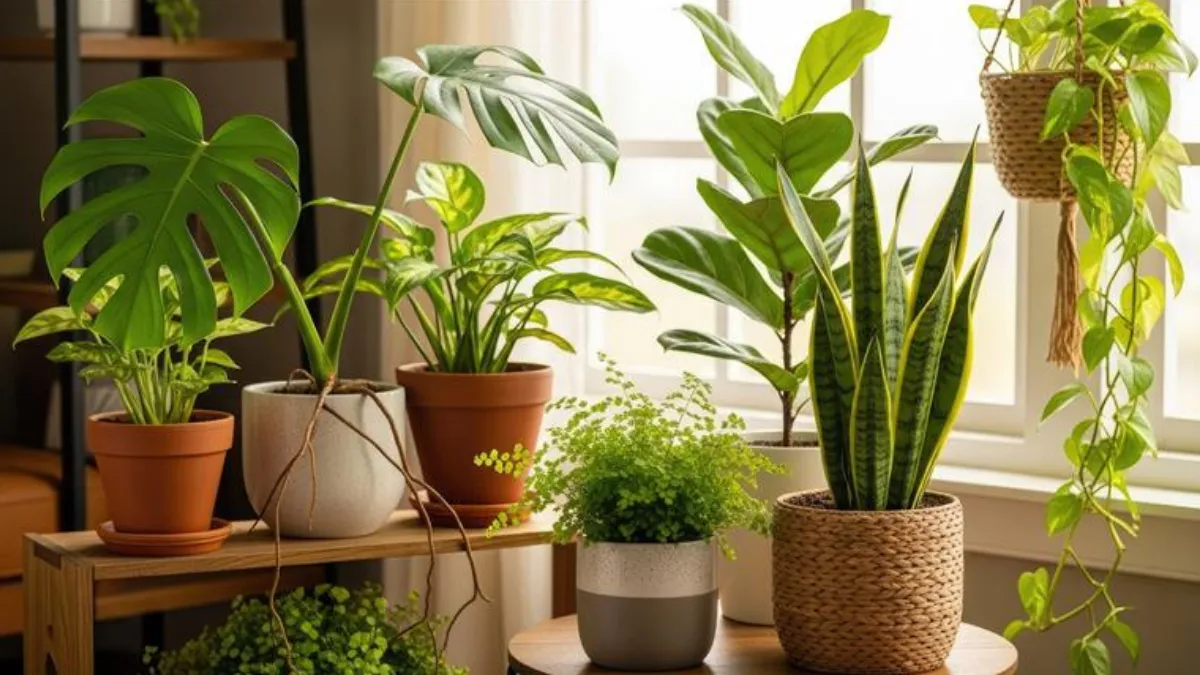
There is something special about walking into a home and spotting a plant that nobody else on your street owns. Common money plants and snake plants are lovely, but rare and expensive houseplants add an exotic beauty to your room and a different kind of charm, and also give you happiness. The beautiful plants can add odd shapes, unusual colors, and a story. Some look like sculptures, some like jungle royalty, and a few look as if they belong on another planet.
This guide is for anyone searching for rare and expensive houseplants, from first-time buyers to serious collector houseplants fans. You’ll learn why they cost so much, which ones are worth buying, how to care for them, and where to find them in India.
Why Are Some Houseplants So Expensive?
If you’ve wondered why some houseplants are so expensive, the answer is a mix of four things:
- Slow growth. Many rare plants take years to reach a sellable size.
- Difficult propagation. Variegated plants, for example, can’t be mass-produced. Each cutting depends on a lucky white or cream patch.
- Low supply, high demand. Social media has turned certain plants into status symbols.
- Import and quarantine costs. Many exotic indoor plants in India buyers want come from Southeast Asia or South America.
What Makes a Houseplant Expensive?
When people talk about the most expensive houseplants in the world, they usually mean highly variegated aroids. In India, the most expensive indoor plants in India are usually rare variegated plants and imported aroids, which can cost anywhere from a few thousand to several tens of thousands of rupees.
10 Rare Houseplants for Plant Lovers
These plant are the best rare plants for plant lovers who want beauty in their home. Together they make a perfect set of unique indoor plants for home and garden use.
1. Stephania Erecta Plant
The Stephania Erecta Plant has a round, bumpy, potato-like base that look like with delicate vines and heart-shaped leaves that looks attractive and give a perfect look to your home. It looks like a living sculpture. Searches for the Stephania erecta plant in India are rising fast because the plant is compact, unusual, and a favorite of collectors.
Best use: Indoors. Put it on a coffee table, floating shelf, or bright windowsill in a plain ceramic pot. It goes dormant in winter and drops its leaves, so water very little until spring.
2. Albuca Spiralis Exotic Plant
The plant also Known as “Frizzle Sizzle,” the Albuca Spiralis Exotic Plant has bright green, corkscrew-curled leaves. It’s playful, small, and instantly eye-catching.
Best use: In the living room, keep this plant near a sunny window. In the garden, it suits rock gardens and sunny borders in mild climates.
3. Adenium Arabicum – Rare Desert Rose
The Adenium Arabicum – Rare Desert Rose has a thick, swollen trunk, glossy leaves, and trumpet flowers in pink, red, or white that give an extraordinary look to your space. It looks like a flowering bonsai and is a great luxury indoor plant if you have a very sunny window.
Best use: Garden, balcony, or terrace. It loves heat and strong sun. Keep it dry in cooler months to prevent trunk rot.
4. Heliconia Lobster Claws Plant
The Heliconia Lobster Claws Plant brings tropical vibes with bright red and yellow bracts that look like lobster claws, plus big banana-like leaves.
Best use: Garden. Plant it along a boundary wall, near a pond, or near seating area if you want to a resort-type look in your home. It needs warmth, humidity, and generous watering.
5. Cactus Astrophytum Myriostigma Plant
The Cactus Astrophytum Myriostigma Plant is a spineless, star-shaped cactus with a gray-green body and white flecks. The plant is perfect if you want a beautiful plant for your home. Its geometric look suits modern interiors.
Best use: Indoors on a sunny shelf or console table, ideally in a black or concrete pot. It’s also one of the rare plants that are easy to care for, as long as you don’t overwater.
6. Alocasia Polly Amazonica Plant
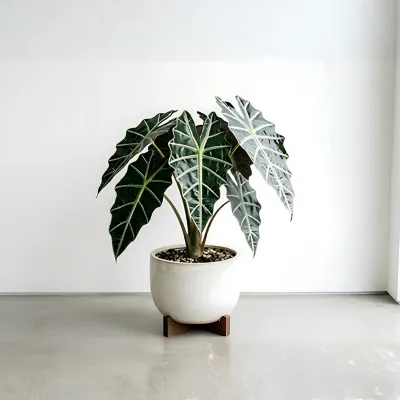
If we talk about another rare plant the Alocasia Polly Amazonica Plant has dark, arrow-shaped leaves with bold white veins that looks so attractive and also give a perfect look to your space. Because it looks dramatic even without flowers, this plant is one of the rare plants with beautful foliage.
Best use: Living room corner with bright, indirect light. Use a pebble tray for humidity. Keep it away from pets, as it’s toxic if chewed.
7. Graptopetalum amethystinum Plant
Often called Lavender Pebbles, the Graptopetalum amethystinum Plant forms plump rosettes in lilac, pink, and silvery green. Colors deepen with more sun.
Best Use: Group the plant in shallow bowls on a dining table, or use it in outdoor rock gardens and succulent beds. It’s a good choice among rare indoor plants for beginners.
8. Monstera variegated white Plant
The Monstera variegated white plant is one of the most sought-after plants on the planet. Every leaf is splashed with creamy white, so no two is alike.
Best use: Indoors, near a bright window with a moss pole for support. White patches burn in direct sun, so give filtered light.
9. Monstera Swiss Cheese Variegated Plant
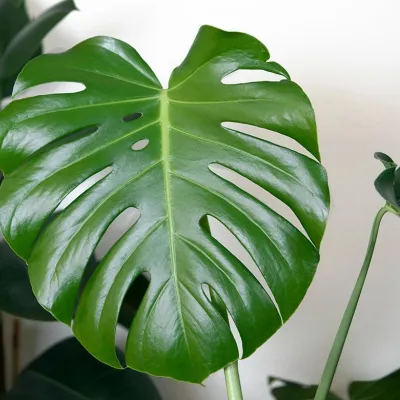
The rare Monstera Variegated plant has heart-shaped leaves with natural holes and cream or white variegation. The plant is slightly more compact than Albo, so the plant is perfect for smaller homes.
Best use: In a hanging basket, on a trellis, or on a tall stand near a window. The holes in the leaves play beautifully with light and shadow.
10. Caladium Snow White Christmas Plant
The Caladium Snow White Christmas Plant has soft, almost white leaves with green veins and occasional pink touches that look attractive in your home. The plant looks like someone is painted the canvas.
Best Use: Use it as a living room table accent in filtered light, or plant it under trees and along shaded garden paths. It grows from tubers and goes dormant in winter.
How to Care for Rare Houseplants?
- Drainage comes first. Use pots with drainage holes and a mix that lets water pass quickly. Root rot kills more rare plants than anything else.
- Match plant to light. Cacti and succulents want sun, while variegated Monsteras, Alocasia, and Caladiums prefer soft light.
- Respect dormancy. Stephania, Albuca, and Caladium all take rest periods. Leaf drop then is usually normal.
- Check before watering. Press a finger into the soil. If unsure, wait another day.
- Quarantine new plants. Keep new arrivals apart for two weeks to avoid spreading pests.
Rare Indoor Plants for Beginners
If you’re new in gardening, so begin with rare indoor plants for beginners like Astrophytum Myriostigma, Graptopetalum amethystinum, and Albuca Spiralis. Theese plants can tolerate mistakes better than Alocasia or Monstera Albo, and they’re among the rare plants that are easy to care for. Once you’re comfortable, move up to Swiss Cheese Monstera and then variegated varieties.
Why buy rare and expensive houseplants from Upjau?
Wondering where to buy rare plants in India? The safest way to shop for rare plants to buy online India is to choose a trusted plant store, and Upjau is a great place to start. If you want a Stephania Erecta Plant, a Monstera variegated white, or a rare Monstera Swiss Cheese Variegated plant, Upjau makes it easy to bring home exotic houseplants for sale without the guesswork.
- Wide collection of rare plants: Browse rare aroids India collectors love, rare variegated plants, rare foliage plants, and unique indoor plants for home and garden, all in one place.
- Plants for every level: From rare indoor plants for beginners to collector houseplants, you can find something that fits your experience and budget.
- Clear photos and details: Check the plant’s size, type, and condition before ordering, which matters most for variegated plants.
- Careful packaging: Rare plants are delicate, so good packing helps them reach you healthy.
Frequently Asked Questions:
1. Which rare houseplants look best in a living room?
Monstera variegated white, Alocasia Polly Amazonica, and Stephania Erecta look best indoors. They suit bright, indirect light and work as natural decor beside a sofa or window.
2. Can rare houseplants grow in a garden in India?
Yes, some can. Heliconia Lobster Claws, Adenium Arabicum, and Caladium do well outdoors, while succulents suit rock gardens. Protect delicate plants from harsh afternoon sun and heavy rain.
3. How often should I water rare succulents and cacti?
Water only when the soil is completely dry, usually every 10 to 14 days. Overwatering causes root rot, so reduce watering further during winter or dormancy.
4. Why are the leaves of my Monstera variegated plant turning brown?
Brown leaves usually mean direct sun burn, low humidity, or overwatering. Move the plant to bright, filtered light and water only when the top two inches are dry.
5. Which fertilizer is best for rare indoor plants?
Use a diluted balanced liquid fertilizer every three to four weeks in the growing season. Succulents and cacti need much less, only two or three times a year.
6. Are rare houseplants safe for pets and children?
Not always. Alocasia and Caladium are toxic if chewed, so place them out of reach of pets and children and wash your hands after pruning.
