
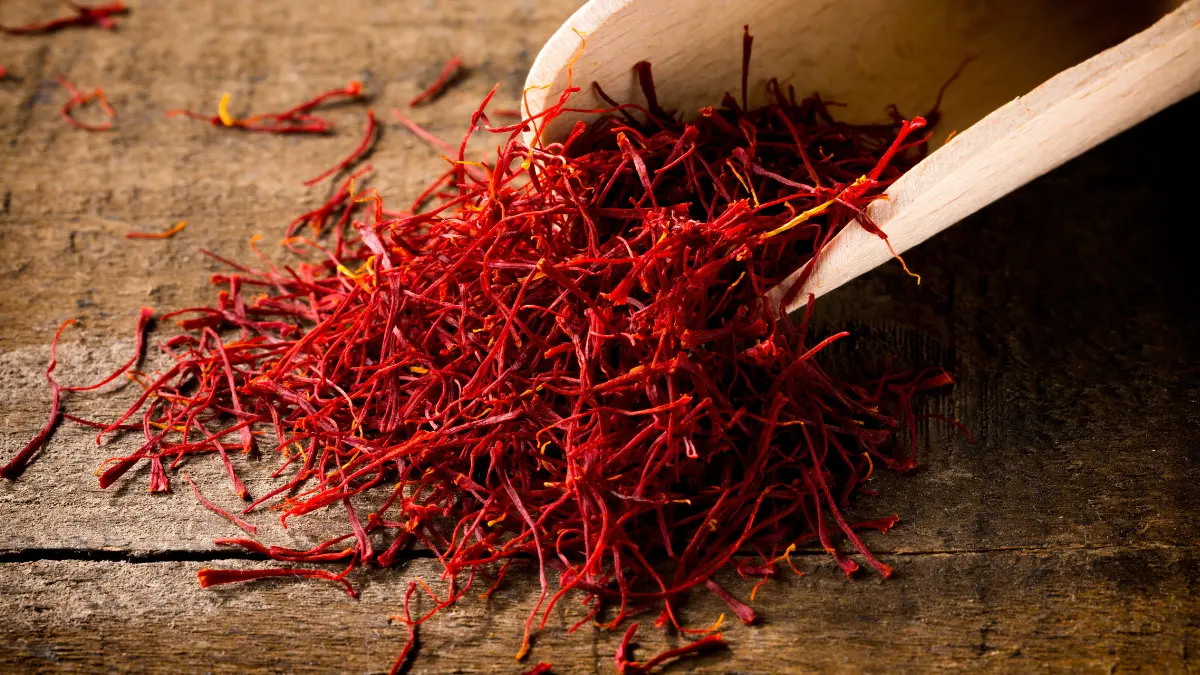
Growing saffron (Kesar) at home is easier than many people think. With healthy Crocus sativus bulbs, well-draining soil, full sunlight, and proper watering, you can harvest your own saffron in just 6–8 weeks after planting. This complete guide explains everything beginners in India need to know.
Saffron, also known as kesar, is the most expensive spice in the world. You can easily grow saffron at home from saffron bulbs (corms). If you know the right time and method to grow saffron at home, it becomes very easy to cultivate. It is one of the best plants for every gardening lover in India.
To grow saffron at home, plant healthy Crocus sativus corms in well-draining sandy soil during September or October. Keep the pot in 6–8 hours of direct sunlight, water lightly, and harvest the red stigmas from flowers in October or November.
Want to learn more ? This guide will help you understand everything if you are a beginner in gardening and want to grow Kesar at home (Crocus sativus). In this guide, we explain a complete saffron farming guide that will take you from buying quality bulbs to harvesting your first saffron threads.
Looking for healthy planting material? Explore Upjau’s premium Crocus sativus (saffron) bulbs to start growing saffron at home with quality corms.
How to Take Care of and Grow Kesar (Grow Saffron at Home Guide)
Buy crocus corms
The first step is buying good quality corms. These are also called saffron bulbs (Crocus sativus corms). Look for corms that are:
- Firm and solid — not soft
- Big in size — at least 8 to 10 cm wide
- Free from mold, cuts, or damage
Bigger corms give more flowers. Don’t buy small or cheap ones — they may not flower at all in the first year. Choosing the right corms is very important if you want to grow a healthy saffron plant at home.
Planting time
Timing matters a lot in saffron flower growth. Plant the corms in late summer or early autumn — between August and October. In India, September to October is considered the best planting window for saffron cultivation at home. If you are doing indoor saffron growing, you can start slightly earlier since you can control temperature and conditions, which helps corm sprouting. Avoid planting in peak summer or peak winter because saffron corms do not establish well under extreme heat or cold conditions.
Choose containers
No garden? No problem. Container saffron farming works very well for home growers in India. Here’s what you need:
- A pot or tray that is at least 15–20 cm deep
- Wide and shallow pots are better than tall, narrow ones for bulb spread
- The pot must have drainage holes at the bottom — this is essential to prevent bulb rot
- Terracotta pots are ideal because they allow airflow and reduce moisture buildup
- Wooden crates or grow bags also work well for saffron bulb planting
Container choice directly affects saffron bulb health and flowering success in home gardening setups.
Choose the Right Soil
Getting the soil right is one of the most important saffron soil requirements. Saffron hates wet, soggy soil. Use:
- Well-draining sandy or loamy soil
- A mix of garden soil + coarse sand + compost in a 2:1:1 ratio
- Soil pH between 6 and 8
- Avoid heavy clay soil — it holds too much water and rots the corms
- Ready-made bulb potting mix from a garden store also works well
Watering Schedule
- Water once after planting, then leave it until leaves appear
- Once leaves come up, water once a week or when the top inch of soil feels dry
- Reduce watering in summer when the plant goes dormant
- Never let the pot sit in a pool of water — that’s the number one reason corms rot
Sunlight
Saffron loves the sun. Give it 6 to 8 hours of direct sunlight every day. A south-facing window or balcony is perfect for indoor saffron growing. If you want to keep this Outdoors, place the pot in the sunniest corner. Low light means weak flowers and very little saffron.
Location
Pick your spot carefully. Saffron grows best in:
- Bright, breezy spots — not damp, low-lying areas
- Places protected from heavy rain, especially during flowering
- Indoors near a sunny window with good air flow
- City balconies work great for container saffron farming
Temperature
The bulbs rest underground in the heat (above 35°C). No watering needed. If you live in a warm city, grow it indoors where you can keep it cool during flowering time.
Fertilizer
If you want to plant the bulbs of saffron, mix compost or cow manure into the soil. Feed only once or twice a season — don’t overdo it. For organic saffron cultivation, use banana peel water, wood ash, or vermicompost. Avoid high-nitrogen fertilizers — they grow more leaves but fewer flowers.
Pruning:
Very simple. Saffron needs almost no pruning.
- After flowers fade, let the leaves grow through winter — they are feeding the bulb underground
- Only remove dead or yellowing leaves
- In late spring, once leaves turn fully dry and yellow, you can cut them
- Never cut green leaves — it weakens the corm for next year
Pests & Diseases
Crocus sativus care also means keeping an eye out for problems:
Bulbs rot from overwatering. Fix by improving drainage.
Aphids — tiny insects on leaves. Spray with neem oil mixed in water.
Rodents — mice love corms. Use a wire mesh under the pot.
Fungal issues — caused by poor air flow and humidity. Keep it ventilated.
For organic pest control, neem oil spray, garlic water, or diluted soap water all work well.
Harvesting Saffron
This is the best part
When to Harvest:
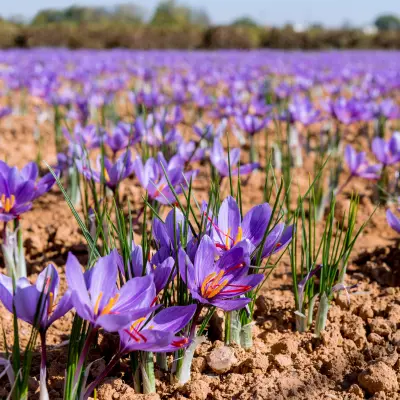
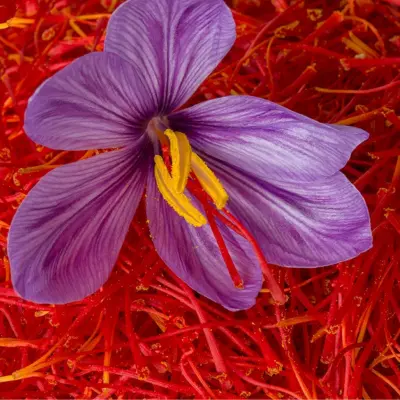
Saffron flowers appear in October–November. They bloom for just 2–3 days, so you have to act fast. Flowers open in the early morning and close by afternoon. Harvest the same morning the flower opens. Each flower has exactly 3 red stigmas — those are your saffron threads.
How to Harvest:
- Gently pick the whole flower
- Use clean fingers to pull out the 3 red stigmas
- Place them on dry paper and let them air-dry for 2–3 days
- Store in a small airtight glass jar, away from light and moisture
About saffron yield per plant — each bulb gives 1 to 3 flowers, and each flower gives 3 stigmas. So, the more bulbs you plant, the more saffron you get.
Saffron Quick Care Table
| Care Factor | Details |
| Botanical Name | Crocus sativus |
| Common Name | Saffron / Kesar |
| Plant Type | Perennial Bulb |
| Best Planting Time | August – October |
| Spacing | 10–15 cm apart |
| Sunlight | 6–8 hours of direct sun daily |
| Soil Type | Well-draining |
| Watering (Growing) | Once a week |
| Ideal Temperature | 15–20°C during flowering |
| Humidity | Low to moderate |
| Fertilizer | Compost or potassium-rich, once or twice a season |
| Flowering Season | October – November |
| Organic Pest Control | Neem oil, garlic spray |
| Difficulty Level | Easy to Moderate |
Crocus Sativus Care Through the Seasons
Crocus sativus care is really about working with the plant’s natural cycle:
Summer (May–Aug): Dormant. Keep dry. No watering.
Early Autumn (Sep–Oct): Plant or repot bulbs. Light watering starts.
Flowering (Oct–Nov): Blooms appear. Harvest fast. Water once a week.
Winter (Dec–Feb): Leaves grow and feed the bulbs. Light watering continues.
Spring (Mar–Apr): Leaves turn yellow and die back. Reduce watering. Let it go dormant.
Is saffron easy to grow?
Yes, if you want to grow saffron at home, it is really very easy. The right time of planting is the main thing; if you know the right time, then it is very easy to grow. Don’t overwater saffron. It requires full sunlight. When the flowers open, harvest them as soon as possible. Some bulbs don’t flower in the first year; if you do proper care of them, they’ll flower next season.
Saffron Harvesting Tips — Getting It Right
A few saffron harvesting tips to get the best quality:
- Always harvest in the morning — stigmas are freshest then
- Use clean, dry hands or tweezers
- Dry the stigmas immediately after picking — don’t leave them fresh for long
- Dry at room temperature for 2–3 days or in a very low oven (30–40°C) for 15 minutes
- Store only fully dried saffron
- Good saffron smells earthy, slightly sweet, and floral
Organic Saffron Cultivation — Doing It Naturally
Organic saffron cultivation means not using any chemicals. Use compost and vermicompost as fertilizers because it works well. If saffron is affected by pests, then use neem oil spray; it is very beneficial. The chemical destroys the quality, so don’t use chemical spray.
Spice gardening at home is most rewarding when done organically. Your homegrown saffron will be pure and clean.
Why choose the Saffron bulbs from Upjau?
If you are looking for an online nursery to buy healthy saffron corms in India, then Upjau is the best online plant nursery that provides healthy and happy corms of saffron and flower plants. Upjau helps home gardeners and plant lovers to grow healthy plants with quality gardening products.
At Upjau, You Get:
- Organic fertilizers
- Healthy seeds
- Healthy plant bulbs
- Beginner-friendly gardening plant
- Secure home delivery
- Best packaging of plants
If you are starting balcony gardening or terrace gardening, Upjau provides everything needed for successful Saffron growing in India.
Start this season with 20–30 corms, follow this simple saffron farming guide, and enjoy growing one of the world’s most precious spices right in your own home. Happy gardening.
Frequently Asked Questions:
How long will saffron take to grow?
Saffron takes only 6 to 8 weeks to bloom and is ready for its first harvest after planting the bulbs.
Which country produces the best saffron?
Iran produces the most saffron in the world, but Kashmir saffron from Indiais considered the best in quality, known for its deep color and strong aroma.
How many times can you harvest saffron per year?
Saffron is harvested only once a year.
Is growing saffron profitable?
Growing saffron is one of the most profitable spices. The market rate of saffron is around 1 .5 lakh to 3 lakh per kilogram.
