Your cart is empty
Explore our collectionsCoupons
Order Summary
Total₹ 0

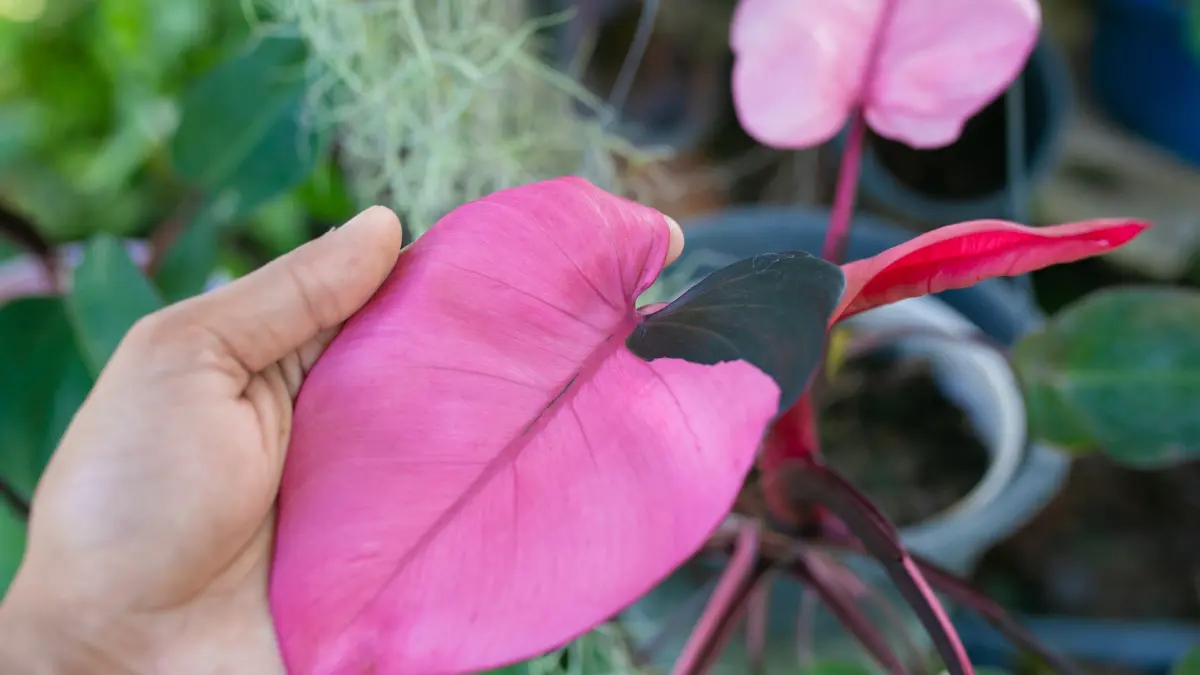
If you got your hands on a Pink Princess Philodendron (Philodendron erubescens ‘Pink Princess’), congratulations! This stunning variegated houseplant has become one of the most sought-after indoor plants among collectors and plant lovers. You can’t scroll through Instagram or Pinterest without spotting its beautiful pink and deep green leaves.
The vibrant pink isn’t painted or dyed—it’s completely natural. Every leaf develops its own unique pattern because of genetic variegation, making each Pink Princess truly one of a kind.
However, keeping those beautiful pink patterns vibrant isn’t always easy. Many plant owners notice their Pink Princess gradually producing greener leaves over time. While you cannot change the plant’s genetics, proper care can help maximize its natural variegation.
In this guide, you’ll learn practical tips to encourage healthier growth, maintain vibrant pink variegation, and keep your Pink Princess thriving indoors.
| Feature | Details |
|---|---|
| Botanical Name | Philodendron erubescens ‘Pink Princess’ |
| Common Name | Pink Princess Philodendron |
| Plant Type | Variegated tropical houseplant |
| Light | Bright indirect sunlight |
| Humidity | 60–80% |
| Watering | When the top 1–2 inches of soil are dry |
| Difficulty | Moderate |
| Best Growing Season | Spring and Summer |
Yes. Genetics plays the biggest role in determining how much pink your Pink Princess can produce.
Even with perfect care, you cannot force a plant with low genetic variegation to become highly pink. However, proper lighting, humidity, nutrition, and pruning can help your plant express the best variegation its genetics allow.
Think of plant care as helping your Pink Princess reach its full natural potential rather than creating new variegation.
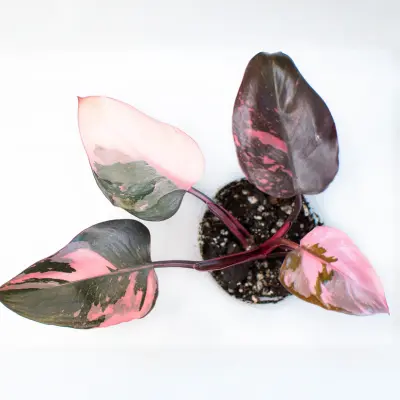
Bright, indirect sunlight is one of the most important factors for maintaining vibrant variegation.
Place your Pink Princess near an east-facing window or a bright room where it receives plenty of filtered sunlight. Avoid harsh afternoon sun, which can scorch the leaves.
If your plant starts producing mostly green leaves, insufficient light is often the reason.
Pink Princess Philodendrons thrive in humidity levels between 60–80%.
Indoor air can become quite dry, especially during summer with air conditioning or winter with heaters running.
You can increase humidity by:
Higher humidity supports healthier foliage and stronger overall growth.
Feed your Pink Princess with a balanced liquid fertilizer during spring and summer.
Avoid using fertilizers that are excessively high in nitrogen. Too much nitrogen encourages vigorous green growth, which may reduce the visual appearance of pink variegation.
A consistent feeding schedule during the growing season is usually enough.
Proper pruning can encourage new growth from more variegated nodes.
Inspect the stem carefully. If your plant begins producing mostly green leaves, prune it back to a node that previously produced balanced pink and green foliage.
This encourages the plant to activate healthier growth points that may continue producing attractive variegation.
Sometimes your Pink Princess may start producing leaves with very little or no pink.
This process is called reversion, and it’s usually the plant’s natural response to maximize chlorophyll for survival.
Don’t panic.
Instead:
Many plants regain stronger variegation over time.
Healthy plants naturally produce healthier foliage.
Make sure your Pink Princess receives:
Avoid overwatering, as stressed roots often result in slower growth and poorer-quality foliage.
Small maintenance tasks make a noticeable difference over time.
Remember to:
Healthy plants are far more likely to develop attractive variegated leaves.
If your Pink Princess develops a stem with strong pink and green variegation, you can propagate that section to grow a new plant.
When taking a stem cutting:
Although variegation is genetic and not guaranteed, propagating from a well-variegated stem often increases the chances of maintaining attractive foliage in the new plant.
Growing a beautifully variegated Pink Princess requires patience.
Even under ideal conditions, every new leaf develops differently. Some may have large pink patches, while others may show only a few speckles.
Instead of trying to force more pink, focus on providing consistent care. Over time, your plant will naturally produce the best variegation its genetics allow.
If your Pink Princess starts producing mostly green leaves for several months, it’s a sign that something needs attention.
Review your plant’s care routine:
Correcting these issues early can help improve future growth.
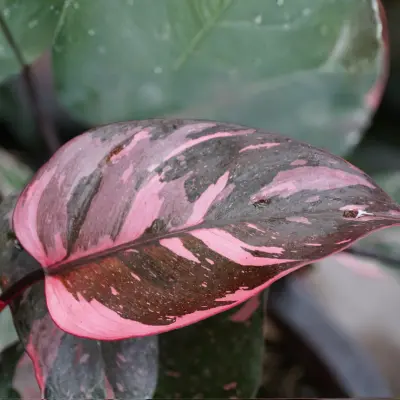
Many Pink Princess owners accidentally reduce variegation by making simple care mistakes.
Avoid these common problems:
Remember, healthy plants generally display stronger and more stable variegation over time.
The answer is yes—but only to a certain extent.
You cannot change your Pink Princess into a highly pink plant if its genetics don’t support it.
However, you can maximize its natural potential by providing:
Think of good care as helping your Pink Princess express the best version of its natural beauty.
Looking to buy a Pink Princess Philodendron sapling? Explore our healthy Pink Princess saplings and why not mature Pink Princess Philodendron plants, carefully grown and securely packed to help you start or expand your indoor plant collection.
At Upjau, the best online plant nursery in India, we believe healthy plants start with proper care.
Our Pink Princess Philodendrons are carefully selected and grown under suitable conditions to promote healthy growth and beautiful natural variegation.
When you shop with Upjau, you receive:
Whether you’re a beginner or an experienced collector, we’re here to make your plant journey enjoyable and successful.
The Pink Princess Philodendron remains one of the most beautiful and desirable indoor plants for collectors and plant lovers alike. While genetics determine how much pink variegation your plant can produce, the care you provide plays a major role in helping it reach its full potential.
By maintaining bright indirect light, proper humidity, balanced nutrition, and consistent pruning, you can encourage healthier growth and enjoy vibrant pink foliage for years to come.
With a little patience and the right care, your Pink Princess will reward you with stunning, one-of-a-kind leaves that make it a true showstopper in any indoor plant collection.
Pink variegation usually fades because of insufficient light or natural reversion. Move your plant to a location with bright, indirect sunlight and prune back to a well-variegated node if necessary.
Provide bright indirect light, maintain humidity between 60–80%, fertilize moderately, and prune strategically. These conditions help the plant express its natural variegation.
Yes. In low-light conditions, the plant produces more green foliage to increas
If the plant consistently produces fully green leaves from a reverted stem, pruning back to a previously variegated node may encourage more balanced future growth.
Fertilizer supports healthy growth but cannot create variegation. Overusing high-nitrogen fertilizers may encourage excessive green growth, so use a balanced fertilizer during the growing season.
Yes. The Pink Princess is an excellent indoor plant that thrives in bright, indirect light with proper humidity and regular care. Its striking pink and green foliage makes it one of the most popular houseplants for homes and offices.