
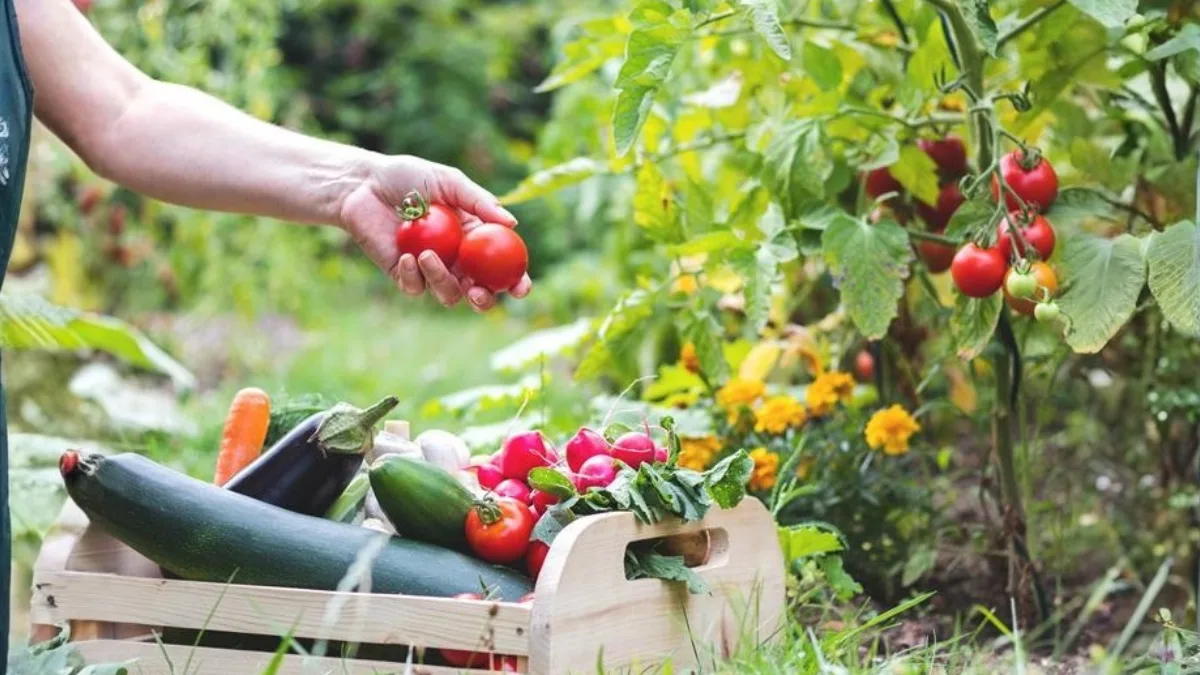
Once the mornings turn cool, most people put their gardening tools away and call it a day. But November is actually when a winter vegetable garden in India starts to shine. The weather is mild, pests are fewer, weeds grow slowly, and vegetables like spinach, meethi, and carrots taste sweeter in the cold.
Cold weather is a gift the perfect time for vegetables if you want to grow your own vegetables. Pests are fewer, weeds grow slowly, and leafy crops taste sweeter. If you are asking what to grow in November in India, this guide gives you 15 easy options, a simple calendar, and tips that actually work.
Why November Is Perfect for Gardening
November is the heart of the Rabi season; lots of vegetables are growing in this month by the gardeners. There is no heat, and heavy rains are gone; the soil still holds some warmth, and seeds sprout easily. Young plants get time to build strong roots before the coldest weeks of December and January.
Growing vegetables in November in India also saves money. Fresh spinach, carrots, and cabbage from your own space cost almost nothing, and they taste far better than market ones and also they are organic. You do not need any special skills either. If you can water a plant and pull a weed, you can do it.
Getting Your Soil Ready
Good soil is half the work, so spend a little time here.
- Remove old roots, dry stems, and weeds from your summer crops.
- Loosen the soil 8 to 10 inches deep.
- Mix the soil in well-rotted cow dung manure or compost, about two to three handfuls per square foot.
- Water it lightly a day before when you plan to sowing.
For containers, use a mix of garden soil, compost, and a little sand or cocopeat. Every pot must have drainage holes. Too much water kills winter plants faster than cold does.
Pick a spot with where at least four to six hours of sun. Winter sun is weaker, so a bright corner really matters.
15 Best Winter Vegetables to Grow in November
These are the best winter vegetables for home garden growers, and all of them suit Indian conditions. This list also works as a guide to winter vegetables Indian families cook every week.
Leafy Greens
1. Spinach (Palak)
This is the friendliest crop for a beginner. Sow seeds about an inch deep in rows. They sprout in a week, and you can cut leaves in 30 to 40 days. Cut only the outer leaves and the plant keeps growing.
2. Lettuce
Lettuce loves to grow in cool weather, so November suits it well. Scatter the seeds lightly because they need a little light to sprout. Pick loose leaves as needed. It grows nicely in pots too.
3. Coriander (Dhania)
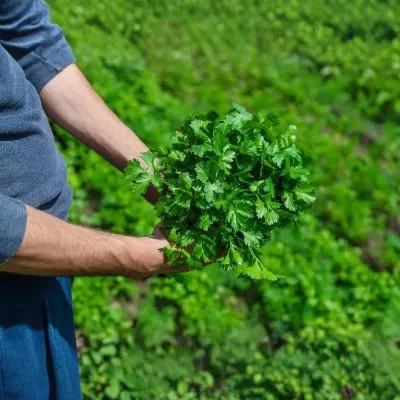
No Indian kitchen is complete without it. Crush the seeds lightly before sowing, so they sprout faster. It is ready in 4 to 5 weeks. Sow a fresh batch every two weeks.
4. Fenugreek (Methi)
Methi is one of the fast-growing vegetables for November, ready in just 3 to 4 weeks. Soak the seeds of methi overnight, sprinkle them on the soil, and cover with a thin layer. It grows well even in a small tray.
5. Mustard Greens (Sarson)
Perfect for sarson ka saag. Sow seeds thinly and thin the plants to a few inches apart. Young leaves are ready in about 30 to 40 days, and cold weather makes them tastier.
Root Vegetables
6. Carrot (Gajar)
Homegrown carrots are sweeter and crunchier than market carrots. The secret is loose, stone-free soil so the roots grow straight. Thin the seedlings to two inches apart. Harvest in 70 to 90 days.
7. Radish (Mooli)
Another quick winner, with some varieties ready in 25 to 30 days. Keep the soil evenly moist. Uneven watering makes radishes crack or turn hard.
8. Beetroot (Chukandar)
You get two things from one plant: the root and the tender leaves. Each seed is really a cluster, so several seedlings come up together. Thin them so roots have room. Ready in 8 to 10 weeks.
9. Turnip (Shalgam)
Turnips need very little care. Sow seeds half an inch deep and keep plants about four inches apart. Pull the roots in 45 to 60 days, and enjoy the young greens as well.
Cabbage Family
10. Cabbage (Patta Gobhi)
Cabbage needs patience, but it gives big, solid heads. The Plant seedlings about 18 inches apart and keep the soil damp. Harvest in 70 to 90 days.
11. Cauliflower (Phool Gobhi)
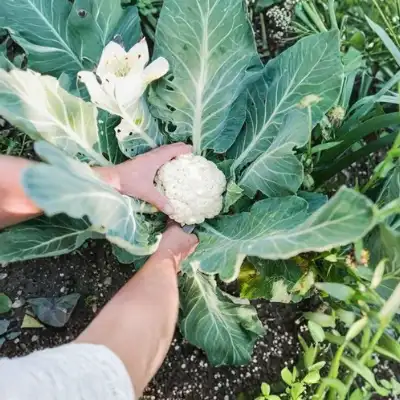
The cauliflower likes cool, steady weather and rich soil. Plant seedlings 18 to 24 inches apart. When the white head forms, tie the outer leaves loosely over it to keep it clean and white.
12. Broccoli
Full of nutrition and easy if you give it space and food. After cutting the main head, small side shoots keep coming for weeks, so leave the plant in place.
Peas and Bulbs
13. Green Peas (Matar)
Fresh peas from the pod are the real joy of an Indian winter. Sow seeds an inch deep and give the plants support of sticks or net, because they climb. Ready in 60 to 70 days.
14. Onion (Pyaz)
Plant seedlings or small sets about four inches apart. Onions take 3 to 4 months, but you can cut the green tops as spring onions much earlier.
15. Garlic (Lehsun)
Almost effortless. Break a bulb into cloves and push each one two inches deep, pointed end up. Then mostly leave it alone. Bulbs are ready in 4 to 5 months.
Vegetable Sowing Calendar India: November Week by Week
If you like a plan, here is a simple vegetable sowing calendar for India beginners can follow. Think of it as your winter vegetable sowing calendar for the whole month. It also answers the common question of which vegetables to sow in November in India.
- First week: Carrot, radish, turnip, peas, coriander, mustard greens.
- Second week: Spinach, methi, beetroot, lettuce.
- Third week: Cabbage, cauliflower, and broccoli seedlings, plus onion and garlic.
- Last week: Another round of coriander, methi, and radish.
Sowing in small batches like this is called succession sowing. It gives you fresh vegetables all winter, not one big harvest that ends at once.
Keep in mind that India is a big country. In north India, where nights get properly cold, follow this calendar as it is. In warmer parts of central and south India, you can sow a little later in the month and still get good results.
Winter Vegetable Gardening Tips That Really Work
These winter vegetable gardening tips come from my own mistakes and small wins.
Water carefully: Winter plants need less water than summer plants. Water in the morning so the soil does not stay wet all night. Push a finger one inch into the soil. If dry, water. If damp, wait.
Mulch the soil: Spread dry leaves, straw, or grass clippings around plants. Mulch keeps the soil warm, holds moisture, and stops weeds.
Feed lightly: Give compost tea or diluted liquid manure every two to three weeks. Leafy crops like spinach and mustard love extra feeding. Root crops like carrots need less.
Protect from frost: In very cold areas, cover seedlings at night with an old cotton sheet or plastic on sticks. Remove it in the morning so plants get sunlight.
Watch for pests: Aphids like leafy plants, and cabbage worms love the cabbage family. Check under leaves every few days. Wash off aphids with water or use a mild neem oil spray, and pick caterpillars by hand.
Winter Vegetables to Grow in Pots
Here is how to match vegetables with winter vegetables to grow in pot sizes:
- Small or shallow containers (6 to 8 inches): spinach, lettuce, coriander, methi, radish, mustard greens.
- Deep containers (10 to 12 inches): carrot, beetroot, turnip.
- Large pots or grow bags (15 inches or more): cabbage, cauliflower, broccoli. Keep one plant per pot.
- Medium pots with support: peas, onion, garlic.
Use a light potting mix and never let water collect at the bottom. Old buckets, paint tins, and even cut plastic drums work well if you punch holes in them. A November vegetable garden for beginners in India should start small. Pick four crops you eat most, such as spinach, coriander, radish, and peas. Watch how they grow, learn what your soil likes, and add more next month.
Common Mistakes to Avoid
- Sowing too thick. Crowded seedlings stay weak. Thin them early, even if it feels wrong.
- Overwatering. More water does not mean more growth. It causes rot and fungus.
- Ignoring sunlight. A shady bed in winter gives tiny, weak plants.
- Planting everything at once. Spread sowing over a few weeks.
- Skipping seedling hardening. If you buy nursery plants, keep them outside for a few days before planting.
Final Thoughts: Your Winter Garden Starts Now
If you are a plant lover and want to build your own garden, a winter vegetable garden does not need a big plot so you can start with small spaces. It needs a sunny spot, some compost, and a little regular attention. Now that you know what to grow in November in India, pick your first few seeds this week, sow them, and enjoy the wait.
Fifteen vegetables, one sunny corner, and a few months of care can fill your kitchen with fresh, healthy food all winter. Happy gardening……!!!!!!!!
Frequently Asked Questions:
- Which winter vegetables grow the fastest?
Radish, spinach, fenugreek, coriander, and mustard greens are among the fastest-growing winter vegetables. With proper sunlight and watering, many can be harvested within 3–6 weeks.
- Can I grow winter vegetables in pots on a balcony?
Yes, you can easily grow winter vegetables in pots on a balcony. Choose containers with drainage holes, use good-quality soil, and place them where they get around 4–6 hours of sunlight daily.
- Is November too late to start a vegetable garden in India?
No, November is still a good time to start growing many winter vegetables in India. You can sow crops like radish, spinach, peas, carrots, coriander, and fenugreek depending on your local climate.
- Should I grow winter vegetables from seeds or saplings?
Both options work well. Seeds are better for vegetables like radish, carrot, peas, and spinach, while saplings can save time for crops such as cabbage, cauliflower, and broccoli.
