Your cart is empty
Explore our collectionsCoupons
Order Summary
Total₹ 0

The rainy season brings relief from the summer heat, but it also creates the perfect conditions for fungal problems in indoor plants. The soil stays wet all day, the soil takes longer to dry, and soon you see small white or brown spots on the leaves. This is indoor plant fungus in monsoon, and it can spread from one plant to another very fast if you don’t stop it early.
If you want your plant to stay healthy, good monsoon plant care is very important during the season. A little extra effort can save your plants’ lives. So now we’ll talk about rainy season plant care and how to protect indoor plants in the monsoon, so your plants stay healthy till the rainy season ends.
Fungus likes two things- wetness and darkness. And monsoon gives both. The air stays moist all day, the sun hardly comes out, and the soil, which used to dry in a day, now stays wet for three to four days. Fungus grows fast in this kind of environment. That’s why suddenly you see mould on the soil, or white powder-like spots on leaves which were totally fine just last week.
Water less often – Air is already wet in monsoon, so don’t water like summer. Check the soil with your finger first; water only if it’s dry.
Don’t water on a fixed schedule – Skip a day if the soil still feels damp. Overwatering is the main cause of fungus.
Give plants some space – Don’t keep pots too close together. A gap between plants lets air move and leaves dry faster.
Open windows or use a fan – Fresh air stops fungus from settling on leaves and soil.
Water the soil, not the leaves – Wet leaves that stay wet for long are an easy target for fungus.
Check your pots have drainage holes – If water can’t escape, it sits at the bottom and rots the roots.
Mix sand in the soil – This helps extra water drain out fast instead of staying stuck.
Keep plants near a window – Even weak daylight helps, since fungus loves dark corners.
Cut off infected leaves fast – Don’t wait. One bad leaf can spread fungus to the whole plant.
Spray neem oil once a week – Mix neem oil with water and spray on leaves; it keeps fungus and pests away naturally.
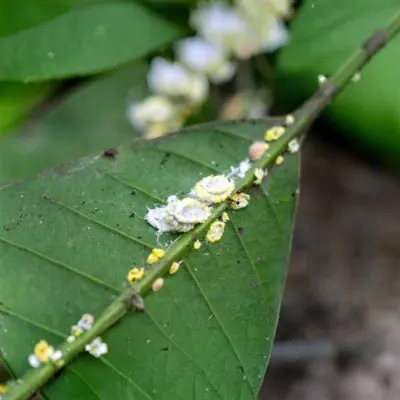
Not always. That white, cotton-like layer on the soil is a fungus, but mostly it doesn’t hurt the plant directly. It’s more like a warning sign – it means your soil is staying wet for too long, and that same wetness can lead to root rot later on.
Many people get confused between fungus and overwatering;
Some plants catch fungus more easily than others in wet weather:
If you want to keep these plants in your home, care regularly during the monsoon and also care for them regularly during the rainy season.
This is one of the most common monsoon problems people ask about during money plant care. In most cases, white spots are caused by powdery mildew or a mild fungal infection.
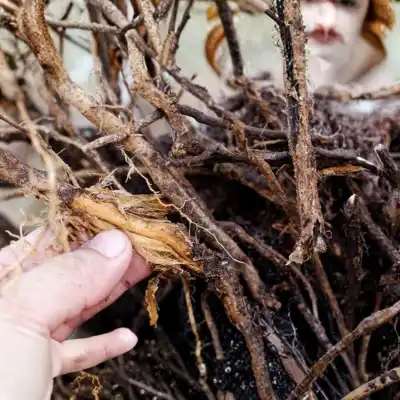
Root rot is one of the biggest problems that happens during monsoon. Watch out for:
If A bad smell comes from the pot means the soil is too wet for too long. To fix it:
You don’t always need strong chemicals for fungal infections. If you want a homemade spray for your plant care.
Yes, it does help. Cinnamon has natural fungus-fighting properties. So, its help for the growth of healthy plants. That’s why many people dust a light layer of cinnamon on top of the soil, or on a cut stem after removing a bad leaf. It’s an easy way to add extra protection without using any chemicals.
Here is a quick and easy guide for different problems:
| Problem | What to Use |
| Powdery mildew | Neem oil spray or Sulphur fungicide |
| White fungus on soil | Let the soil dry and sprinkle cinnamon powder |
| Root rot | Remove rotten roots and repot in fresh soil |
| Leaf spots | Prune infected leaves and apply neem oil |
If you find root rot, act fast:
A simple checklist to get your plants ready before the heavy rains:
For more monsoon plants, check the collection that adds beauty in your home. (Upjau interlink)
If you’re looking for a good place to buy plants online, Upjau is worth checking out. It’s a budget-friendly online plant nursery in India, making gardening as simple as ordering everyday things online. They deliver across India, so no matter which city you’re in, you can get plants at your doorstep.
If you are planning to buy new plants, some of these handle monsoon wetness better and don’t catch fungus easily: snake plant, ZZ plant, Areca palm, Spider plant, and adenium.
Leave almost 4–6 inches of space between pots. This improves airflow, helps the leaves dry faster, and reduces the chances of fungal growth.
Yes, fungal problems are quite common during the monsoon in India. High humidity, damp soil, and poor airflow create the perfect conditions for fungus to grow on leaves and soil.
Yes, fungus can spread from one plant to another through the air, water, or by touching infected leaves. Remove infected leaves quickly and keep enough space between plants to prevent it from spreading.
Sunlight can help reduce fungal growth by drying the leaves and lowering moisture, but it does not completely kill fungus.