Your cart is empty
Explore our collectionsCoupons
Order Summary
Total₹ 0

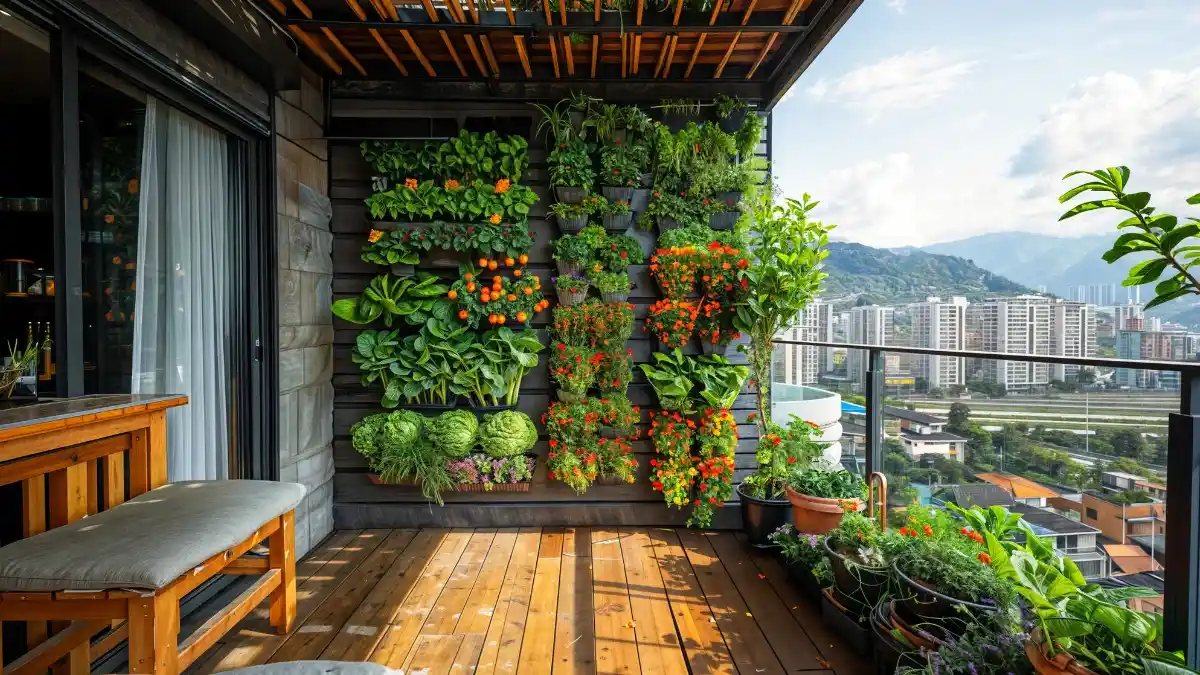
Living in a high-rise apartment or a compact city home doesn’t mean you have to give up on greenery. If you’ve been looking for plants for Gurgaon apartments, balcony plants for high-rise apartments, or simple apartment balcony gardening tips, vertical gardening is the answer.
In this guide, we’ll talk about everything about vertical gardening for balconies and terraces, from the basics to a full step-by-step setup, so you can build a thriving garden in even the smallest terrace or balcony.
Vertical gardening is the art of growing plants up, on walls, railings, hanging structures, or tiered stands. This is a game-changer for anyone dealing with compact gardening for small outdoor spaces or balconies. In the case of apartment balcony gardening, Gurgaon residents can find this method more suitable, as terraces and balconies are narrow but are blessed with plenty of sunlight and wind.
Vertical gardening helps you make better use of limited space by growing plants on walls, railings, shelves, hanging structures, and tiered stands.
In Indian cities like Mumbai, Delhi, and Bangalore, balcony space is often limited. Hanging planters help you make better use of walls, railings, and ceilings without taking up much floor space.
If you love gardening and are looking for plants that adjust to very limited space, then hanging planters are the best choice for balconies, terraces, and kitchen windows. They’re also one of the easiest ways to incorporate the best indoor plants and outdoor plants because the plants adjust to very limited space.
For those living in high-rise buildings, another issue that vertical gardening can solve is wind. High-floor plants that are wind-tolerant benefit from being planted on the sides with the most exposure, while plants that survive strong winds on high floors.
So now you are wondering how to garden in a high-rise apartment? Follow this step-by-step process to set up a garden that actually survives – and thrives.
A: Choose the Right Location
Pick the wall, railing, or corner that gets the most consistent conditions — whether that’s sun, shade, or wind exposure. This decision shapes every plant choice that follows.
B: Measure Your Space
Measure the available wall, railing, or corner before buying planters. Check how much vertical and floor space you have and leave enough room between plants for airflow and maintenance.
C: Understand Sunlight
Observe the sun’s movements across the sky on your balcony for a couple of days. If you’re looking for the most appropriate plants for your sunny high-rise balcony in Gurgaon, or if you are looking for plants that require less sunlight for your shady high-rise balcony.
A. Product Types:
B. Recommended Materials:
Heavier ceramic pots or simple concrete pots will also result in excessive wind resistance and extra structure weight when you are selecting the right pots for a high-rise balcony garden.
A. Plants for Sunlight-Rich Areas:
B. Plants for Shaded or Bright-Indirect-Light Areas
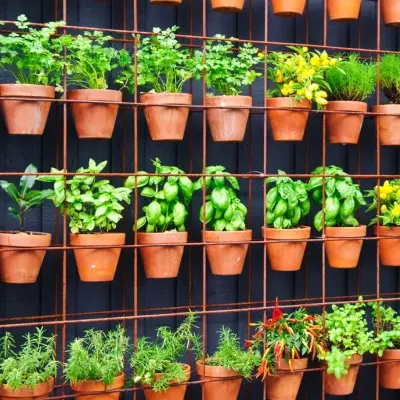
C. Edible Plants for Kitchens:
Edible plants are a great addition if you’re setting up plants for high-rise balconies India-wide with a mix of decorative and practical greenery.
Winds and heat dry out the balconies at height faster, so:
These basics form the foundation of good gardening tips for Gurgaon high-rises and apply equally well across other Indian cities.
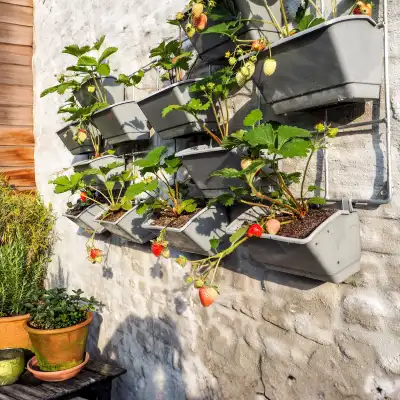
You don’t need expensive products to get started:
This approach is one of the most practical budget-friendly vertical garden ideas for small apartments, especially for students and first-time renters.
A freestanding tiered plant stand is ideal for renters, as you will not be able to drill into walls. It needs no installation, can be easily shifted, and provides all the advantages of compact gardening for small outdoor spaces. This is one of the most flexible balcony gardening ideas for Gurgaon apartment dwellers who move frequently or live in shared housing.
Vertical gardens are perfect for everyone, whether you’re a homeowner or not
Vertical gardens are ideal for renters and homeowners alike:
You don’t need a large terrace to enjoy a beautiful garden. If you’re furnishing a brand-new terrace or want to add greenery to a narrow apartment balcony, vertical gardening offers a practical, budget-friendly way to bring nature into your home. By combining the right compact balcony plants for apartments, wind-tolerant varieties, and smart hanging planter choices, you can create a green, breathable space that improves both your view and your air quality, and you can also make a point of attraction in your home.
Start by checking sunlight, measuring your space, choosing suitable planters, and picking plants that can handle your balcony’s light and wind conditions.
Snake Plant, Portulaca, succulents, and Bougainvillea can work well on high-rise balconies, especially in areas exposed to strong sunlight and wind.
Yes, you can use freestanding plant stands, railing planters, hanging baskets, and movable shelves if you don’t want to drill into your walls.
Lightweight railing planters, hanging baskets, wall-mounted planters, and tiered stands are good choices because they save floor space and are easy to move.
Secure hanging planters properly, choose sturdy containers, avoid overcrowding, and keep delicate plants in sheltered areas away from strong wind.
Yes, you can grow herbs and compact vegetables such as Tulsi, mint, basil, chilli, cherry and tomatoes in suitable containers.
Start with a few affordable plants and reuse bottles, cans, pallets, or old containers as planters. You can add more plants later as your garden grows.