Your cart is empty
Explore our collectionsCoupons
Order Summary
Total₹ 0

Greenery at home is really the most peaceful and also brings a different kind of happiness. If you want to bring some greenery into your home, hanging plants for home are a great place to start. The best thing about hanging plants for indoor use is that they don’t ask for much space. Small apartment, tight balcony, or just an empty corner in your bedroom – they fit almost anywhere, which is exactly why so many plant lovers end up choosing them first.
This indoor hanging plants guide walks you through the best indoor hanging plants, how to care for hanging plants indoors, and how to style them beautifully in every room of your home.
If you are planning to put some plants in your home but don’t have much space, hanging plants are the perfect choice. They are hung from a ceiling or wall, giving you a whole lot of floor and shelf space, perfect for small homes and apartments. In addition to conserving space, they can also improve indoor air quality, alleviate stress, and provide a natural and soft appearance to interior spaces that cannot be replicated by plants on the ground.
That is the reason that why this time hanging plants for home have soared in popularity in recent years in India. Whether in apartments or stand-alone homes, more and more people are opting for trailing indoor plant greenery to infuse life into their balconies, kitchens, and living rooms, with no need for additional furniture or floor space in India.
In this blog, we’ll talk about the best hanging plants for home that thrive indoors. The hanging plant is select because it’s The hanging plants are easy to maintain, making this list perfect if you’re searching for low-maintenance hanging plants for Indian homes.
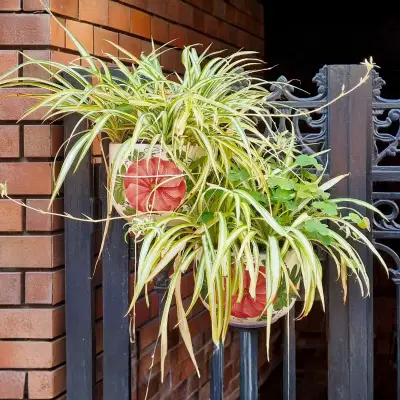
With its arching, striped green-and-white leaves and tiny plantlets dangling like little spiders, this plant is tough, air-purifying, and nearly impossible to kill – perfect for beginners.
Soil: Well-draining potting mix, slightly sandy
Light: Bright indirect light
Water: Water only when the soil is dry, roughly 1-2 times a week
Humidity: Normal room humidity is fine
Fertilizer: Liquid fertilizer monthly, more often in summer
This plant is known for its glossy leaves and its beautiful heart-shaped leaves. The plant is found in almost every home because it is believed to bring good luck and prosperity, and the best thing is that the plant grows well in soil and water as well.
Soil: Regular potting soil, or even grow in water
Light: Low to medium indirect light
Water: Weekly if in soil; change water every 2 weeks if in water
Humidity: Adapts easily; no special humidity needed
Fertilizer: Light fertilizer every 2 months
The plant is perfect if you want a hanging plant for your balcony and garden. The plant has beautiful green and white spotted leaves that look attractive in a pot.
Soil: Well-draining, slightly moist soil
Light: Bright indirect light works best
Water: Water when the top layer of soil dries out
Humidity: Prefers medium to high humidity
Fertilizer: Monthly during the growing season
Growing rapidly, with glossy heart-shaped leaves, this easy-to-grow plant suits most gardeners who want fast-growing, forgiving plants that can cope with nearly all lighting.
Soil: Peat-based, well-draining mix
Light: Handles both low and bright indirect light
Water: Keep lightly moist; avoid overwatering
Humidity: Normal humidity is fine
Fertilizer: Balanced fertilizer every 6-8 weeks
The Hoya plant is Famous for its thick, waxy and star-shaped leave, fragrant flowers. The plant is perfect for gentle neglect and low lights and it is also a slow-growing plant.
Soil: Well-draining, mixed with orchid mix
Light: Bright indirect light
Water: Water sparingly; let soil dry out fully between waterings
Humidity: Medium humidity works well
Fertilizer: Every 4-6 weeks during flowering season
The Compact and low-maintenance habit of this plant is ideal for shelves or small hanging pots in small spaces. Peperomia Hope features small succulent-like foliage arranged in light strands.
Soil: Light, well-draining mix
Light: Bright indirect light
Water: Low water needs, similar to succulents
Humidity: Normal to medium
Fertilizer: Light fertilizer every 2 months
Monstera adansonii leaves are distinct, heart-shaped tropical green leaves featuring unique natural holes and perforations, which give the plant its popular nickname, the “Swiss cheese plant” or “broken heart plant”.
Soil: Chunky, well-draining aroid mix
Light: Bright indirect light
Water: Water once the topsoil dries out
Humidity: Prefers high humidity
Fertilizer: Monthly during growing season
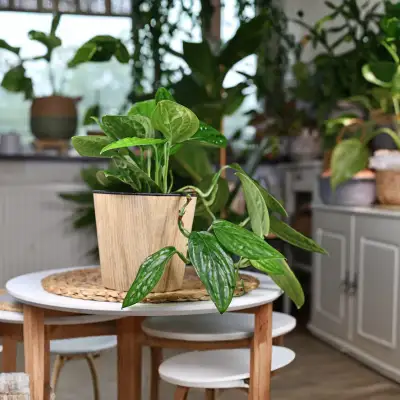
A lesser-known Monstera cousin, this plant has thick, textured, quilted leaves that give it a unique, almost armored look, and it trails beautifully once mature.
Soil: Well-draining aroid mix
Light: Bright indirect light
Water: Moderate; only after soil dries
Humidity: Medium to high
Fertilizer: Monthly during growing season
It is the perfect plant with its small, coin-shaped leaves. This plant is perfect for people who are busy in their schedules and love greenery because the plant is very low-maintenance.
Soil: Light, airy, well-draining mix
Light: Bright indirect light
Water: Low water needs, semi-succulent nature
Humidity: Medium humidity is ideal
Fertilizer: Light dose every 2 months
Syngonium Black features dark, arrow-shaped leaves for a moody, elegant addition to green-toned plantings, and is easy to care for and grow.
Soil: Well-draining potting mix
Light: Medium indirect light
Water: Keep soil lightly moist
Humidity: Medium to high humidity
Fertilizer: Monthly during growing season
Tips for finding the best hooks and baskets for hanging plants:
A little indoor plant styling with hanging plants goes a long way in transforming how a room feels:
Living Room: If you want a hanging plant for your living room, then hang statement plants like Monstera adansonii or Monstera Peru near a window corner or beside a bookshelf for a jungle-like feel
Kitchen: Place small trailing plants or a Money Plant above the window or near the sink to make use of natural humidity
Bathroom: Use moisture-loving plants like English Ivy or Syngonium Black near a window with some natural light
Bedroom: Choose calming, low-maintenance plants like Spider Plant or Peperomia Hope for a peaceful atmosphere
These plants also work well for plant lovers who are planning hanging plants for balcony and living room setups, since a mix of bold and delicate foliage creates instant visual interest. If you’re looking for hanging plants for low light or hanging plants for low light indoor spaces, the Money Plant, Heartleaf Philodendron, and Spider Plant are your best bet.
Here’s how to hang indoor plants at home without any risk of accidents:
| Problem | Possible Cause | Easy Solution |
| Yellow leaves | Overwatering | Reduce watering, check drainage |
| Brown leaf tips | Low humidity | Mist regularly or use a humidity tray |
| Slow growth | Insufficient light | Move to a spot with bright indirect light |
| Leggy/thin stems | Low light | Relocate to a brighter area |
| Root rot | Excess water, poor drainage | Use well-draining soil, water less |
| Pests | Low humidity, poor air circulation | Use neem oil spray |
| Leaves dropping | Sudden temperature change | Keep in a spot with stable temperature |
If you’re looking for a trusted nursery to buy hanging plants for a balcony and living room, Upjau is a great option to consider. It offers a huge variety of indoor and hanging plants suited to Indian homes, along with the right pots, hangers, and accessories to get you started without any guesswork. Ordering online through Upjau also means the plants are packaged carefully for safe delivery, so they reach you healthy and ready to thrive.
For anyone who wants a hassle-free way to bring greenery home- from easy hanging plants for beginners to more unique trailing varieties – Upjau makes it simple to pick, order, and start decorating your space with plants that genuinely last.
1. What plants can I hang in my living room or balcony?
For your living room and hanging plants for a balcony and living room, Monstera adansonii, Money Plant, Spider Plant, and English Ivy are excellent choices. They’re all low maintenance while still looking decorative.
2. Do hanging plants need more or less water than potted plants?
Generally, hanging plants dry out a bit faster because of better air circulation and smaller pot size. So when it comes to how often to water hanging plants, the best rule is to check the soil rather than following a fixed schedule.
3. What’s the easiest hanging plant for beginners?
Money Plant and Spider Plant are great choices for beginners because they are adaptable, easy to maintain, and don’t require complicated care.
4. Which hanging plants survive in low light?
Money Plant and Heartleaf Philodendron can tolerate lower light, but they still grow better in bright indirect light.