Your cart is empty
Explore our collectionsCoupons
Order Summary
Total₹ 0

If you’ve ever moved from Delhi to Bangalore, or spent time chatting with a gardening friend from Punjab about their winter plans, you’ve probably run into the same confusion – “winter gardening” simply doesn’t mean the same thing everywhere in India. Winter gardening in South India means something very different from winter gardening up north. This South India climate gardening guide covers exactly how it’s different and what to plant, water, and watch out for this season.
North India gets real winter. Delhi, Punjab, and the Gangetic plains see temperatures drop close to freezing, sometimes with actual frost on the ground in December and January. Plants there go semi-dormant, and this is a big part of how climate affects winter plant care across regions – cold-climate gardeners have to actively protect tender crops from frost damage using covers, mulch, and indoor shifting.
The story of South India tells a completely different story. The temperature of Cities like Bangalore, Chennai, and Hyderabad rarely dips below 15°C. This is the core of the gardening differences between North vs. South India – the South experiences mild winter gardening in Indian conditions rather than a harsh, frozen one, and that single fact changes everything about how you approach your garden this season.
December and January are actually the best months of the year to garden in South India. The scorching summer heat is gone, humidity drops, and daytime temperatures settle into a comfortable 20–28°C range. This is when South India winter plants truly thrive – it’s less about survival and more about steady, active growth. Think of this season as South India’s version of spring, a stretch of weeks where almost everything you plant has a genuine chance to flourish.
Good soil prep is the real foundation of any winter gardening tips for South India advice; skip this step and nothing else matters much.
If you’re wondering what to plant in South India during winter months, this list covers the safest, highest-success options across vegetables, flowers, and fruits. Here are the plants for South Indian winters and the best plants to grow in South Indian winters worth prioritizing:
| Vegetables | Soil | Water | Fertilizer | Plant Time | Harvest Time |
| Tomato | Loamy, well-drained, pH 6–6.8 | Water 2–3 times a week | Balanced NPK every 3 weeks | Oct–Nov | 65–80 days |
| Carrot | Loose, sandy loam | Light, consistent watering 2–3 times a week | Phosphorus-rich, low nitrogen | Oct–Nov | 60–70 days |
| Beetroot | Loamy, organic-rich | Water 2 times a week | Compost + potassium feed | Oct–Nov | 55–65 days |
| Cauliflower | Rich loamy soil | Regular watering 2–3 times a week | Nitrogen early, then P-K mix | Sep–Oct | 60–90 days |
| Cabbage | Fertile loamy soil | Water 2–3 times a week | Compost + nitrogen every 3 weeks | Sep–Oct | 70–90 days |
| Radish | Loose, stone-free | Frequent light watering, every 2–3 days | Minimal, light compost | Oct–Dec | 25–35 days |
| Spinach | Rich, organic soil | Frequent light watering, 3–4 times a week | Nitrogen-rich every 2 weeks | Oct–Dec | 30–40 days |
| Green peas | Well-drained loamy | Water 2 times a week | Low nitrogen, P-K feed | Oct–Nov | 60–70 days |
| French beans | Fertile loamy soil | Water 2–3 times a week | Compost + P-K during flowering | Oct–Nov | 50–60 days |
| Coriander | Sandy-loam soil | Light, frequent watering 3–4 times a week | Minimal, light compost | Oct–Dec | 30–40 days |
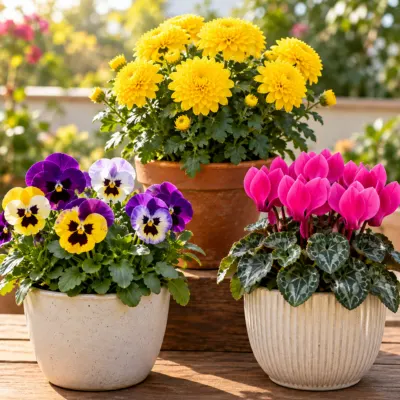
| Flower | Soil | Water | Fertilizer |
|---|---|---|---|
| Marigold | Well-drained loamy soil | 2 times a week | Light compost every 3 weeks |
| Petunia | Well-drained, slightly acidic | 2–3 times /week; avoid soggy soil | Balanced NPK every 2–3 weeks |
| Dahlia | Rich, well-drained soil | 2 times a week, deep watering | Phosphorus-potassium-rich feed |
| Chrysanthemum | Fertile, well-drained soil | 2–3 times a week | Balanced feed every 3 weeks |
| Pansy | Rich, moist, well-drained | 2–3 times a week | Light liquid feed every 2 weeks |
| Calendula | Well-drained average soil | 2 times a week | Minimal, light compost |
| Zinnia | Well-drained loamy soil | 2 times a week | Balanced NPK every 3 weeks |
| Sweet Pea | Rich, well-drained soil | 2–3 times a week | Phosphorus-rich feed at flowering |
These winter-flowering plants in South India bloom thanks to the cool but frost-free air, making this the flowering season most gardeners look forward to.
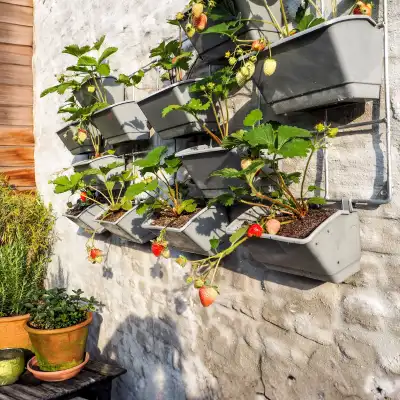
| Fruit | Soil | Water | Fertilizer | Planting Time | Harvest Time |
| Papaya | Well-drained loamy soil | 2 times a week; avoid waterlogging | Balanced NPK every 4–6 weeks | Oct–Dec | 8–10 months after planting |
| Guava | Well-drained loamy soil | 2 times a week, deep watering | Compost + NPK every 2–3 months | Oct–Dec | 12–18 months after planting |
| Banana | Rich, well-drained loamy soil | 2–3 times a week, keep consistently moist | Balanced NPK every month | Oct–Dec | 10–12 months after planting |
| Strawberry | Well-drained, sandy loam, slightly acidic | 3–4 times a week, light watering | Balanced NPK every 2–3 weeks | Oct–Nov | 60–90 days after planting |
Note: Planting and harvest times can vary depending on your city, local temperature, rainfall, elevation, and variety. Adjust the schedule according to your local conditions.
Aphids: Tiny green or black bugs that gather on new buds and shoots on plants and take the sap. Use neem oil diluted with water weekly or every 7-10 days.
Powdery Mildew: A white powdery fungus on leaves, typical in the humid mornings of the South Indian regions. Indoor air circulation should be increased, and if it shows, spray a diluted baking soda solution.
Snails and Slugs: Come out at night and chew on leafy greens and seedlings, Snails and Slugs. Collect in the evening, or use a shallow bowl of beer as a natural trap.
This is the question every gardener asks when they move between regions, and it’s really about winter plant care by region:
Understanding these regional gardening differences in India helps you avoid following advice meant for a different climate – a common mistake with generic gardening blogs written for North Indian winters.
These gardening tips for mild winters in South India will save you time and guesswork:
Winter in South India isn’t about protecting your garden from the cold – it’s about making the most of the one season when the weather finally works with you instead of against you. Prep your soil, pick the right plants, and enjoy the most rewarding gardening months of the year.