Your cart is empty
Explore our collectionsCoupons
Order Summary
Total₹ 0

If you’ve been waiting all through the rains for the weather to settle down, September is your cue. The moment the clouds start clearing and the air turns a little crisp, it’s time to get your hands dirty again. This is genuinely one of the most rewarding stretches for flowers to plant after monsoon – the soil is rich from all the rain, the heat has backed off, and your balcony or terrace is basically begging for some color before winter sets in fully.
In this guide, we’ll walk you through everything: the post-monsoon flowers for Indian gardeners swear by, how to care for them, and how to avoid the usual mistakes that trip up first-time growers.
Marigold is one of the easiest flowers to plant after monsoon. The flowers of marigolds come in bright orange and yellow shades and are a staple of autumn flowering plants India gardens.
Sunlight: 5–6 hours of full sun daily
Watering: Water when the top inch of the soil feels dry
Soil: Well-draining and loamy soil with compost
Fertilizer: Balanced NPK every 2–3 weeks
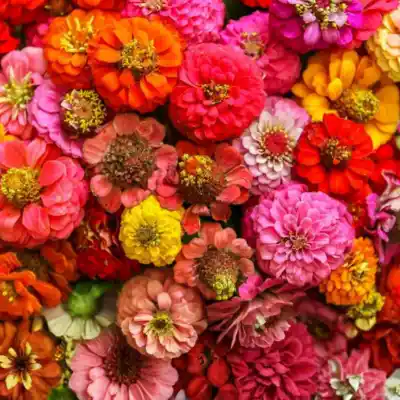
Zinnia is a fast, cheerful bloomer that adds bold color to any post-monsoon flower setup with minimal fuss in India.
Sunlight: Full sun; at least 6 hours is enough
Watering: Moderate; let soil dry slightly between waterings
Soil: Rich, well-drained potting mix
Fertilizer: Low-nitrogen, high-phosphorus fertilizer for blooms
Petunia is a top pick among the best flowers for September October planting, spreading into soft trailing clusters perfect for balcony rails.
Sunlight: 5–6 hours, morning sun preferred
Watering: Keep soil evenly moist, not soggy
Soil: Loose, well-aerated, well-drained soil
Fertilizer: Liquid bloom booster every 2 weeks
Also called stock flower, this fragrant, pastel-blooming plant is a favorite for flowering plants for October gardens.
Sunlight: Full sun to partial shade
Watering: Regular watering; don’t let it dry out fully
Soil: Fertile, well-drained, slightly alkaline soil
Fertilizer: Balanced fertilizer once a month
Calendula, with its warm golden-orange petals, is a hardy, low-maintenance pick for any autumn blooms garden in India.
Sunlight: Full sun
Watering: Moderate; drought-tolerant once established
Soil: Average, well-draining soil
Fertilizer: Light feeding once a month is enough
Sweet Alyssum blooms in small white or purple flowers that look so attractive. The attractive flowers attract people. This make is ideal for monsoon-to-winter flower plants.
Sunlight: Full sun to partial shade
Watering: Keep soil lightly moist
Soil: Well-drained, slightly sandy soil
Fertilizer: Light, balanced fertilizer monthly
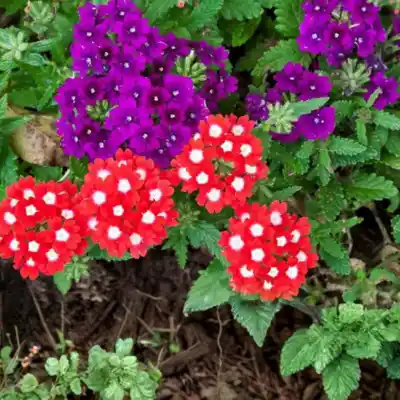
The Verbena is covered with tiny white, purple, red, and blue blooms, spreading a sweet fragrance in the air that looks beautiful and also adds color to your life, so this is popular among flowers that bloom in October and November in India.
Sunlight: Full sun, minimum 6 hours
Watering: Water deeply but infrequently
Soil: Well-draining soil; dislikes wet feet
Fertilizer: Balanced fertilizer every 3–4 weeks
Impatiens does best in shaded corners, making it perfect for autumn flowers for bright indoor spaces.
Sunlight: Partial shade; protect from harsh afternoon sun
Watering: Keep soil consistently moist
Soil: Rich, moisture-retentive, well-draining soil
Fertilizer: Balanced fertilizer every 2–3 weeks
Balsam is a traditional Indian favorite known for its dense clusters of bright blooms, popular in post-monsoon gardening in India.
Sunlight: Full sun to partial shade
Watering: Regular watering; soil should stay slightly moist
Soil: Loamy, well-drained soil
Fertilizer: Mild fertilizer once every 3 weeks
Salvia offers long-lasting color, aromatic foliage, and pollinator appeal. It is a strong pick among the best flowering plants to sow in September for autumn blooms.
Sunlight: Full sun
Watering: Moderate; drought-tolerant once settled
Soil: Well-drained soil
Fertilizer: Light feeding once a month
| Space | Recommended Plants |
| Autumn flowers for balcony | Marigold, Petunia, Sweet Alyssum, Verbena, Dianthus, Pansy, Phlox, Portulaca, Calendula, Nasturtium |
| AutumnAutumn plants for terrace garden | Zinnia, Salvia, Calendula, Balsam, Cosmos, Chrysanthemum, Dahlia, Gaillardia, Marigold, Celosia, Gerbera |
| Autumn Flowers for Bright Indoor Spaces | Impatiens, Petunia, Sweet Alyssum, African Violet, Begonia, Kalanchoe, Cyclamen |
| Outdoor Autumn Plant | Marigold, Zinnia, Matthiola Incana, Verbena, Salvia, Chrysanthemum, Cosmos, Portulaca, Celosia, Dahlia, Gaillardia, Sunflower |
This kind of space-based planning is especially useful if you’re shopping for plants online, since most nurseries now list sunlight and space requirements right on the product page – making it easier to pick what will actually thrive where you intend to keep it.
Choose the right pot size – Don’t cram a growing plant into a tiny pot. Give it room to spread its roots, and make sure there are drainage holes at the bottom, or you’ll end up with root rot before you know it.
Give plants enough sunlight – Most autumn bloomers want 5–6 hours of sun a day, and morning light is usually kinder than the harsh afternoon rays. Keep that in mind when picking a spot for your pots.
Cut back on watering – Once the humidity drops, soil holds moisture much longer than it did during monsoon. Stick your finger an inch into the soil before watering – if it’s still damp, skip it for a day.
Shield plants from cold nights – Especially in North India, evenings start getting chilly by late October. If a cold snap hits, pull your pots closer to a wall or bring them indoors for the night.
Go easy on fertilizer – Plants naturally slow down as the weather cools, so pumping them with fertilizer won’t speed things up – it’ll just stress the roots. Light and occasional feeding is the way to go.
Check that drainage is working – This one gets overlooked a lot. If water is still pooling at the base of the pot after monsoon, fix it now, because stagnant water is one of the quickest ways to kill a healthy plant.
Pinch off dead flowers and leaves – A quick deadheading session every few days pushes the plant to focus on new blooms instead of holding onto old, spent ones.
Keep an eye out for pests – Aphids and mealybugs love this transitional weather. A simple neem oil spray every couple of weeks usually keeps them from becoming a problem.
The problem with this season is that the weather keeps changing: warm afternoons, cold mornings, and sometimes a little leftover monsoon rain. The best thing to do is to be flexible with your plants and not follow a rigid schedule. Observe the soil, observe leaves, and water and sun accordingly – not by a calendar.
Immediately following the end of the rain, the air is still humid, without rain available. It is early spring and the time for fungal problems – ensure pots are well drained and not in trays containing water. Allow the soil to dry out for 1 or 2 days before the next watering; don’t overwater, and don’t keep leaves wet for more than a few hours.
First, remove any monsoon debris and dead leaves or weeds that accumulated during the rainy season. Loosen any compacted soil and add new compost. If pots are being reused, clean them before reuse, as the remaining salts or fungi from the monsoons can have an impact on new plants. After you do this, you can sow seeds or plant out saplings for your fall favorites in your Indian garden.
If you’d rather not spend your weekend running around to different nurseries, Upjau makes things a lot simpler – healthy, garden-ready saplings show up right at your door. Each plant is packed with enough care that it survives the trip without getting damaged, and it comes with simple instructions, so even if you’ve never grown anything before, you’ll know exactly what to do the moment it arrives. It works well whether you don’t have a decent nursery nearby or you just don’t feel like stepping out to shop for your autumn blooms.
And honestly, whether it’s a small balcony corner or a full terrace, this is one of the best times of the year to get planting. Pick the right flowers for October, keep an eye on sunlight and watering, and give it a little patience – your space will be blooming with color long before winter fully kicks in. So go ahead, choose a few plants from this list that suit your space, and get started. Your post-monsoon garden is waiting.
1. How to Plant Flowers After Monsoon for Autumn Blooms?
Loosen the soil, mix in compost, let it dry if waterlogged, then sow seeds or transplant saplings during early morning or evening. Water lightly and consistently for healthy blooms.
2. What Flowers Should I Plant Right After Monsoon in India?
Marigold, Zinnia, Petunia, Calendula, and Salvia are easy, fast-growing choices. Sweet Alyssum and Matthiola Incana add fragrance.
3. Is September a Good Time to Plant Flowers in India?
Yes, September is ideal. Soil stays rich from the monsoon, heat has eased, and plants get enough time to establish before winter, blooming well by October or November.
4. What Flowers Can I Grow in October for Diwali Season Blooms?
Marigold is the classic choice, along with Chrysanthemum, Zinnia, and Celosia. Plant them in September, and they’ll bloom beautifully right around Diwali, perfectly timed for festivities.
5. Can I Plant Marigold and Chrysanthemum Together After Monsoon?
Yes, they pair well since both like full sun, similar watering, and well-drained soil. Their bloom times overlap too, giving a nice combined festive color display.
6. When should I start planting flowers for Diwali?
Start according to the plant’s growing period rather than relying only on the festival date. Fast-growing flowers can be planted closer to the season, while slower plants need more time to establish.