
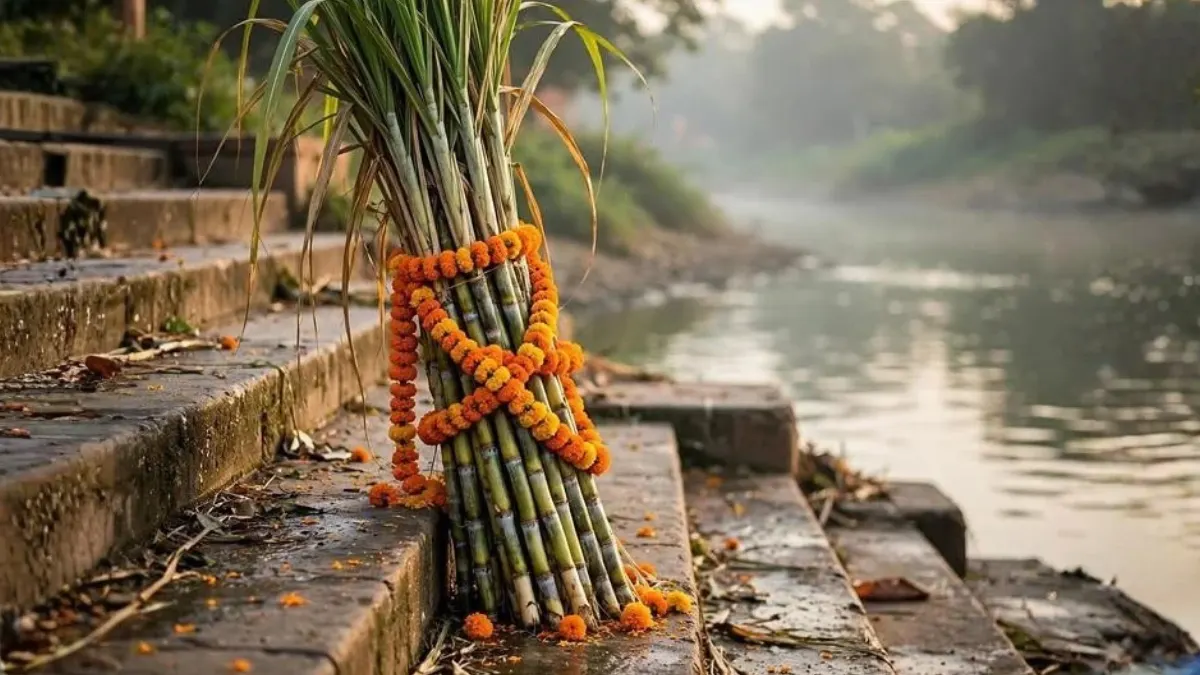
Chhath Puja is not just a festival for many indian families, especially in Bihar, Jharkhand, eastern Uttar Pradesh, and now across in India. It is a feeling. The ghats, the folk songs, the soft smell of thekua frying, and women standing in water at sunset all stay in memory for years. Behind all this beauty is a simple truth: the whole puja depends on nature. Sun, water, fruits, leaves, flowers and stalks are all part of the offering.
That is why more families now want to grow Chhath Puja plants to grow at home instead of hunting for them in a crowded market a day before the festival. Fresh, pure, and home-grown always feels more meaningful. In this blog, we cover the plants for Chhath Puja that you can raise in a garden, on a terrace, or even in a small pot.
Why Chhath Puja Is So Important?
Chhath Puja is a four-day festival dedicated to Surya Dev and Chhathi Maiya. The festival is begins with Nahay Khay, when devotees bathe in a river or pond and eat a simple, sacred meal. The second day is celebrated as Kharna, followed by Sandhya Arghya, the evening offering to the setting sun. The festival ends with Usha Arghya, the morning offering to the rising sun.
Devotees, mostly women but many men too, observe a strict fast that can last 36 hours without even a sip of water. People pray for the health, long life and happiness of their children and family that why it’s the emotion for the devotees. Cleanliness and discipline are at the heart of the puja.
Because purity matters so much, offering things from your own garden adds a special meaning. This is why Chhath Puja special plants are finding a place in more and more homes.
Plants Used in Chhath Puja: Quick Overview
| Plant | Use in Puja | Difficulty |
| Banana | Ripe bunch and leaves in the soop | Medium |
| Tulsi | Sacred plant, leaves in prasad | Easy |
| Sugarcane | Stalks tied and placed at the ghat | Medium |
| Coconut | Offered as arghya | Hard |
| Marigold | Garlands, decoration and offering | Easy |
| Aparajita | Blue flowers for worship | Easy |
| Hibiscus | Red flowers for Surya Dev | Easy |
| Turmeric | Fresh root in the soop | Medium |
| Ginger | Fresh root in the soop | Medium |
| Bottle Gourd | Cooked on Nahay Khay | Medium |
These are the most common plants used in Chhath Puja. Below, each one gets a short description and a simple care guide.
1. Banana Plant
A ripe bunch of bananas is among the most important items in the soop, and the leaves are often used for decoration. It is one of the best Chhath Puja fruits and plants to grow at home, though it needs space and plenty of food.
- Soil: Deep, loamy soil rich in compost. If using a pot, make it at least 20 inches deep.
- Water: Keep the soil lightly moist, but never let water collect around the base.
- Sunlight: 6 or more hours of direct sun daily.
- Fertilizer: Cow dung manure or compost every month, with extra potash when fruiting starts.
- Tip: Bananas take 10 to 14 months to fruit, so plan well ahead.
2. Tulsi Plant
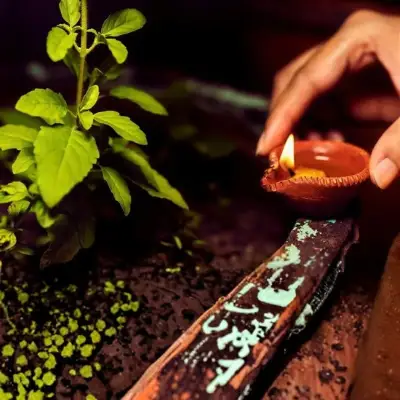
Tulsi is a holy plant. Almost every Hindu home has a tulsi plant, and the tulsi plant for Chhath Puja is kept especially clean and respected. The leaves of Tulsi are added to prasad. It is forgiving and perfect for beginners.
- Soil: Light, loose soil with good drainage. Mix one part compost in soil.
- Water: A little every day in summer, once every 2 to 3 days in winter.
- Sunlight: 4 to 5 hours of sun.
- Fertilizer: A light dose of vermicompost or mustard cake once a month.
- Tip: Pinch off the flower spikes so the plant grows more leaves.
3. Sugarcane
Tall sugarcane stalks tied together at the ghat are one of the most beautiful sights of Chhath. They stand for sweetness and good fortune. It needs room, but once it starts growing it largely looks after itself.
- Soil: Deep, fertile soil with good drainage.
- Water: Twice a week at first, then whenever the soil dries.
- Sunlight: Full sun, 6 to 8 hours a day.
- Fertilizer: Cow dung manure and a nitrogen-rich organic feed every 2 months.
- Tip: Plant cuttings with 2 to 3 nodes lying flat in the soil. Ground planting works better than pots.
4. Coconut Plant
Coconut is offered as part of the arghya and is considered one of the most sacred fruits. Honestly, it is the hardest plant on this list, especially in the northern plains. A dwarf variety can still be tried by patient gardeners.
- Soil: Sandy loam with excellent drainage.
- Water: Regular watering, but never let the roots sit in water.
- Sunlight: Strong sun, 6 to 8 hours.
- Fertilizer: Cow dung manure and a little neem cake twice a year.
- Tip: Protect it from frost and cold winds. Fruiting can take 4 to 6 years.
5. Marigold
The flower of Marigold plant brings colour and tradition together. The beautiful orange and yellow flowers are used in garlands, decorations, and offerings. The plant is easy to grow even a first-time gardener can grow it.
- Soil: Well-drained loamy soil with a little compost.
- Water: Water at the base, not on the flowers. Daily in summer, less in winter.
- Sunlight: 5 to 6 hours of direct sun.
- Fertilizer: Light vermicompost every 15 days before flowering.
- Tip: Remove faded flowers so new buds appear. It blooms in 50 to 60 days from seed.
6. Aparajita
Also known as butterfly pea, Aparajita has deep blue flowers used in worship. It is a climber, so give it a little support and it will flower for most of the year.
- Soil: Light soil with good drainage.
- Water: Moderate. Water when the top layer of soil feels dry.
- Sunlight: 5 to 6 hours of sun.
- Fertilizer: Compost once a month. Avoid too much nitrogen, which gives leaves instead of flowers.
- Tip: Soak seeds overnight before sowing and provide a trellis or string to climb.
7. Hibiscus
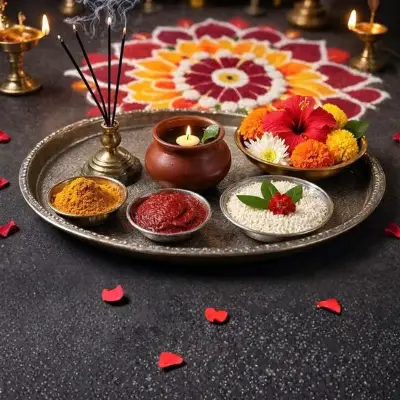
Red hibiscus, or gudhal, is a favourite flower for Surya Dev. A healthy plant can give fresh blooms every morning, which is wonderful during festival days.
- Soil: Well-drained, slightly acidic soil.
- Water: Water deeply, then let the topsoil dry slightly.
- Sunlight: 5 to 6 hours of sun.
- Fertilizer: Potash-rich feed or banana peel water every 15 to 20 days.
- Tip: Wash off aphids with mild soapy water and prune lightly after flowering.
8. Turmeric
Fresh turmeric root is placed in the soil along with ginger. Growing it is rewarding because the real treasure stays hidden underground. It ranks among the best Chhath Puja samagri plants and suits any kitchen garden.
- Soil: Loose, fertile, well-drained soil in a deep pot.
- Water: Keep the soil moist but never muddy.
- Sunlight: Partial shade, with 3 to 4 hours of sun.
- Fertilizer: Cow dung manure or vermicompost every 30 to 40 days.
- Tip: Plant a piece of raw turmeric with a visible bud. Harvest after 7 to 9 months, when the leaves turn yellow.
9. Ginger
Ginger likes the same conditions as turmeric. It also goes straight into your daily chai and cooking, so nothing ever goes to waste.
- Soil: Loose soil mixed with compost. A wide, shallow pot works well.
- Water: Regular watering
- Sunlight: Partial shade. Morning sun is best.
- Fertilizer: Vermicompost or well-rotted leaf compost once a month.
- Tip: Plant with the buds facing up and mulch with dry leaves. Tender ginger is ready in about 4 months
10. Bottle Gourd
Lauki cooked with chana dal is the traditional meal of Nahay Khay and is considered pure and sacred. One healthy vine can produce many gourds, so a single plant is often enough for a family.
- Soil: Fertile, compost-rich soil with good drainage.
- Water: Daily or every other day. Do not let it dry out during flowering.
- Sunlight: Full sun, 6 to 8 hours.
- Fertilizer: Cow dung manure early on, then potash and vermicompost once flowers appear.
- Tip: Provide a strong trellis or net. Young, tender gourds taste best, and fruits are ready in 60 to 70 days.
Chhath Puja Plants for Balcony
No garden? No problem. These Chhath Puja plants for balcony gardens grow well in containers.
| Plant | Pot Size | Sun Needed |
| Tulsi | Medium | 4 to 5 hours |
| Marigold | Medium | 5 to 6 hours |
| Hibiscus | Large | 5 to 6 hours |
| Aparajita | Medium, with trellis | 5 to 6 hours |
| Ginger | Deep and wide | Partial shade |
| Turmeric | Deep and wide | Partial shade |
Chhath Puja Plants for Kitchen Garden
As you all know, if you want to grow vegetables, adding turmeric, ginger and bottle gourd takes almost no extra effort these vegetables grow without any extra effort. These are Chhath Puja plants for kitchen garden spaces that serve both the festival and your daily meals. A small patch next to your coriander and chillies can become your own Chhath Puja plants at home garden corner, and each harvest feels like a small blessing.
How to Grow Chhath Puja Plants at Home: Simple Tips
If you are wondering how to grow Chhath Puja plants at home, these basics will help:
- Start early. Several plants take months, so begin well before the festival.
- Use good soil.
- Keep your plant on a good spot, Most of these plants love sun
- Water wisely. Overwatering kills more plants than neglect does.
- Feed organically.
If the festival is only a few weeks away, focus on flowers that grow quick like marigold and tulsi, and buy healthy hibiscus and Aparajita plants from a nursery. Banana, sugarcane, coconut, turmeric, ginger and bottle gourd need more time, so start them now for next year’s Chhath.
Conclusion: Grow Chhath Puja Plants at Home
If you want to grow Chhath Puja plants at home, growing Chhath Puja special plants at home is a simple way to connect with the spirit of the festival. You do not need a big farm to grow the plants. A few pots, and a little daily care are enough. When you place your own flowers, fruits, or stalks in the soop, the devotion feels deeper, and the puja feels more complete.
So this season, pick one or two plants from this list and begin. Your home garden may soon become the most peaceful corner of your house.
Frequently Asked Questions:
- Which plants can I grow at home for Chhath Puja?
You can grow banana, lemon, sugarcane, and marigold plants at home for Chhath Puja.
- Can I grow sugarcane at home in a pot for Chhath Puja?
Yes, sugarcane can grow in a large pot with enough sunlight, regular watering, and well-draining soil.
- Which fruit plants are used in Chhath Puja?
Banana, lemon, and coconut are commonly associated with Chhath Puja offerings.
- Which flowers are used in Chhath Puja?
Marigold and hibiscus flowers are commonly used for Chhath Puja decorations and offerings.
- How do I grow banana and lemon plants at home for Chhath?
Grow them in suitable pots with well-draining soil, regular watering, and plenty of sunlight. Start early for better growth.
