
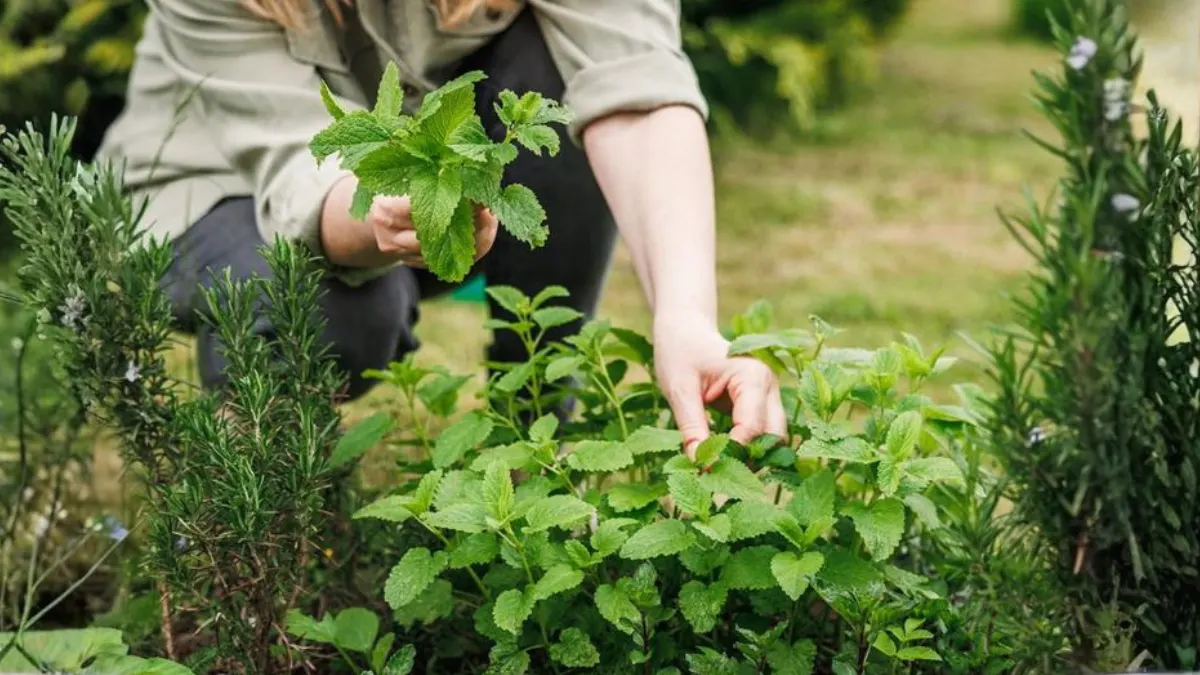
Every year when Navratri arrives, the same rush begins in the markets. Markets are full of crowded, prices of fresh coriander, green chillies, lemons, and sweet potatoes jump, and the quality is often disappointing. What if your own balcony or windowsill could supply a good part of your fasting kitchen?
If you are wondering what you can grow at home for Navratri fasting, and because growing your own vegetables at home is pure and totally organic, this guide is for you. It covers the best fasting-friendly edible plants to grow at home, with simple tips for pots, soil, sunlight, and care, even if you are a complete beginner.
Why Grow Your Own Vrat Ingredients?
Fasting is about purity, simplicity, and mindfulness. Plucking a handful of mint from your own pot for a cooling vrat chaas, or picking a fresh cucumber for a sendha namak salad, adds a special meaning to the ritual.
Here is why vrat plants to grow at home make sense:
- Freshness: Leaves and vegetables harvested minutes before cooking taste better and carry more nutrients.
- Purity: You know that no chemical pesticides were used, which matters when the food is part of a spiritual practice.
- Savings: Herbs and vegetables in demand during festivals are costly. A few pots can pay for themselves in one season.
- Convenience: No last-minute dash to the sabzi mandi when you realise you are out of green chillies.
The idea of home-grown ingredients for Navratri vrat also fits the sattvic way of eating: light, fresh, seasonal, and free from heavy processing.
What Counts as Vrat–Friendly?
Navratri fasting avoids grains such as wheat and rice, along with onion, garlic, and regular salt. Commonly allowed foods include potatoes, sweet potatoes, pumpkin, bottle gourd, raw banana, cucumber, fruits, nuts, dairy, kuttu, singhara, rajgira, and sabudana, seasoned with sendha namak, cumin, green chilli, ginger, and coriander.
Always check what your own family tradition permits. The plants below are widely accepted as edible plants you can use during vrat.
Which herbs can I grow for vrat recipes?
Since onion and garlic are off the table, fresh herbs do the heavy lifting in vrat cooking. The best news is that herbs to grow at home in India are among the easiest plants for any beginner.
1. Coriander (Dhania)
Coriander tops the list of fresh herbs for Navratri recipes to grow at home, lifting aloo sabzi, chutneys, and raita. Sow in a pot 8 inches deep with morning sun, and harvest in 30 to 40 days.
2. Mint (Pudina)
Mint grows from simple stem cuttings and is almost impossible to kill. Use a wide, shallow pot for pudina chutney, raita, and nimbu pani.
3. Curry Leaves (Kadi Patta)

Slow at first, curry leaf is a long-term investment that can feed your kitchen for years. Buy a young sapling and give it plenty of sun for sabudana khichdi tempering.
4. Tulsi (Holy Basil)
Sacred, sattvic, and useful, tulsi belongs in every Indian home. It grows easily from seed, loves sunlight and works well in tea and prasad.
5. Green Chilli
Green chilli is the most important herb that is grown in almost every Indian home. Nearly every vrat dish needs green chilli. Plant one plant in a 12-inch pot with 5 to 6 hours of sun gives fruit in 60 to 70 days.
6. Ginger
Plant a fresh piece with a visible bud in a deep, wide pot. It prefers partial shade and takes 8 to 9 months to mature, so start early.
Vegetables to Grow for Vrat Recipes
If you are looking at vegetables to grow for vrat recipes, focus on crops that fit fasting menus and can handle container life.
1. Cucumber (Kheera)
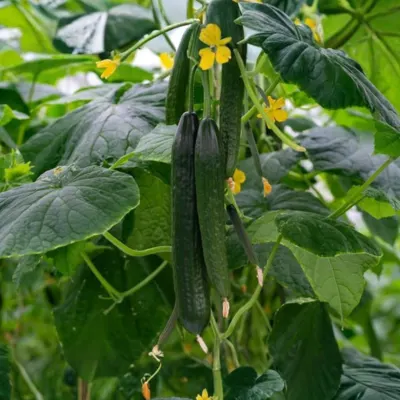
A Navratri hero for salads and raita, cucumber grows fast on a balcony trellis. Expect the first harvest in 50 to 60 days.
2. Bottle Gourd (Lauki)
Light and easy to digest, lauki is perfect for sabzi, kofta and halwa. Give this vigorous climber a net or railing and a big container.
3. Pumpkin (Kaddu)
Kaddu ki sabzi is a great dish for vrat. The vines need full sun, rich soil, and space to trail, with harvest in 90 to 120 days.
4. Sweet Potato (Shakarkand)
Start slips from a sweet potato kept in water, then plant them in deep grow bags. It matures in 3 to 4 months and suits chaat and roasting.
5. Raw Banana
Raw banana makes tikkis, kofta, and chips. It needs a very large pot or terrace patch, and its leaves are also useful in puja.
6. Arbi
Arbi is a popular vrat sabzi that thrives in monsoon and early autumn. Plant tubers in large pots with moist soil, and harvest in 5 to 6 months.
7. Potato
The backbone of vrat cooking, potato grows well in deep grow bags using sprouted seed potatoes. Add soil as it grows, and harvest in 3 to 4 months.
8. Tomato
Tomato suits chutneys and gravies, though some families avoid it. A cherry tomato plant is forgiving in pots and needs six hours of sun.
Which fruit plants can I grow at home in pots?
Fruit is the soul of a fasting diet. If you wish to start your own fruit plants for a home garden in India, these are good picks:
- Lemon / Nimbu: A dwarf lemon in a large pot fruits almost all year. Nimbu pani is a fasting essential.
- Papaya: Fast-growing and productive, it can fruit in 8 to 10 months.
- Guava (Amrood): Dwarf varieties do well in big pots.
- Pomegranate (Anar): Compact and happy in sunny, dry spots.
- Fig, Mulberry and Strawberry: Suitable for small spaces and perfect for snacking.
These fruit plants for fasting days provide natural energy, hydration, and fibre when you need them most.
Balcony Gardening: Making the Most of Small Spaces
Not everyone has a garden, but a well-planned balcony can grow a surprising amount of food. Here are tips for edible plants for balcony garden setups.
Choose the Right Containers
For edible plants in pots for apartments, use grow bags, recycled buckets, or terracotta and plastic pots with drainage holes. Herbs need 6 to 8 inches of depth, while root crops and fruit plants need 12 to 18 inches or more.
Make the Most of Vertical Space
For edible plants on a small balcony in India, vertical gardening is a game changer. Use wall planters, hanging baskets and railing pots, and let cucumber and lauki climb strings and nets.
Pick Fast Growers
If Navratri is just weeks away, choose fast-growing edible plants for your balcony:
- Coriander: 30 to 40 days
- Mint: 3 to 4 weeks from cuttings
- Green chilli: about 60 to 70 days to fruit
- Cucumber: 50 to 60 days
Match Plants to Sunlight
Chilli, tomato and lemon need 5 to 6 hours of sun, while mint and coriander are happy with 3 to 4 hours.
Easy Edible Plants for Beginners
New to gardening? Start with easy edible plants for beginners that forgive mistakes:
- Mint: Grows from cuttings and survives neglect.
- Coriander: Quick results build confidence.
- Green chilli: Productive and low maintenance.
- Tulsi: Hardy and meaningful.
- Cucumber: Fast and satisfying with a simple trellis.
- Lemon (dwarf): Slow to start but very rewarding.
Begin with three or four plants rather than twenty, and expand once you understand their needs.
A Simple Sattvic Kitchen Garden Plan
For sattvic kitchen garden ideas, think of your garden as a source of light, clean, nourishing food:
- Herb corner: Tulsi, mint, coriander, curry leaves
- Vegetable corner: Cucumber, lauki, green chilli, tomato
- Root corner: Ginger, sweet potato, arbi, potato
- Fruit corner: Dwarf lemon, papaya, guava
This kitchen garden plant layout for India gives variety without needing acres of land. Keep it chemical-free and nourish the soil with compost, cow-dung manure, or vermicompost.
Soil, Water and Care: The Basics
Soil: Mix garden soil, compost, and cocopeat in roughly equal parts for a light, well-draining mix.
Water: Water in the morning or evening, and only when the top inch of soil feels dry. Overwatering kills more plants than neglect.
Feeding: Add vermicompost every 3 to 4 weeks. Diluted buttermilk or banana-peel water gives a gentle boost.
Pests: A few drops of neem oil in water control most pests naturally.
Start Your Own Vrat Kitchen Garden at Home:
You don’t need a big garden or big space for gardening. What you have to do is take a few pots, one sunny corner and a little patience are enough to start your own small fasting food plant garden in India, the kind that quietly supports you every Navratri and long after it.
Mint, coriander, green chilli, and tulsi are the perfect if you want to start gardening and you are a beginner. Once these plants are settled in, try cucumber, a dwarf lemon and some sweet potato. Before you know it, your balcony will be giving you Navratri vrat ingredients to grow at home and enjoy fresh, and it will turn into a little green spot where you can enjoy a few minutes each day.
Frequently Asked Questions:
- Can I grow vegetables for vrat at home?
Yes, you can. Cucumber, lauki, pumpkin, sweet potato, and potato grow well in large pots or grow bags, and they are all commonly used in vrat cooking. - Which plants grow in 30 days at home?
Coriander, mint, amaranth, and methi leaves are ready in about 30 days. They grow well in small pots with just 3 to 4 hours of sunlight.
- What can I grow at home for Navratri fasting?
You can easily grow coriander, mint, tulsi, green chilli, ginger, cucumber, lauki, pumpkin, and sweet potato. Add a dwarf lemon or papaya if you want fruit for your fasting days too.
- Can I grow vrat ingredients in a small balcony or apartment?
Yes. With grow bags, railing planters, hanging baskets, and a simple trellis, edible plants in pots for apartments can give you a surprising amount of fresh produce.
- How much sunlight do edible plants need?
Fruiting plants like chilli, tomato, and lemon need 5 to 6 hours of direct sunlight. Mint, coriander and tulsi manage well with 3 to 4 hours. Ginger prefers partial shade. - Are potatoes, sweet potatoes and arbi allowed during vrat?
Potato, sweet potato, arbi, pumpkin, lauki, and raw banana are commonly eaten during Navratri fasting.
