
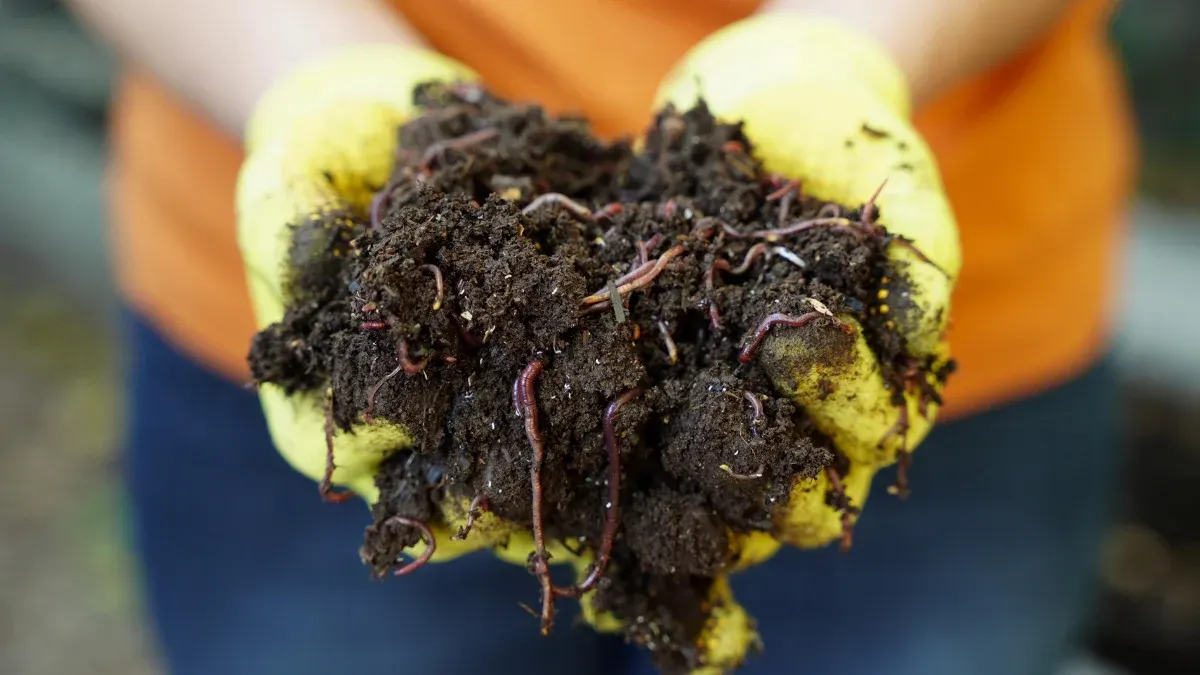
Healthy soil is like a blessing for good plant growth, especially if you want to skip harsh chemicals. Vermicompost fits right in. You can make vermicompost at home in India using simple kitchen scraps and get high-quality organic compost for healthier plants, vegetables, and flowers.
Now, if you’re curious about how to make vermicompost at home in India, we are here to guide you step by step. This detailed guide will help you understand the complete vermicomposting method using kitchen waste.
Vermicomposting at home in India is a natural process of converting kitchen waste into nutrient-rich compost using worms like red wigglers and Indian blue worms. It usually takes 30 to 45 days and requires a ventilated container, organic waste, and proper moisture control.
What is Vermicomposting?
You turn waste into organic compost that helps your garden produce healthy, organic veggies. Worms handle organic scraps. They churn out nutrient-packed castings. These castings improve soil structure and support healthy plant growth. Peels from vegetables in your kitchen bin transform into gentle yet powerful food for plants.
Vermicompost Benefits for Plants
One of the top reasons is that vermicompost is packed with helpful microbes and helps plants absorb nutrients easily.
Vermicompost benefits for plants:
- Builds better soil structure
- Holds moisture longer
- Grows strong roots
- Sparks more flowers and fruit
- Fires up soil microbes
Vermicompost acts like a steady boost for soil. Your plants perk up quickly.
Best Worms for Vermicomposting in India
You want composting that works smoothly and quickly. Pick the right worms because not every earthworm suits the process.
Best worms for vermicomposting:
- Red wigglers (Eisenia fetida)
- Indian blue worms (Perionyx excavatus)
These worms thrive in organic waste bins, consume kitchen waste quickly, and multiply fast in Indian conditions.
Vermicompost Method Step by Step
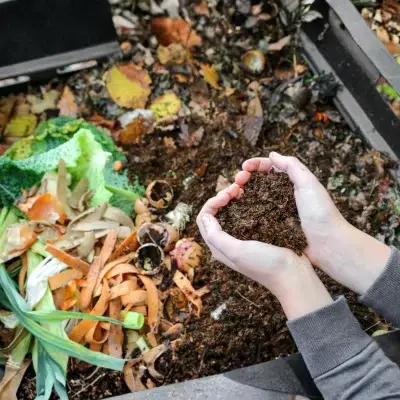
Step 1: Set Up Your Compost Container
Pick a breathable container like a clay pot or ventilated bin. Add small holes for airflow. Worms and microbes need oxygen. Moisten it lightly.
Step 2: Bedding Setup
Use dry leaves, twigs, or shredded paper. Spread 4–6 inches evenly. This helps maintain moisture and protects worms.
Step 3: Add Kitchen Waste
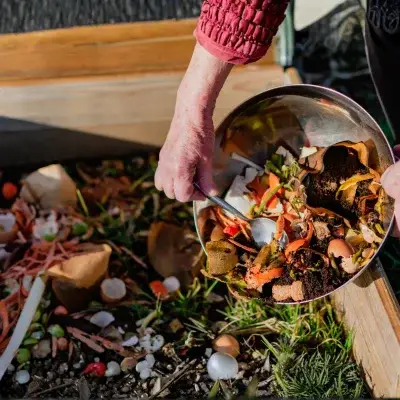
Add vegetable peels, fruit scraps, and tea leaves. Chop into small pieces for faster decomposition.
Step 4: Add Worms
Place worms on top. They will move down naturally and start consuming the waste.
Step 5: Layering
Alternate between green waste and brown material. Always keep brown material on top.
Step 6: Add Microbes
Add a little curd or buttermilk to boost microbial activity and speed up composting.
Step 7: Maintain Ideal Conditions
Keep the container in shade. Avoid direct sunlight and heavy rain. Maintain moisture like a squeezed sponge.
Step 8: Wait for Composting
Vermicomposting usually takes 30–45 days in warm Indian climates.
Step 9: Harvest Compost
Finished compost looks dark, crumbly, and smells like fresh soil.
Materials Required for Vermicomposting
This is where kitchen waste composting at home begins.
Good materials include:
- Vegetable peels
- Fruit scraps
- Tea leaves
- Crushed eggshells
- Dry leaves
Avoid:
- Oily food
- Spicy leftovers
- Plastic
- Large hard seeds
Best Container for Vermicomposting at Home
Both plastic bins and clay pots work well, but clay pots are better for Indian climates as they regulate moisture naturally.
Before starting:
- Keep the container moist
- Add drainage holes
- Ensure airflow
How Long Does Vermicomposting Take in India?
Under warm conditions, compost usually forms within 30 to 45 days. Cooler weather may stretch the process to around two months.
When ready, the compost will look:
- Dark
- Crumbly
- Soil-like
- Earthy in smell
That is the signal that the compost is ready to use.
Common Mistakes to Avoid in Vermicomposting
- Adding oily or spicy food
- Overwatering the compost
- Keeping it in direct sunlight
- Not maintaining proper airflow
- Disturbing worms frequently
How to Use Vermicompost for Plants
Kitchen waste composting at home becomes a powerful soil booster.
A small amount goes a long way.
Use it in several ways:
- Mix it into garden soil.
- Add a handful to plant pots.
- Blend it with a potting mix for seedlings.
Plants respond quickly. Leaves look greener. Flowers appear stronger.
So a small kitchen scrap becomes something valuable.
Let’s choose Vermicomposting to build a healthy garden.
Vermicomposting at home in India offers a simple and effective way to achieve healthy garden goals. Grab a small container and a few compost worms. Add everyday kitchen scraps. This kitchen waste composting process turns waste into nutrient-rich vermicompost. Plants grow stronger, leaves turn greener, and flowers bloom brighter.
If you want ready-to-use organic compost, you can also explore quality options to buy vermicompost online in India from Upjau, the best online plant nursery in India . This vermicompost helps enrich the soil naturally and supports strong, healthy plant growth.
Start improving your soil today with vermicomposting at home. Feed your garden naturally and watch every plant grow with strength and vitality.
FAQs
Q: What materials should you avoid in vermicompost?
Avoid adding oily foods, spicy waste, plastic, and big hard seeds in vermicomposting at home. These materials slow down the composting process and disturb the balance of worms and microbes.
Q: How can vermicompost be used for plants?
Vermicompost can be mixed into garden soil or added to pots as an organic fertilizer. Even a small amount improves soil fertility, boosts plant growth, and supports healthier roots.
Q: Can vermicomposting be done in small spaces?
Yes, vermicomposting at home in India can easily be done in small spaces like balconies or corners using a compact compost bin. It requires minimal space and gives excellent results.
