
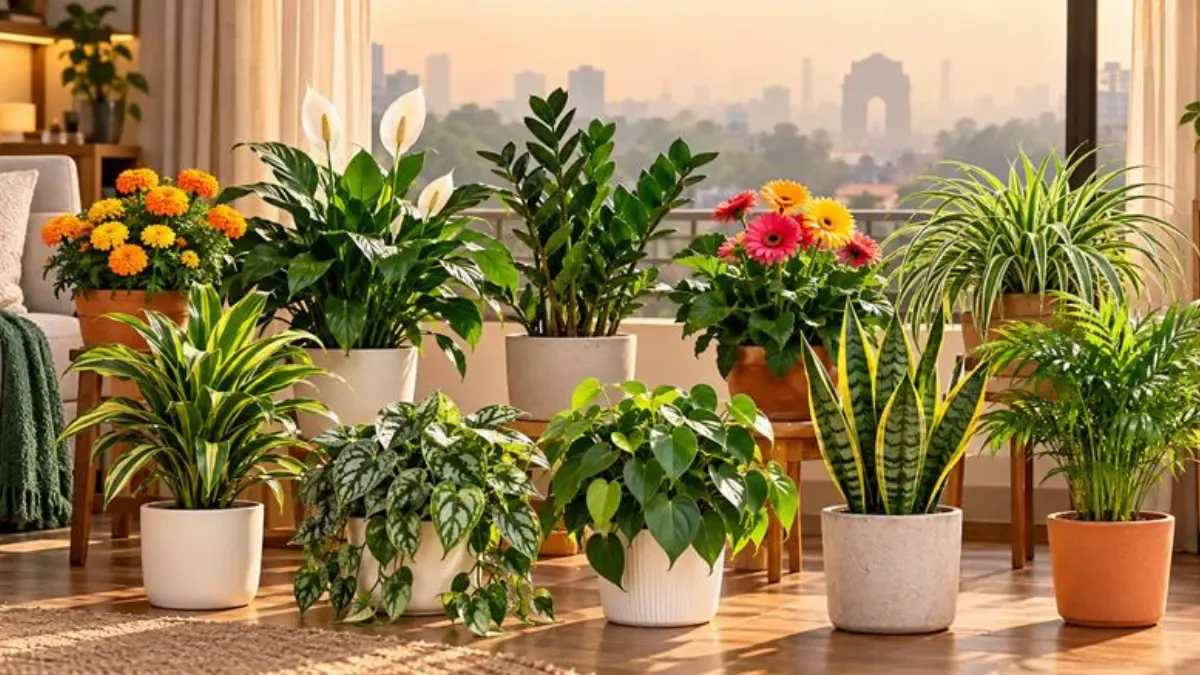
Diwali nights are so magical – Diyas, sweets, colorful lights, and firecrackers everywhere. But the next morning after Diwali tells a different story. Delhi’s people wake up to a hazy and smoky morning sky. This has quietly become an annual ritual now – celebrate the festival of lights first, then spend the following week struggling to breathe.
When the air outside is this toxic and completely out of our individual control, the one thing we can actually do something about is the air quality inside our own homes. And that’s exactly why searches for air-purifying plants, plants for Delhi smog, and indoor plants to clean air after Diwali crackers spike every single year right after the festival ends.
In this guide, we’ll look at indoor plants that can make your home greener and more pleasant during Delhi’s post-Diwali smog.
What the Data from Previous Years Tells Us
Here’s how Delhi’s AQI has moved around Diwali over the last few years:
| Year | Chhoti Diwali AQI | Diwali Day AQI | Day After Diwali AQI |
| 2025 | 296 | 345 | 362 |
| 2024 | 328 | 339 | 316 |
| 2023 | 220 | 218 | 358 |
| 2022 | 259 | 312 | 303 |
| 2021 | 314 | 382 | 462 |
Diwali 2025 turned out to be the most polluted in the last five years, with average PM2.5 levels touching 488 micrograms per cubic metre — nearly three times higher than pre-festival days. In 2023, one analysis found a 42 percent jump in AQI right after Diwali, while another report noted PM2.5 and PM10 rose by 45 percent and 33 percent respectively compared to the previous year. For context, WHO’s safe PM2.5 limit is just 15 micrograms per cubic metre over 24 hours — Delhi’s post-Diwali readings often cross that by ten to fourteen times.
What Happened to Delhi’s Air After Diwali 2025?
This year was no different. Diwali 2025 turned out to be the worst in the last five years, with the average PM2.5 level hitting 488 micrograms per cubic metre – nearly three times higher than pre-festival days. While one minister claimed the AQI rose only 11 points after Diwali, the actual ground data tells a harsher story – according to CPCB, Delhi’s AQI stood at 296 on Chhoti Diwali, jumped to 345 on Diwali night, and further climbed to 362 the next day, firmly in the “red zone.”
Can Indoor Plants Really Help During Delhi’s Smog?
Since we can’t control the outdoor pollution, focusing on indoor air quality is the smartest move. Ever since NASA’s famous Clean Air Study, indoor plants have been recommended for reducing PM2.5 and other toxic gases indoors. These plants aren’t a full replacement for clean outdoor air, but they genuinely help – especially during those days when you have no choice but to keep your windows shut because of the smog.
Best Plants for Post-Diwali Pollution in Delhi
1. Marigold
You probably already have a few of these around from Diwali decorations, and the good news is you don’t need to throw them away. Marigold is known to absorb sulphur dioxide and other harmful gases reasonably well, so let it stay on your balcony a little longer than just the festival.
Soil: Well-drained, loamy soil
Water: Moderate; water when topsoil feels dry
Sunlight: Full sun, at least 5-6 hours daily
Fertilizer: Balanced liquid fertilizer once every 2-3 weeks during growth season
2. Snake Plant
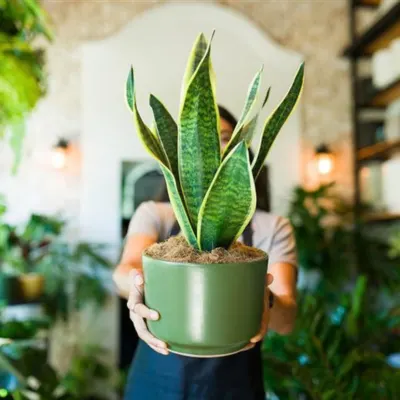
The snake plant is one of the most reliable, low-maintenance air-purifying plants. The plant releases oxygen even at night, making it a great fit for bedrooms.
Soil: Well-draining sandy or cactus mix
Water: Low; water only when soil is completely dry
Sunlight: Low to bright indirect light
Fertilizer: Diluted succulent fertilizer once a month; skip in winter
3. Peace lily
Its lush foliage and white flowers make it a popular indoor plant, and it can tolerate moderate indoor light.
Soil: Rich, well-draining potting mix
Water: Keep soil lightly moist
Sunlight: Low to medium indirect light
Fertilizer: Balanced houseplant fertilizer every 6-8 weeks
4. ZZ Plant
The plant survives comfortably with minimal water and light, making it popular for homes and offices alike.
Soil: Well-draining, slightly sandy potting mix
Water: Very low; let soil dry out completely between waterings
Sunlight: Low-light tolerant; avoid direct sun
Fertilizer: Light feeding once every 2-3 months is enough
5. Areca Palm
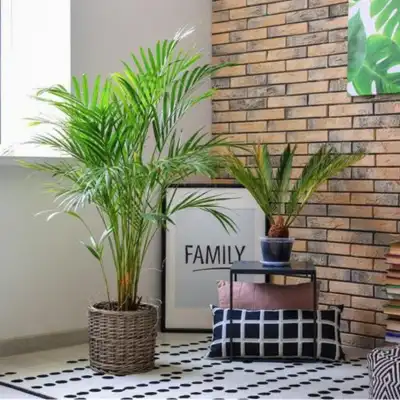
This plant works as a natural humidifier, adding moisture back into dry, dusty winter air.
Soil: Well-draining, peat-based potting mix
Water: Moderate; keep soil consistently moist, not soggy
Sunlight: Bright, indirect light
Fertilizer: Balanced liquid fertilizer monthly in growing season
6. Gerbera (Gennia)
This plant is perfect because of its bright, colourful flowers that continue releasing oxygen through the night.
Soil: Well-draining, slightly acidic soil
Water: Moderate; avoid wetting the leaves directly
Sunlight: Bright light, some direct sun
Fertilizer: Phosphorus-rich fertilizer every 2-3 weeks while blooming
7. Spider Plant
Easy to grow and nearly impossible to kill, absorbing carbon monoxide and xylene along the way.
Soil: Loose, well-draining potting mix
Water: Moderate; keep soil evenly moist
Sunlight: Bright, indirect light
Fertilizer: Balanced liquid fertilizer once a month
8. Brazilian Wood (Dracaena)
The plant has tall, glossy leaves that add instant aesthetic appeal in any corner and also help to reduce formaldehyde.
Soil: Well-draining potting mix
Water: Low to moderate; let topsoil dry between waterings
Sunlight: Low to medium indirect light
Fertilizer: Light liquid fertilizer every 6-8 weeks
9. Satin Money Plant
The plant absorbs carbon monoxide and formaldehyde, with its satin-textured leaves for a premium look and also gives a perfect look to your space.
Soil: Well-draining, peat-based mix
Water: Moderate; water when topsoil feels dry
Sunlight: Bright, indirect light
Fertilizer: Balanced fertilizer every 4-6 weeks in growing season
10. Oxycardium (Philodendron)
Heart-shaped leaves and efficient filtering with very little maintenance required, a great everyday pick from this list of best plants for post-Diwali pollution in Delhi.
Soil: Rich, well-draining potting mix
Water: Moderate; keep soil lightly moist
Sunlight: Medium, indirect light
Fertilizer: Balanced liquid fertilizer once a month
11. Boston Fern
Boston Fern prefers humid conditions and can add a lush, fresh look to indoor spaces during Delhi’s dry winter months.
Soil: Moist, humus-rich potting mix
Water: High; keep soil consistently moist
Sunlight: Indirect light in a humid spot, away from direct sun and dry heaters
Fertilizer: Balanced liquid fertilizer every 4-6 weeks during growing season
12. Rubber Plant
The Rubber Plant PM2.5 Delhi benefit comes from its broad, waxy leaves that are excellent at trapping dust and airborne particles indoors. It’s also fairly hardy, making it a good statement plant for people who want visible impact without too much daily effort.
Soil: Well-draining potting mix
Water: Moderate; water when the top inch of soil feels dry
Sunlight: Bright, indirect light
Fertilizer: Balanced liquid fertilizer every 4-6 weeks during growing season
How to Keep Your Indoor Plants Healthy During Delhi Smog?
- Wipe leaves regularly.
- Don’t overwater plants.
- Keep drainage holes clear.
- Don’t keep plants directly beside a smoky window.
- Avoid letting soil remain constantly wet.
- Clean plant leaves regularly
- Don’t use plants as a replacement for proper indoor air filtration.
Common problems and easy solutions:
| Problems | Likely Cause | Easy solutions |
| Yellowing leaves | Overwatering or poor drainage | Let soil dry out fully before next watering |
| Brown, crispy leaf tips | Low humidity or too much direct sun | Mist leaves occasionally; move away from harsh direct sunlight |
| Drooping or wilting | Underwatering or root stress after repotting | Water thoroughly and check for a consistent watering schedule |
| Dusty, dull leaves | Indoor pollution and dust settling on leaves | Wipe leaves weekly with a damp cloth to keep pores unclogged |
| Slow or no growth | Insufficient light or lack of fertilizer | Move to a brighter spot and feed once a month during growing season |
| Fungus gnats or small flies | Overly wet soil | Let soil dry between waterings and avoid standing water in trays |
| Leggy, stretched-out growth | Not enough light | Rotate plant toward light source or shift closer to a window |
A Greener Way to Improve Your Indoor Space:
Delhi’s post-Diwali smog isn’t going away anytime soon, and no amount of houseplants for clean air can fully undo the effects of firecracker smoke, vehicle emissions, and stubble burning combined. But a well-placed green corner at home – a Snake Plant in the bedroom, a Boston Fern in a humid corner, a Rubber Plant near the hallway – genuinely helps improve indoor air quality while making your space feel calmer too. If you’re anywhere in Delhi-NCR, keeping a few of these pollution-reducing plants around is one of the simplest steps you can take right after Diwali to protect your lungs a little better.
Frequently Asked Questions:
1. Which indoor plants are best for Delhi homes after Diwali smog?
Snake Plant, Peace Lily, ZZ Plant, Areca Palm, Spider Plant, Rubber Plant, Philodendron and Boston Fern are good indoor choices. They also add greenery and make your home feel fresher.
2. Can indoor plants remove Diwali pollution from the air?
Indoor plants can help with certain indoor air pollutants, but they cannot remove heavy Diwali smoke or PM2.5 on their own. For better indoor air, proper ventilation and air filtration are more effective.
3. Which plant is best for a bedroom during Delhi smog?
Snake Plant is a popular choice for bedrooms because it needs little care and tolerates lower light. You can also keep a ZZ Plant or Spider Plant if your room gets suitable indirect light.
4. How many plants should I keep at home to reduce indoor pollution?
There is no fixed number of plants that can safely remove Delhi’s smog from a home. Instead of filling a room with plants, focus on healthy plants, clean leaves, good airflow and proper indoor air filtration.
5. How should I care for indoor plants during Delhi’s winter smog?
Wipe the leaves regularly to remove settled dust, avoid overwatering, and make sure pots have proper drainage. Keep plants away from smoky windows and give them enough indirect light for healthy growth.
