
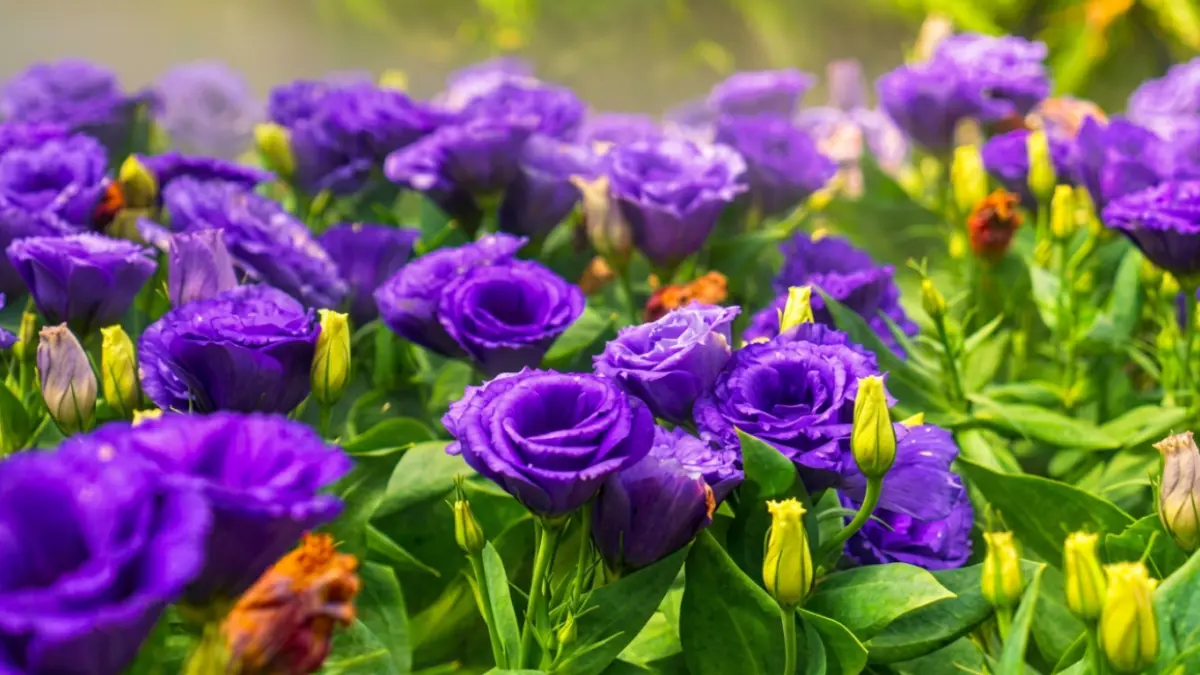
If you’re searching for a flower that’s got all the poise of a rose but brings that wildflower energy, Lisianthus (yep, also called Eustoma) is a total winner. These delicate rose lookalikes show up in every color you can imagine, white, pink, purple, lavender, and some cool bicolors. Plus, they stick around for ages in vases.
Though they’re originally from North America, people in India are really catching on to Lisianthus. Florists love them, gardeners obsess over them, and you’ll see them in fancy bouquets, wedding decorations, or just showing off in the home garden. Get your Lisianthus Plant Care right and you can have these beauties in pots, on balconies, terraces, wherever your heart wants.
Looking to grow beautiful Lisianthus flowers at home? You can start with healthy nursery-grown saplings instead of waiting for seeds to germinate. Explore our Lisianthus / Eustoma / Nandini Flower Plant (Sapling) or choose a Lisianthus/Eustoma Combo Plant Sapling (8pcs) and Lisianthus/Eustoma Combo Plant Sapling (12pcs) for a colourful flower display in your garden, balcony, or terrace.
Here’s a full-on Lisianthus Growing Guide, everything from planting to blooming, plus a quick fix for problems along the way.
Interesting Facts About the Lisianthus Flower Plant
- Lisianthus basically scams people into thinking it’s a rose (layers for days, super fancy).
- The official plant name? Eustoma grandiflorum (yeah, try saying that fast).
- In flower language? It means “appreciation,” “gratitude,” and a bit of that “I’ve got charisma” feel.
- One stem, can give you multiple flowers. It’s really putting in the work.
- Florists are obsessed because Lisianthus flowers can hang around looking good for two weeks after cutting.
- Unlike half the flowering plants out there, they keep on blooming even when it gets warm.
- There are both single and double petal types, so pick your favorite.
- Globally, it’s kind of a big deal in the ornamental flower scene.
Popular Lisianthus Varieties in India
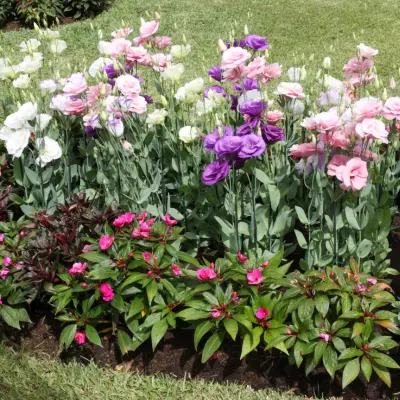
Lisianthus flowers are available in a wide range of colours and petal forms. Choosing the right variety can help you create a more vibrant balcony, terrace, or home garden.
White Lisianthus
Popular for weddings, floral arrangements, and elegant garden displays.
Pink Lisianthus
Produces soft pink blooms that look similar to garden roses.
Purple Lisianthus
One of the most popular colours among home gardeners due to its rich and vibrant appearance.
Lavender Lisianthus
Known for its delicate pastel shades and long-lasting flowers.
Double-Petal Lisianthus
Features multiple layers of petals, giving the blooms a premium rose-like appearance.
Bicolour Lisianthus
Displays contrasting colours on petals and edges, creating a unique ornamental effect.
Eustoma Plant Care in India
| Requirement | Care Guide |
| Soil | The best soil for Lisianthus plant: Well-draining mix, loaded with organic matter. Blend up garden soil, some compost, and cocopeat. |
| Water | Wait till the top layer is dry; don’t drown it. |
| Sunlight | Needs about 4 to 6 hours of direct sun. No shady corners, please. |
| Fertiliser | Hit it with balanced liquid fertiliser every 2 to 3 weeks during the growing season. |
| Pests | Watch out for aphids, spider mites, thrips. They’re sneaky. |
| Pruning | Snip old flowers so new ones keep coming. |
| Maintenance | Moderate. Regular food and water. Nothing extreme. |
How to Grow and care for the Lisianthus Plant in pots in India
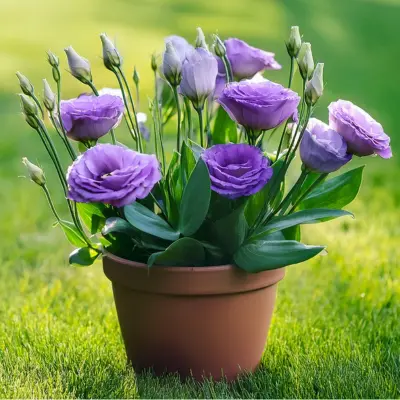
Go for one that’s at least 8 to 12 inches deep, and yeah, make sure there are drainage holes.
- Prepare the Soil
Lisianthus doesn’t do heavy soil. Go for:
– 40% garden soil
– 30% compost/vermicompost
– 30% cocopeat
You can start with seeds (if you like waiting forever) or just get some nice healthy saplings from the nursery, way easier.
Put your pot where it catches morning sun and bright indirect light till afternoon. Getting this wrong? No flowers for you.
Water only when the top inch is dry. Too much water? Might as well say bye to the plant.
Boost the plant with a flowering fertiliser every few weeks.
This isn’t rocket science. Honestly, anyone curious about growing Eustoma or just wanting balcony flowers, this approach is golden.
How to Grow Lisianthus from Seeds
Growing Lisianthus from seeds requires patience, but it is highly rewarding for gardening enthusiasts.
Seed Sowing Steps
- Fill seed trays with a fine seed-starting mix.
- Sprinkle the seeds on the surface without burying them deeply.
- Keep the soil lightly moist using a spray bottle.
- Maintain temperatures between 18°C and 24°C.
- Place trays in bright indirect light.
- Germination usually takes 10–20 days.
- Transplant seedlings once they develop 4–6 true leaves.
Seed Growing Tips
- Use fresh seeds for better germination.
- Avoid overwatering.
- Provide adequate airflow around seedlings.
- Start seeds during the cooler months in India.
Flowering of the Eustoma Flower Plant
Lisianthus is all about those jaw-dropping flowers. You generally see the flowering season of Lisianthus in India during the cooler months, basically, late winter to early summer, but it’ll always depend on your local weather and when you plant.
Lisianthus Flowering Season in India
The flowering season of Lisianthus in India depends on local climate conditions.
| Region | Flowering Period |
|---|---|
| North India | February – May |
| West India | January – April |
| South India | December – March |
| Hill Stations | March – June |
For best results, plant Lisianthus during the cooler months so the plants establish themselves before flowering begins.
How to Make Lisianthus Bloom More – Flower Care
- Make sure it gets 4 to 6 hours of sun, daily.
- Use a fertiliser with plenty of phosphorus when buds start showing.
- Don’t overdo nitrogen fertilisers or you’ll grow leaves, not flowers.
- Remove faded flowers regularly.
- Watering game has to be on point, not too wet, not bone dry.
Lisianthus Fertiliser Schedule
Proper feeding encourages healthy growth and abundant flowering.
During Early Growth
Apply a balanced NPK fertiliser every 2–3 weeks.
During Bud Formation
Switch to a phosphorus-rich flowering fertiliser to encourage larger blooms.
During Peak Flowering
Continue feeding every 2–3 weeks at half strength.
Avoid
- Excess nitrogen fertilisers
- Over-fertilising during extreme summer heat
Fragrance
So, if you like a strong-smelling flower, sorry, that’s not Lisianthus. They’re subtle when it comes to scent, but man, do they make up for it with looks and staying power.
Common Problems & Easy Solutions
| Problem | Possible Cause | Easy Solution |
| Yellow leaves | Overwatering | Reduce watering and improve drainage |
| Root rot | Waterlogged soil | Repot in well-draining soil |
| No flowers | Lack of sunlight or excess nitrogen | Increase sunlight and use flowering fertiliser |
| Weak stems | Insufficient light | Move plant to a brighter location |
| Aphid attack | Pest | Neem oil spray weekly works |
| Wilting | Underwatering or heat stress | Water consistently and provide afternoon shade |
| Bud drop | Sudden temperature changes | Maintain stable growing conditions |
Common Diseases of Lisianthus Plant
While Lisianthus is relatively easy to maintain, some diseases may affect growth.
Root Rot
Cause: Excess moisture and poor drainage.
Solution: Improve drainage and reduce watering frequency.
Powdery Mildew
Cause: High humidity and poor air circulation.
Solution: Improve airflow and remove affected foliage.
Botrytis Blight
Cause: Wet foliage and cool damp conditions.
Solution: Avoid overhead watering and remove infected flowers.
Leaf Spot
Cause: Fungal infections.
Solution: Maintain proper spacing and avoid excessive moisture.
Summer Care for Lisianthus in India
Indian summers can be harsh for Lisianthus plants.
Summer Protection Tips
- Provide afternoon shade during extreme heat.
- Water early in the morning.
- Mulch the soil surface to retain moisture.
- Avoid fertilising heavily during heat waves.
Following these steps helps reduce heat stress and improves flowering performance.
Winter Care for Lisianthus
Lisianthus thrives during cooler weather.
Winter Care Tips
- Ensure the plant receives sufficient sunlight.
- Reduce watering frequency.
- Remove damaged leaves and spent flowers.
- Continue light fertilisation if the plant is actively growing.
Lisianthus vs Ranunculus: Which Flower is Better for Indian Gardens?
Since both flowers are highly sought after by gardeners and florists, many buyers compare them before purchasing.
| Feature | Lisianthus | Ranunculus |
|---|---|---|
| Flower Appearance | Rose-like blooms | Multi-layered blooms |
| Flowering Duration | Longer | Moderate |
| Heat Tolerance | Better | Prefers cooler temperatures |
| Vase Life | Up to 2 weeks | Around 7–10 days |
| Maintenance | Moderate | Moderate |
| Best For | Long-lasting flowers | Spring flower displays |
Which One Should You Choose?
Choose Lisianthus if you want longer-lasting blooms, better heat tolerance, and flowers suitable for bouquets.
Choose Ranunculus if you love densely layered flowers and cooler-season displays.
Many gardeners grow both together to enjoy an extended flowering season.
While Lisianthus is known for its long-lasting flowers and better heat tolerance, Ranunculus is loved for its densely layered petals and vibrant colours. If you’d like to grow Ranunculus at home, explore our Ranunculus flower bulb combo or choose from beautiful varieties such as Pink Ranunculus, Red Ranunculus, White Ranunculus, and Purple Ranunculus flower bulbs.
Why Buy Lisianthus Plants from Upjau?
At Upjau, every plant is grown with care to help gardeners succeed. Benefits of buying from Upjau:
- Healthy and well-established plants and rooted saplings
- Carefully packed for safe delivery
- Expert growing guidance
- High-quality flowering varieties
- Suitable outdoor plants for balconies, terraces, and home gardens
- Trusted source for ornamental and flowering plants
Looking to Buy Lisianthus Plant Online India? Upjau , the best online plant nursery in India, makes it easy to bring this elegant flowering beauty into your home garden. Get your Lisianthus Plant for your Home Gardens from us and you’ll not regret it!
Monthly Lisianthus Care Calendar for India
| Month | Activity |
|---|---|
| October | Plant seeds and saplings |
| November | Active vegetative growth |
| December | Fertilise and monitor growth |
| January | Bud formation begins |
| February | Flowering starts |
| March | Peak flowering |
| April | Continue deadheading |
| May | Protect from summer heat |
| June–September | Reduce watering and prepare for next season |
Lisianthus is honestly one of the prettiest plants you can stick in your home garden. Looks like a rose, goes on blooming forever, and comes in colors that’ll make your friends jealous. Get the soil right, be consistent with your watering, and plant it where there’s enough sunlight, and boom, it’s showtime. Looking for Growing Eustoma flowers at home? You should probably follow our Lisianthus balcony gardening guide here, and you’ll end up with an amazing garden with the right Lisianthus plant maintenance. Whether you’re after lush balcony pots or a fancy corner in your backyard, growing lisianthus is not as intimidating as it seems and you end up with flowers that make the effort so, so worth it.
Frequently Asked Questions
How to care for Lisianthus plant?
Lisianthus plant care is relatively simple when the basic requirements are met. Grow the plant in well-draining, nutrient-rich soil, provide 4–6 hours of direct sunlight daily, and water only when the top layer of soil feels dry. Feed the plant with a balanced fertiliser every 2–3 weeks during the growing season and remove faded flowers regularly to encourage continuous blooming. With proper care, Lisianthus (Eustoma) produces healthy growth and long-lasting flowers.
How often to water Lisianthus plant?
Lisianthus plants prefer consistently moist but not waterlogged soil. Water the plant when the top 1 inch of soil becomes dry to the touch. During hot weather, watering may be required more frequently, while in cooler months less watering is needed. Avoid overwatering, as excessive moisture can lead to root rot and other fungal problems. Proper watering is one of the most important aspects of successful Lisianthus plant care.
What are the Lisianthus plant’s sunlight requirements?
Lisianthus plants grow best when they receive 4–6 hours of direct sunlight each day, preferably during the morning hours. Bright sunlight promotes stronger stems, healthier growth, and better flowering. In regions with intense summer heat, providing light afternoon shade can help protect the plant from stress. Meeting the proper sunlight requirements is essential for abundant blooms and healthy Eustoma plant growth.
Is Lisianthus a perennial plant?
Lisianthus is technically a perennial plant in its native habitat, but in most parts of India it is commonly grown as an annual flowering plant. With proper care and favourable weather conditions, the plant may survive for more than one season, especially in cooler regions. However, most gardeners replant Lisianthus each year for the best flowering performance.
Can Lisianthus grow in Indian summers?
Lisianthus prefers cool to moderately warm temperatures and performs best during the cooler months in India. While it can tolerate mild summer conditions, extreme heat may reduce flowering and cause stress to the plant. Providing afternoon shade, consistent watering, and good air circulation can help Lisianthus survive Indian summers more successfully.
How long do Lisianthus flowers last?
One of the biggest advantages of Lisianthus is its long-lasting blooms. Flowers can remain attractive on the plant for several weeks, and cut flowers often stay fresh in vases for up to 10–14 days with proper care. Regular deadheading also encourages the plant to produce more blooms throughout the flowering season.
