
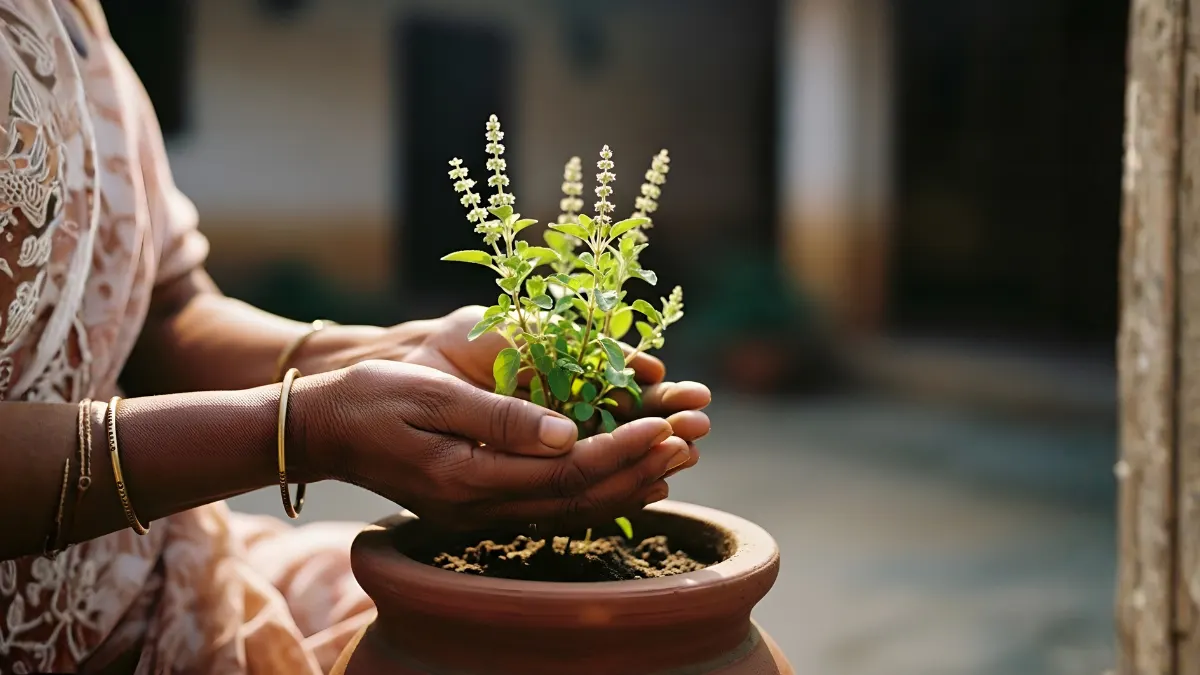
In Indian culture, plants keep their specific place in every home. Walk into almost any Indian home, and somewhere near the courtyard, balcony, or window, you’ll spot a small, sturdy plant sitting in a decorated pot — Tulsi. It isn’t just another green addition to the garden. If we talk about the Tulsi plant, this is one of the best holy plants that is found in almost every Indian home in Hinduism. Tulsi holds an important place in many Hindu prayers and rituals. “We’ve seen our grandmothers and mothers do it, day in and day out. Tulsi is a daily ritual, filled with lots of health benefits.
If you’ve ever wondered why this humble herb holds such a special place in Indian households, this blog breaks down everything you need to know, from its religious roots to its Ayurvedic value.
Why is Tulsi Plant (Holy Basil) Worshipped?
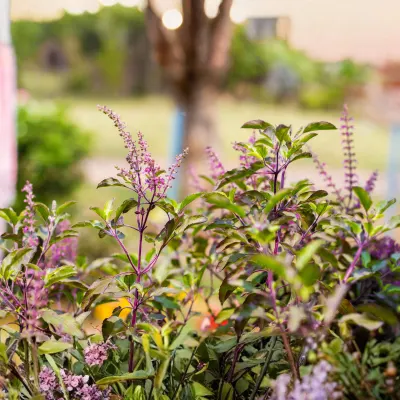
People often ask why the tulsi plant is worshipped when it’s “just a plant.” Tulsi purifies the environment in your home, removes negative energy, and brings prosperity and happiness into life. It is also believed that a home with a healthy tulsi plant is full of the blessings of Goddess Lakshmi and Vishnu. Some other reasons behind the worship:
- Tulsi is offered in almost every Vishnu, Krishna, and Satyanarayan puja
- No offering to Vishnu is considered complete without a tulsi leaf
- Tulsi Vivah, a ritual marriage of the tulsi plant to Lord Vishnu (as Shaligram), is celebrated every year in Kartik month
- Watering the plant each morning is considered equivalent to a small act of devotion
Key features & Importance of Tulsi Plant in Indian Culture
- The importance of the tulsi plant is more than just its medicinal use. Tulsi plant is one of the holy plants in Hindu culture, worshipped daily.
- In Hindu homes, people grow Tulsi in a beautiful pot, and Women offer a light, a diya, near the Tulsi plant every morning and Evening and also chant prayers.
- If we talk about the religious importance of Tulsi, it’s deeply tied to Hindu mythology. Tulsi is considered the earthly manifestation of Goddess Lakshmi, the goddess of wealth and prosperity. People believe Tulsi brings blessings of health, wealth, happiness, and peace into the home.
- If we talk about the health benefits of the Tulsi plant in Indian culture, there are lots of benefits of the Tulsi plant that are good for our health. Tulsi works as the best natural healer in Indian households.
- People add tulsi leaves to morning tea, used to treat a common cold, or chewed to fresh breath. In our childhood, our grandmother used “Tulsi ka kadha” as the first treatment if you were suffering from any seasonal illness. That’s the reason why Tulsi is sometimes called The queen of herbs” in Ayurvedic texts.
Tulsi Plant Care at Home:
Soil: Prepare a potting mix by using these ingredients; this soil is good for the Tulsi plant and also rich in compost. If you are confused about the pot selection for the plant a terracotta pot is perfect for the healthy growth of the plant.
- 40% Garden Soil
- 30% Vermicompost
- 30% Cocopeat
Water: Water the plant only when the topsoil feels dry to the touch. Water by the correct method. Watering needs also change with the season:
Summer: Water once daily; prefer watering in the early morning or evening, as soil dries out faster in heat
Winter: Water only every 2–3 days, since the soil stays moist longer and the plant’s growth slows down
Monsoon: Reduce watering significantly and make sure excess water drains out quickly to prevent root rot
Sunlight: Tulsi is a sun-loving plant and also needs 5–6 hours of sunlight daily. After doing this, your plant brings happiness in life and keeps your space full of positive vibes.
Health Benefits and Traditional Uses of Tulsi
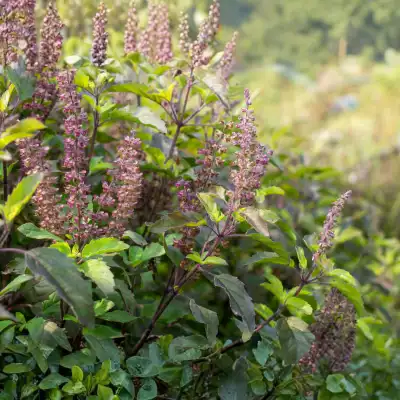
Keeping tulsi at home isn’t just symbolic; it genuinely comes with health benefits of Tulsi plant at home that many families rely on daily. In fact, the overall more specific tulsi plant benefits for day-to-day wellness are what keep this herb relevant across generations.
| Health Benefit | How It Helps |
| Tulsi for immunity | Regular consumption is believed to strengthen the body’s natural defence system |
| Respiratory relief | Helps ease cough, cold, and mild throat irritation |
| Stress relief | Acts as a natural adaptogen, easing everyday stress |
| Digestive support | Chewing leaves after meals is a traditional digestive aid |
| Skin care | Used in face packs for acne and skin purification |
| Oral health | Chewed for fresher breath and to reduce oral bacteria |
| Air purification | Releases oxygen for longer hours and is known to purify surrounding air |
People are asked about Tulsi and are also confused about whether Tulsi is good for health; the short answer is yes — but like any herb, it should be used sensibly and not as a replacement for medical treatment. Most people rely on tulsi for immunity in the form of fresh leaves, herbal tea, or kadha, especially during the monsoon and winter seasons when seasonal infections are common. Apart from medicinal use, holy basil uses extend into skincare, haircare, and even household pest control, since its natural oils are known to repel mosquitoes and flies, a small but useful benefit of keeping it near your window or balcony.
Tulsi Plant Significance in Hinduism vs. Ayurveda
It helps to understand tulsi from two lenses – spiritual and medicinal. The importance of the tulsi plant in Ayurveda comes from its natural compounds. Here’s a simple comparison:
| Aspect | Hindu/Spiritual View | Ayurvedic View |
| Symbolism | Manifestation of Goddess Lakshmi | Mother Medicine of Nature |
| Daily Practice | Worshipped, watered, diya lit near it | Leaves consumed for immunity and digestion |
| Occasion | Tulsi Vivah, daily puja | Used in kadha, teas, oils |
| Belief | Brings positivity, removes negative energy | Balances Vata, Pitta, Kapha doshas |
| Placement | Kept in courtyard | Kept where sunlight and airflow are good |
Where Should Tulsi Plant Be Kept at Home According to Vastu?
According to Vastu Shastra, the perfect place to keep this holy plant matters. If you don’t know the ideal place according to the Vaastu So, here’s the general guidance:
- According to traditional Vastu practices, the North, East, and Northeast are generally considered favourable directions for placing Tulsi.
- Avoid keeping it directly on the ground; a raised pot or platform is preferred
- Avoid placing it near or under a Peepal or Banyan tree
- Don’t kept in the bedroom or bathroom
Common Tulsi Plant Pests and Problems
Even a sacred plant isn’t immune to garden troubles. Here’s a table covering the most common pests and problems tulsi owners face:
| Pest/Problem | Signs | Solution |
| Aphids | Curled leaves, sticky residue | Spray neem oil solution weekly |
| Whiteflies | Tiny white insects under leaves | Use neem oil spray |
| Mealybugs | White cottony patches on stems | Wipe with cotton dipped in diluted neem oil |
| Root rot | Yellowing leaves, mushy stem base | Reduce watering, improve drainage |
| Fungal leaf spots | Brown/black spots on leaves | Remove affected leaves, avoid overhead watering |
| Leggy growth | Thin, stretched stems | Increase sunlight exposure, prune regularly |
| Leaf drop | Sudden leaf fall | Check for overwatering or temperature shock |
Buy Tulsi Plant Online India — What to Look For
The success of any home garden starts with choosing a healthy, well-grown plant. When buying a Tulsi plant online, look for a sapling with fresh green leaves, strong stems, healthy roots, and no visible signs of pests or disease. Good packaging is equally important, as it helps protect the plant during delivery and gives it a better start once it reaches your home. It is also worth choosing a reliable nursery that grows plants suited to Indian growing conditions.
If you’re looking to buy a Tulsi plant online for its spiritual significance, traditional wellness uses, or simply to add greenery to your home, choosing a healthy sapling can make a big difference to its growth. Upjau offers fresh and healthy Tulsi plants and other home-garden plants, carefully selected and packed to help them settle well in their new environment.
Frequently Asked Questions:
- Can a Tulsi Plant Be Kept in Every Home?
Yes, almost every home can keep a tulsi plant. It just needs good sunlight and fresh air, making it perfect even for small balconies.
- Why not touch Tulsi on Sunday?
Hindus believe tulsi fasts on Sundays, like Goddess Lakshmi resting. So people avoid touching or plucking leaves that day out of respect.
- On which day should Tulsi not be planted?
Sunday and Ekadashi are avoided for planting Tulsi, as they’re considered inauspicious. Thursday and Friday are seen as the best days instead.
- When not to put water in a Tulsi plant?
Avoid watering Tulsi on Sundays and Ekadashi due to tradition.
- What is the best fertilizer for Tulsi plants?
Natural fertilizers like cow dung manure, compost, or neem cake work best for the healthy growth of Tulsi . Use them once a month. Avoid chemical fertilizers since tulsi is eaten and used on skin.
