
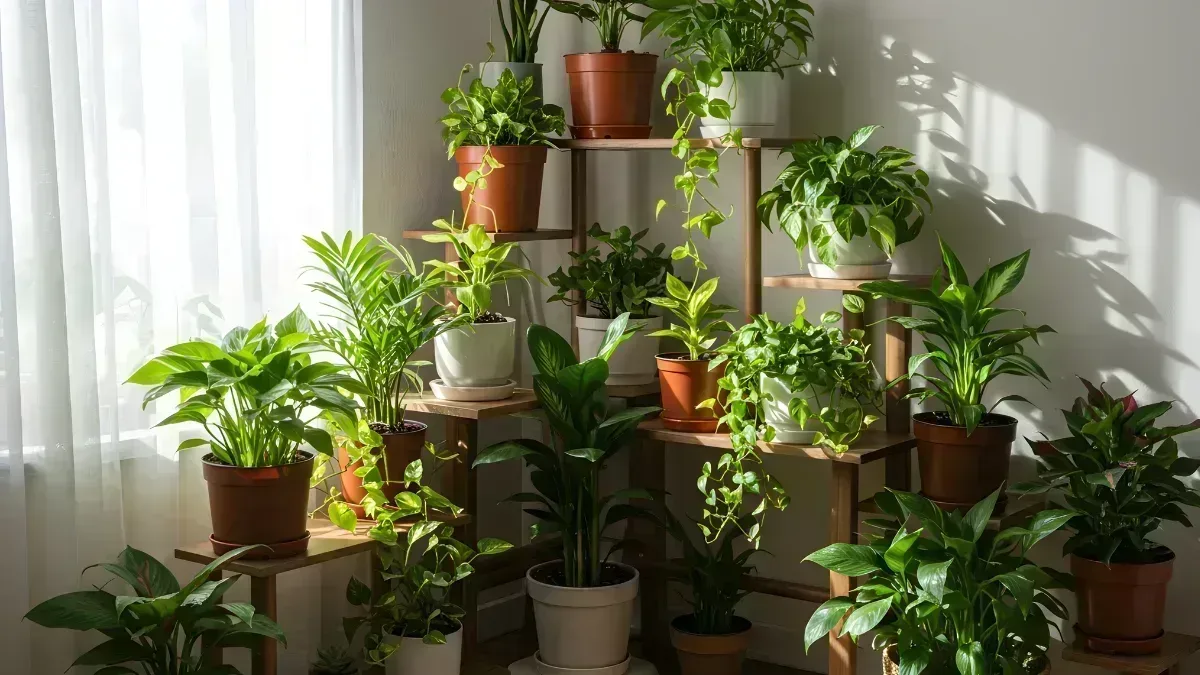
Bringing greenery indoors instantly makes a home feel calmer, fresher, and also gives positive vibes to your space. Most people don’t fail at plant parenting because they lack a “green thumb” — they fail because nobody ever taught them the basics. This indoor plant care guide is built especially for beginners who want simple, practical, and easy-to-follow advice that actually works, especially for Indian homes and climates.
Whether you’re looking for indoor plant care tips for beginners or you’ve been struggling for months, wondering why your indoor plants are dying and how to fix the problem, this guide covers everything you need — from watering schedules and sunlight requirements to soil, fertilizer, and common plant problems.
Looking for healthy, low-maintenance houseplants? Explore our collection of indoor plants online in India and find air-purifying, beginner-friendly, and rare indoor plants delivered safely to your doorstep.
Indoor Plant Care Guide India: Know Your Climate
India’s climate is unique — hot summers, humid monsoon seasons, and mild winters in most regions. A generic indoor plant care guide written for European or American homes won’t always apply here. Following an indoor plant care guide India approach means adjusting your plant care routine according to seasonal changes.
Summer: Plants dry out faster during summer, so they may need more frequent watering. Always check the soil moisture before watering.
Monsoon: During the monsoon season, humidity levels are high, so overwatering becomes a common problem. Reduce watering frequency and ensure proper drainage.
Winter: Plant growth slows down during winter, so reduce watering and avoid excessive fertilizer application.
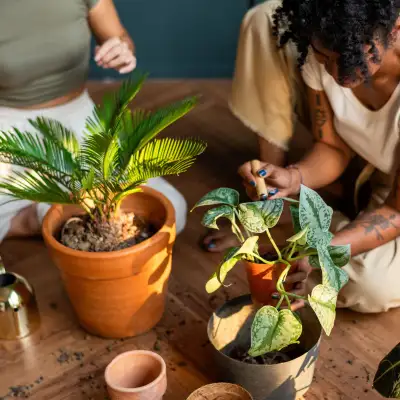
Why Indoor Plant Care Is Different in India
Indoor plants in India experience different conditions compared to many other countries because of temperature fluctuations, humidity changes, and seasonal weather patterns. Understanding your home’s light, temperature, and humidity helps you create the right environment for healthier houseplants.
Understand Indoor Plant Sunlight Requirements
One of the biggest reasons indoor plants struggle is incorrect sunlight exposure. Here’s how to understand your plant’s indoor sunlight requirements:
Bright light plants (need direct sun near a window)
- Succulents
- Cactus
- Jade Plant
Medium light plants (bright indirect light near a window)
- Money Plant
- Philodendron
- Areca Palm
Low light plants (survive in shady corners)
- Snake Plant
- ZZ Plant
- Spider Plant
Best plants for low-light apartments
- Snake Plant – almost indestructible
- Pothos – grows even in dim corners
- Peace Lily – bonus, it flowers too
How Often to Water Indoor Plants
This is one of the most common questions people ask: How often should you water indoor plants? The answer depends on the plant type, pot size, season, and weather. There is no fixed watering schedule for every plant, but here is a simple indoor plant watering guide for India:
According to the season, the indoor plant watering schedule in India is as follows:
- Summer (April–June): Every 7–10 days
- Monsoon (July–September): Every 10–14 days
- Winter (November–February): Every 2–3 weeks
Signs of overwatering: Yellow leaves, root rot, mushy stems, and a foul smell from the soil.
Always check the soil first. Put your finger about 1 inch into the soil. If it feels dry, water the plant. If it still feels moist, wait a few more days before watering.
Use the Best Soil for Indoor Plants
Good soil is the key to healthy plants. The best soil for indoor plants should be loose, fertile, and well-draining with plenty of organic matter. A well-draining indoor plant soil mix in India promotes healthy root growth and prevents root rot.
Recipe for indoor plant soil mix
- 30% garden soil
- 25% coarse sand or perlite
- 25% cocopeat
- 20% compost or vermicompost
Avoid heavy clay soil, as it can hold excess moisture and cause root rot.
Create a Simple Indoor Plant Care Routine
A good indoor plant care routine is very easy if you follow these simple steps every week:
- Check the soil moisture every 2–3 days.
- Wipe the leaves gently once a week to remove dust.
- Rotate the pot slightly so all sides receive equal sunlight.
- Remove yellow, dry, or damaged leaves.
- Check for pests once a week.
Doing these small things regularly keeps your plants healthy. These are some of the easiest indoor plant maintenance tips you can follow.
Indoor Plant Care in Summer in India
Indoor plant care in summer in India needs extra attention because the heat can dry out the soil very quickly. During summer:
- Water plants more often, but always check the soil before watering.
- Keep plants away from the harsh afternoon sun near windows.
- Mist humidity-loving plants lightly or place a tray of water nearby to increase humidity.
- Avoid applying fertilizer during extreme heat, as it may stress or burn the roots.
Simple changes like these help your indoor plants survive the harsh Indian summer without stress.
Feed Your Plants the Right Way
Feed your indoor plants during the growing season (spring and monsoon). Apply a balanced liquid fertilizer or organic fertilizer once a month to encourage healthy growth.
During winter, skip fertilizing because plant growth slows down. Think of it as your plant’s long nap — don’t disturb it.
Common Indoor Plant Problems and Solutions
| Problem | Symptoms | Cause | Easy Solution |
|---|---|---|---|
| Overwatering | Yellow leaves | Too much water and poor drainage | Let the soil dry before watering again and improve drainage. |
| Underwatering | Wrinkled, drooping leaves | Dry soil for a long time | Water thoroughly when the topsoil feels dry and maintain a regular watering schedule. |
| Root Rot | Soft black roots, collapsing plant | Excess moisture | Remove damaged roots and repot in fresh, well-draining soil. |
| Leaf Curling | Leaves folding or curling inward | Low humidity, underwatering, or temperature stress | Adjust watering and keep the plant in a stable environment. |
| Brown Leaf Tips | Brown, dry leaf edges | Low humidity or underwatering | Increase humidity and water when required. |
| Pests | Spots, sticky leaves, or insects | Spider mites, aphids, or mealybugs | Spray neem oil every 7–10 days until controlled. |
| Slow Growth | No new leaves | Low light or nutrient deficiency | Move the plant to bright indirect light and fertilize lightly during the growing season. |
Tips to Grow Healthy Indoor Plants
- Pick the right pot size — not too big and not too small.
- Wipe the leaves regularly. Clean leaves absorb more light and grow better.
- Let fresh air circulate by opening a window occasionally.
- Don’t move plants around too often. They need time to adjust to one location.
- Repot once every 1–2 years, or when roots become pot-bound.
- Talk to your plants if you like. It may sound funny, but spending time with them helps you notice problems early.
Small, simple habits like these are what keep indoor plants healthy and thriving year after year.
Why Are My Indoor Plants Dying and How to Fix Them?
If you’re asking yourself, “Why are my indoor plants dying and how do I fix them?”, here is a quick checklist:
- Check watering – Are you giving too much or too little water? Overwatering is one of the most common reasons indoor plants die.
- Check light – Is the plant getting the right amount of sunlight for its needs?
- Check soil – Is the soil too heavy or not draining well?
- Check for pests – Look under the leaves for tiny insects like spider mites, aphids, or mealybugs.
- Check the pot – Does it have proper drainage holes to prevent waterlogging?
- Check humidity and airflow – Dry air from air conditioners or poor ventilation can also stress indoor plants.
By checking these common problems one by one, you can identify the cause and help your indoor plants recover.
Low-Maintenance Indoor Plant Care for Busy Lifestyles
People have busy schedules, so not everyone has hours to spend caring for plants. If you’re looking for low-maintenance indoor plants, choose varieties that can tolerate occasional missed watering and low light.
Some of the best low-maintenance indoor plants for Indian homes include:
- Snake Plant
- ZZ Plant
- Spider Plant
- Aglaonema
- Money Plant
These plants are excellent choices for beginners and busy plant parents because they require very little care and grow well indoors.
Why Buy Indoor Plants Online in India from Upjau?
If you’re looking to buy indoor plants online in India, here’s what Upjau offers:
- Affordable prices – Indoor plants start from just ₹49, making them budget-friendly.
- Popular varieties – Choose from Snake Plant, Peace Lily, Jade Plant, Money Plant, Monstera, Aglaonema, and many more.
- Air-purifying plants – Find Spider Plant, Snake Plant, Peace Lily, and Rubber Plant, all known for improving indoor air quality.
- Low-light, low-maintenance plants – Perfect for beginners, apartments, and busy lifestyles.
- Rare and tropical plants – Explore unique varieties like Caladium and Aglaonema Lipstick.
- Vastu-friendly plants – Shop popular choices like Tulsi, Money Plant, Jade Plant, Rubber Plant, and Banana Plant.
- Safe delivery across India – Healthy plants are carefully packed and delivered to your doorstep.
If you want to buy indoor plants online in India, Upjau is your trusted online plant nursery offeringhealthy plants, seeds, bulbs, saplings, and gardening essentials at affordable prices. Explore our collection, choose your favorite plants, and make your home greener, fresher, and more beautiful with easy-to-grow indoor plants.
Frequently Asked Questions
What are the fastest-growing indoor plants?
Money Plant, Pothos, Spider Plant, and Philodendron are among the fastest-growing indoor plants in India. They adapt well to indoor conditions, require minimal care, and grow quickly with proper light and watering.
What is the best indoor plant for a living room?
Money Plant, ZZ Plant, Peace Lily, Snake Plant, and Philodendron are some of the best indoor plants for living rooms. They enhance your home décor, help improve indoor air quality, and thrive in bright indirect light.
How do you take care of indoor plants for beginners at home?
Start with low-maintenance indoor plants, water only when the topsoil feels dry, provide bright indirect sunlight, use well-draining soil, and avoid overwatering. Following these simple indoor plant care tips will help your houseplants stay healthy and thrive.
