
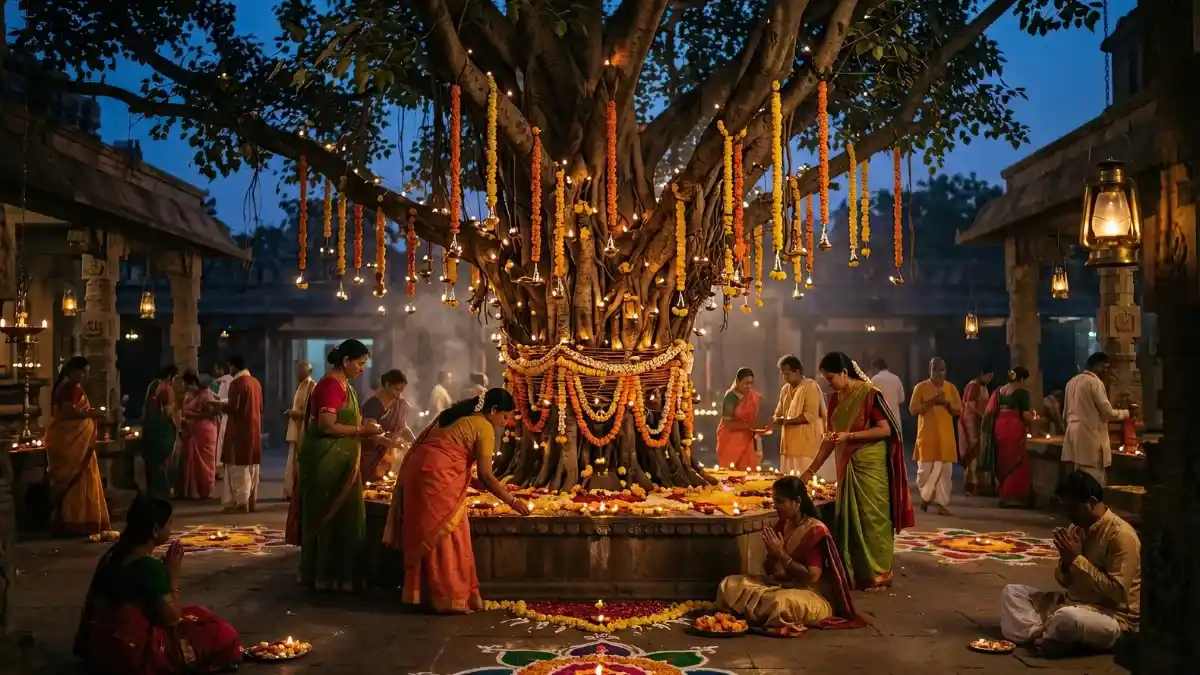
When we think of Dussehra, we usually think of Ramlila and the burning of Ravan. But there is another beautiful side to this Dussehra festival that many people miss: the Dussehra sacred plants. On this day, people worship trees, exchange Dussehra leaves and decorate their homes with flowers on the occasion of Dussehra. Every plant has a story and a meaning behind it.
In this blog, we will look at the plants worshipped on Dussehra, why they matter, and how different parts of India celebrate this day.
The Story and Significance of Dussehra:
Dussehra, also called Vijayadashami, is celebrated on the tenth day after Navratri begins. The word means “victory on the tenth day.” It is celebrated for two main reasons:
- Lord Rama defeated Ravan, showing the victory of good over evil.
- Goddess Durga defeated the demon Mahishasura after nine days of battle.
In Dussehra 2026, Vijayadashami falls on 20 October. Please check your local Panchang for the exact puja time.
Nature is a big part of this victory story. Many Vijayadashami plants are linked to war, wealth, protection and new beginnings. That is why they hold a special place in Dussehra traditions in India.
Why Plants Hold a Special Place in Dussehra Traditions?
Our ancestors saw trees as living gods. There are a few simple reasons behind this tradition:
- Stories from the epics: Many trees worshipped on Dussehra are tied to the Ramayana and the Mahabharata.
- Harvest season: The monsoon is ending and the new crop is near, so people thank nature.
- Good luck: Green leaves and fresh flowers are signs of a happy year ahead.
- Sharing: In the Dussehra leaves exchange, people share love, respect and blessings, not just leaves.
Which Trees Are Worshipped on Dussehra?
1. Apta Tree (Sona Patta): The Golden Leaves of Dussehra
The Apta tree (Bauhinia racemosa) is the star of Dussehra in Maharashtra and Madhya Pradesh. Its small, heart-shaped leaves are called sona patta, which means “gold leaf.”
The story goes back to King Raghu. A student named Kautsa needed a huge amount of gold to pay his teacher. Kubera, the god of wealth, made gold coins rain on the Shami and Apta trees. Kautsa took only what he needed, and the rest was shared with the people. This is why Apta leaves on Dussehra are treated as gold.
Importance: Apta leaves stand for wealth and prosperity. When you give someone a leaf, you wish them a rich year. It also teaches us to share our good fortune with others.
2. Shami Tree: A Symbol of Victory and Protection
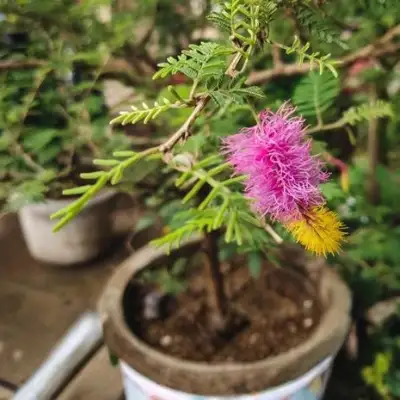
The Shami tree (Prosopis cineraria) is a strong desert tree that survives on very little water. The Shami tree on Dussehra is worshipped across India as a symbol of victory.
In the Mahabharata, the Pandavas hid their weapons, including Arjuna’s bow, in a Shami tree before their year in hiding. When the year ended, they took the weapons back and won their battle. Some traditions also say Lord Rama worshipped the Shami before going to fight Ravan.
Importance: The Shami leaves significance is linked to courage, protection and victory. Giving Shami leaves means sharing strength and blessings. Many people also believe that worshipping Shami reduces the bad effects of Shani (Saturn).
3. Marigold: The Favourite Flower for Dussehra Decorations
In every festival, marigolds play an important role in decoration. Marigold flowers for Dussehra are seen everywhere on doors, vehicles, shops, and idols. Their bright orange and yellow colors make the festival feel joyful. Marigolds also stay fresh for days, which makes them perfect flowers for decoration.
People tie marigold garlands on the main door. Farmers and shopkeepers also decorate their tools and vehicles with them during Ayudha Puja.
Importance: Marigold stands for joy, energy, and good luck. The garlands are believed to keep negativity away and welcome the gods. The sun-like colours also bring a feeling of positivity.
4. Barley (Jau / Jawara): A Sign of New Life and Prosperity
On the first day of Navratri, people and families sow barley seeds in a small pot. By Dussehra, green shoots called jawara have grown. These are offered to the gods, and some people place them behind their ears or in their turbans as a blessing because this is an important festival. Some families also give them to friends and relatives.
Importance: Barley is one of the oldest grains used in Hindu rituals. Healthy green shoots are a sign of new life, a good harvest and a happy year. They also remind us to be thankful to the earth for our food.
5. Parijat (Night Jasmine): The Fragrant Flower of Devotion
Parijat, also called Harsingar, has small white flowers with orange centres. They bloom at night with a sweet smell and fall to the ground by morning. According to legend, Parijat came out of the ocean during the Samudra Manthan, and Lord Krishna later brought it to Earth for Satyabhama.
These flowers are offered in the Navratri and Dussehra puja to Goddess Durga and Lakshmi. Since they are picked from the ground, they are considered the purest flowers.
Importance: Parijat flowers stand for purity, devotion, and humility. It blooms quietly and gives its fragrance without asking for praise.
6. Ashoka Tree: A Symbol of Hope and Happiness
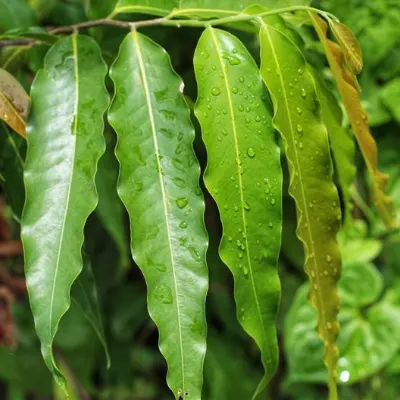
The word “Ashoka” means “without sorrow.” In the Ramayana, Sita stayed in the Ashok Vatika in Lanka, so this tree is deeply connected to the story. Ashoka leaves for Dussehra are used to make torans for the door.
Importance: The Ashoka tree stands for hope, patience and the end of sadness. Its leaves on the door are believed to bring peace and happiness to the home. It also reminds us of Sita’s strength and the final win of truth.
7. Mango Leaves: Traditional Decorations for Dussehra Puja
Mango leaves are used in almost every Hindu puja because the leaves are so pure. On the occasion of Dussehra, they are tied as garlands at the entrance and placed on the kalash.
Importance: Mango leaves are a symbol of prosperity and purity. They are believed to clean the space and welcome the gods. They stay green for a long time, which symbolizes lasting happiness.
8. Bael (Bilva): Its Importance in Durga Puja
The Bael tree is dear to Lord Shiva and Goddess Durga. In Bengal, Durga Puja begins with a ritual called Bilva Nimantran, where the goddess is invited into a bael tree. Bael leaves are offered as Vijayadashami puja leaves to show devotion.
Importance: The three-part bael leaf is linked with the three powers of the goddess. It stands for Shakti, faith and surrender.
Dussehra Sacred Plants and Their Traditional Meanings
| Plant | Meaning | Where / How Used |
| Apta (Sona Patta) | Gold, wealth | Exchanged in Maharashtra and MP |
| Shami | Victory, protection | Worshipped, leaves exchanged |
| Marigold | Joy, good luck | Garlands, door torans |
| Barley (Jawara) | New life, harvest | Offered to gods, worn on ears |
| Parijat | Purity, devotion | Puja flowers for Durga |
| Ashoka | End of sorrow | Torans, decoration |
| Mango leaves | Prosperity | Kalash and doorway |
| Bael | Shakti, faith | Offered in Durga puja |
Shami vs Apta: Key Differences Between the Two Trees
People often mix up these two trees, so here is a simple comparison:
| Point | Shami | Apta |
| Botanical name | Prosopis cineraria | Bauhinia racemosa |
| Leaves | Tiny, thin, feathery | Small, round, two-lobed |
| Famous story | Pandavas’ hidden weapons | Kubera’s gold rain |
| Meaning | Victory and strength | Wealth and prosperity |
| Popular in | Karnataka, Andhra, Telangana, Rajasthan | Maharashtra, Madhya Pradesh |
Dussehra Traditions Across Different Parts of India
| Region | How It Is Celebrated |
| Maharashtra | Sona patta exchange, Shastra Puja, new clothes |
| Karnataka | Banni leaves exchange and the grand Mysuru Dasara with the Jamboo Savari procession |
| Telangana & Andhra Pradesh | Jammi chettu puja and greeting each other with leaves |
| North India | Ramlila and burning of Ravan, Meghnad and Kumbhkaran effigies |
| West Bengal | Bijoya Dashami, Durga idol immersion, sindoor khela, sweets |
| Gujarat | End of Garba, fafda and jalebi |
| Himachal Pradesh | Kullu Dussehra, a seven-day fair with village deities |
| Tamil Nadu & Kerala | Golu dolls, Ayudha Puja, Vidyarambham |
| Chhattisgarh (Bastar) | A 75-day tribal Dussehra with no Ravan burning |
How to Include Sacred Plants in Your Dussehra Puja
For Dussehra 2026 puja plants, you can follow these easy ideas:
- Keep a few Shami or Apta leaves on your puja thali.
- Tie marigold and mango leaf torans on the main door.
- Offer Parijat and marigold flowers to the gods.
- Grow barley in a pot or container from the first day of Navratri.
- Give Dussehra leaves to elders and friends and take their blessings.
- Plant a sapling after the festival to keep the tradition alive.
Celebrate Dussehra by Bringing Nature into Your Home
Dussehra is about more than burning Ravan. Vijaydashmi is all about the quiet things that make the festival special: a Shami leaf in your puja thali, a marigold toran on your door, or a sona patta placed in someone’s hand. Each of these small traditions carries an old story and a good wish.
By Dussehra sacred plants, you can teach three simple things: respect nature, share what we have, and stay humble even after a win.
So this Vijayadashami, set up your puja with a few of these plants and bring them home and add beauty home. Give a leaf to your parents, a neighbour or an old friend, and take their blessings and enjoy the festival with greenery.
Frequently Asked Questions:
- Why are Shami leaves exchanged on Dussehra?
Shami leaves stand for victory and protection. Giving one to someone means sharing strength and good wishes.
- What is the importance of the Shami tree in the Mahabharata?
The Pandavas hid their weapons in a Shami tree during their year in hiding. They found them safe later and won, so the tree became a symbol of protection and victory.
- What is Jammi chettu puja on Dussehra?
Jammi chettu is the Telugu name for the Shami tree. On Dussehra evening, people in Telangana and Andhra Pradesh worship it, pray for success and greet each other with its leaves.
- Why are Apta leaves called gold on Dussehra?
According to legend, Kubera rained gold coins on the Apta and Shami trees. So Apta leaves are called sona patta and given to loved ones to wish them prosperity.
- What is the Banni leaves exchange in Karnataka?
In Karnataka, the Shami tree is called Banni. After worshipping the tree, people exchange its leaves and greet each other as a sign of friendship, respect and good luck.
