Your cart is empty
Explore our collectionsCoupons
Order Summary
Total₹ 0

If you’re looking for one plant that looks good, barely complains, and actually does something useful for you, Aloe Vera is it. It’s probably the most forgiving houseplant out there, which is exactly why so many beginners fall in love with it – and then get confused when the leaves suddenly start turning brown or mushy. This Aloe Vera plant care guide for beginners covers everything from soil to sunlight to harvesting, so you don’t have to go hunting across ten different websites.
Whether you already own one or you’re planning to buy Aloe Vera indoor plant for your balcony or kitchen window, this guide will walk you through real, practical steps, not just generic “water it sometimes” advice.
Specification Details
The benefits of the Aloe Vera plant are not limited to decoration. Each leaf stores soothing gel that feels fresh and natural. It has many medicinal properties & is always within reach.
Aloe Vera improves the overall feel of your space. A single plant can soften hard corners. It makes rooms feel alive.
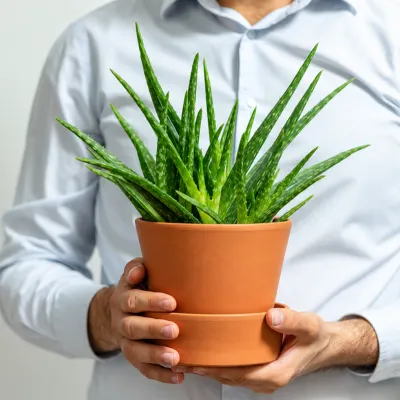
Aloe Vera soil mix:
The Best soil for Aloe Vera should feel light & fast-draining. Getting the Aloe Vera soil mix right is honestly half the battle.
When water flows through easily, roots stay strong. Leaves stay thick.
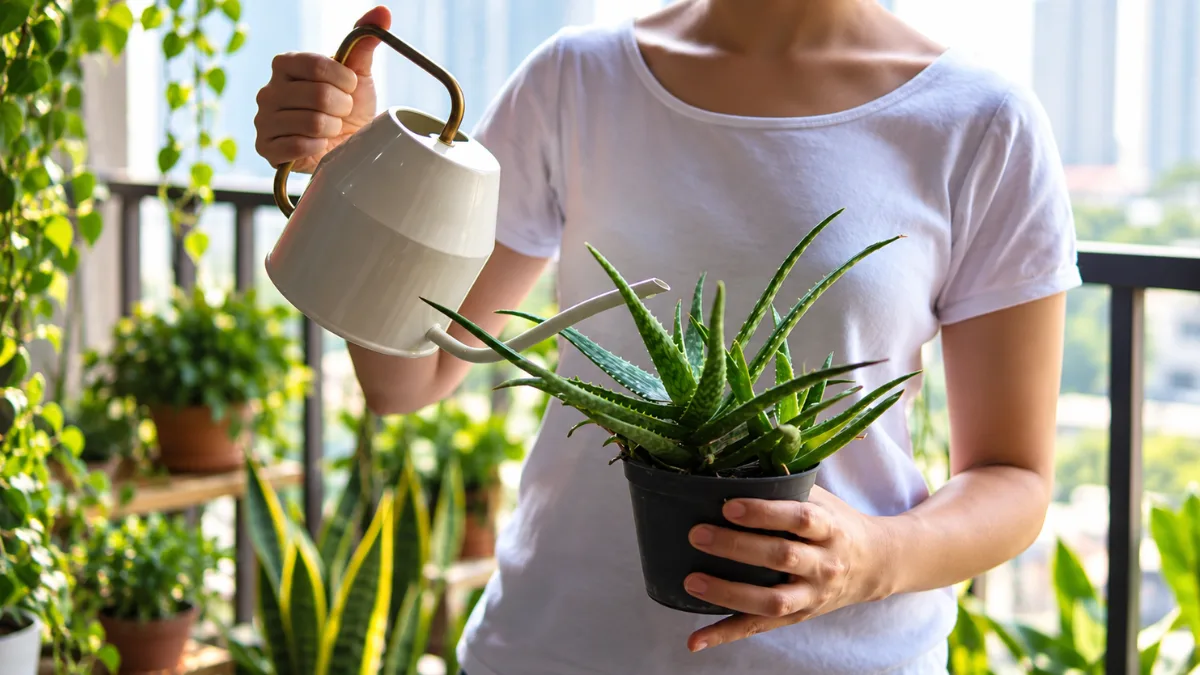
This is probably the most searched question when it comes to Aloe Vera watering guide topics. Thick leaves store water like a built-in tank. Too much love harms the Aloe Vera quietly. So, you water sparingly. The plant sips slowly plus stay content.
Never leave water pooling in the saucer. Tip it out right after. Roots stay safe.
Understanding Aloe Vera sunlight requirements is key to a healthy, plump plant. Light shapes the strength of your plant. Without enough light, leaves grow thin. Weak. Pale.
If leaves stretch or lean, move the plant closer to the light.
Aloe Vera isn’t a heavy feeder, so go easy on the Aloe Vera fertilizer routine. A balanced, diluted liquid fertilizer once every 4–6 weeks during spring and summer is more than enough. Skip fertilizing completely in winter.
Choose the right pot first. Then your aloe vera grows stronger, looks cleaner, plus stays easy to care for every day.
Repot your Aloe Vera every 2–3 years, or sooner if you notice roots poking out of the drainage holes or the plant looking top-heavy for its pot. The best time to repot is in spring. Gently remove the plant, shake off old soil, and place it into a slightly bigger pot with fresh, well-draining mix.
If you’re wondering exactly how to care for an Aloe Vera plant at home, here’s the short version:
Stick to these basics and your plant will reward you with thick, healthy leaves for years.
Harvesting is simple once your plant is mature:
Never harvest more than a couple of leaves at once – over-harvesting stresses the plant and slows its growth.
| Pest/Disease | Symptoms | Causes | Treatment |
| Root Rot | Mushy, blackened base | Overwatering, poor drainage | Remove rotten roots |
| Mealybugs | White cottony spots on leaves | High humidity, overcrowding | Wipe with cotton dipped in neem oil or rubbing alcohol |
| Sunburn/Scorching | Brown or reddish leaf tips | Sudden exposure to harsh direct sun | Move to partial shade |
| Leaf Wrinkling | Thin, curling, shriveled leaves | Underwatering | Water deeply once and resume normal schedule |
| Fungal Spots | Brown or black spots on leaves | Excess moisture, poor air circulation | Remove affected leaves |
| Aloe Rust | Yellow-orange raised spots | Fungal infection from wet leaves | Apply fungicide |
| Leggy Growth | Thin, stretched-out stem | Insufficient light | Shift to a brighter spot gradually |
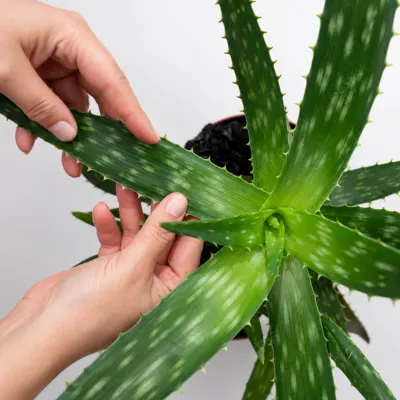
Aloe Vera propagation is one of the easiest things you can do as a plant parent. Most aloe plants naturally produce “pups” – small offsets that grow around the base of the mother plant.
This is also how most nurseries multiply their stock, and it’s a great way to grow your own Aloe Vera succulent care collection without spending extra money.
If you’re looking to bring home a healthy, ready-to-grow Aloe Vera plant, buying from a trusted nursery matters more than people realize – a weak or diseased plant sets you up to fail before you’ve even started. Upjau focuses on healthy, well-rooted plants that are packed and shipped carefully so they arrive in good condition, not wilted from transit. You also get the advantage of guidance for beginners, fair pricing compared to random local vendors, and the convenience of having it delivered straight to your door – no need to hunt through nurseries across the city.
For anyone starting their plant journey with medicinal plants or building an indoor garden from scratch, ordering online from a reliable source like Upjau takes away a lot of the guesswork.
Yes, Aloe Vera is one of the best and easiest medicinal plants you can grow at home.
Yes, it handles indoor spots with bright, indirect light. A desk by a window keeps leaves firm plus upright. Proper light builds compact strength.
Fast-draining mixes shield roots from wet. Succulent or cactus soil works great, or sand, soil & compost. Airy feels speed steady growth.
Overwatering softens leaves plus turns them yellow. Let the soil dry fully next time. Firm leaves bounce back quickly.