Your cart is empty
Explore our collectionsCoupons
Order Summary
Total₹ 0

Every year around late October, the same thing happens. The mornings turn foggy, the air gets a little sharper, and gardeners across North India start looking at their plants with worry. Will the flowers plant survive? What about the money plant on the balcony? Should I even bother watering?
If you have ever lost plants to a cold January night, you know it hurts. The good news is that winter garden preparation is not difficult in India. What do you need in winter gardening? just needs a little planning, a few cheap materials, and, most importantly, the right timing.
This guide covers everything you need to know about winter gardening in India, whether you have a small balcony or a big backyard. I have kept it practical, so you can start today.
Winter in India is not the same everywhere. In Delhi NCR, Punjab, Haryana, Uttar Pradesh, and Rajasthan, these states get really cold in December and January. Hill states get snow. Meanwhile, Mumbai, Chennai and Bengaluru stay mild, and plants there barely notice the season.
So before you do anything, ask yourself one thing: how cold does it get where I live?
North India (plains): Night temperatures can fall to 2–6°C, with frost in some areas. Full winter plant care is needed.
Central India: Cold nights, but frost is rare. Light protection is enough.
South and coastal India: Mild winters. Focus on watering and pest control.
Hills: Heavy protection, or move sensitive plants indoors.
Most of this guide is written with North Indian conditions in mind, but you can adjust it for your city.
Start preparing in September and October. For most of the North India region, mid-October to mid-November is the best time to if you are planning to sow winter flowers and vegetables because this time is best. The soil is still warm enough for seeds to germinate, and the plants get time to settle before the real cold arrives in December.
If you are waiting for December to begin, it is usually too late. Seeds germinate slowly in cold soil, and young seedlings struggle.
In South India, you can sow almost anytime from October to January.
Here is a simple winter garden checklist you can follow step by step.
After the monsoon, most gardens look messy. Dead leaves, dried stems, weeds and fallen fruit are everywhere. Clear them out. This is an important part of winter garden maintenance, because rotting material is where fungus and insects hide over winter.
Pull out weeds, remove spent annuals, and clean your pots. Wash old pots with a little water and neem oil or vinegar to remove fungus and eggs. Do not throw the healthy leaves away. Put them in a compost pit or use them as mulch later.
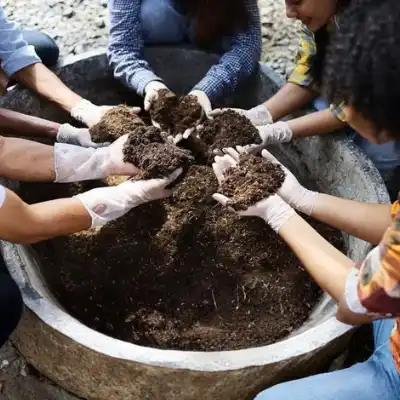
Good soil is half the battle. Winter soil preparation should happen 1–2 weeks before you sow.
For garden beds:
For pots and containers:
Now for the fun part. Winter is actually the best flowering season for Indian gardens, and there are plenty of choices.
Which Flowers Bloom in Winter in India?
These grow well across most of North and Central India:
Low Maintenance Winter Flowering Plants
Short on time? Choose these low-maintenance winter flowering plants:
Buy healthy nursery seedlings in October if you want flowers by December. Seeds are cheaper, but seedlings save you a month.
This is the most important section. Frost is really damages plants more than cold alone. It happens on clear, still nights when temperatures fall close to zero at ground level, and it turns leaves black and mushy by morning.
Which Plants Need Protection in Winter in India?
Most tropical and subtropical plants are sensitive. Watch these closely:
Simple Ways to Protect Plants from Frost
You do not need expensive equipment. Try these:
Even a basic bamboo frame covered with a shade net can save a whole row of plants.
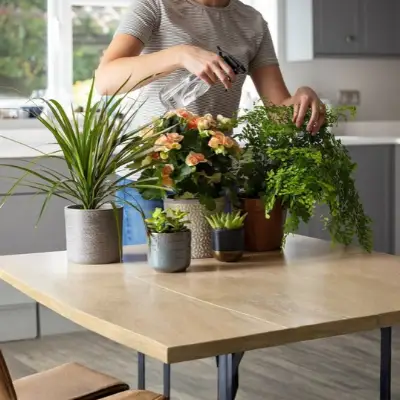
Overwatering kills plants in winter more than cold does. As you all know, plants grow slowly in winter, use less water, and the soil stays wet longer.
Here is a rough guide of those people who ask “How Often Should I Water Plants in Winter?”
Always check the soil first. Put your finger 1–2 inches down. If it feels damp, wait.
Best time to water: Mid-morning, once the sun is up. Avoid watering late in the evening because wet soil at night can freeze the roots or invite fungus.
It depends on the plant.
Less is better. Plants are not growing fast, so they do not need much food.
Mulching is one of the cheapest and best winter garden care habits if you are a plant lover. A 2–3 inch layer of dry leaves, straw, sugarcane waste, coco husk or wood chips around plants:
Keep the mulch a little away from the stem so it does not cause rot.
Pruning: Do not prune heavily before or during frost. New growth after pruning is tender and gets damaged easily. Only remove dead or diseased branches.
Pests: Winter brings aphids, whiteflies, mealybugs, and sometimes powdery mildew. Check the underside of leaves every week. A simple spray of neem oil every 10 days keeps most problems under control.
Common Mistakes to Avoid
Preparing plants for winter does not need a lot of money or effort. Start early, clean your garden, prepare the soil, pick the right flowers, protect the delicate plants on cold nights, and water less. That is really all it takes.
Do these few things, and while others are watching their gardens turn brown, yours will be full of colour all the way through January and February.
So grab your gloves this weekend and get started. Your plants will thank you.