
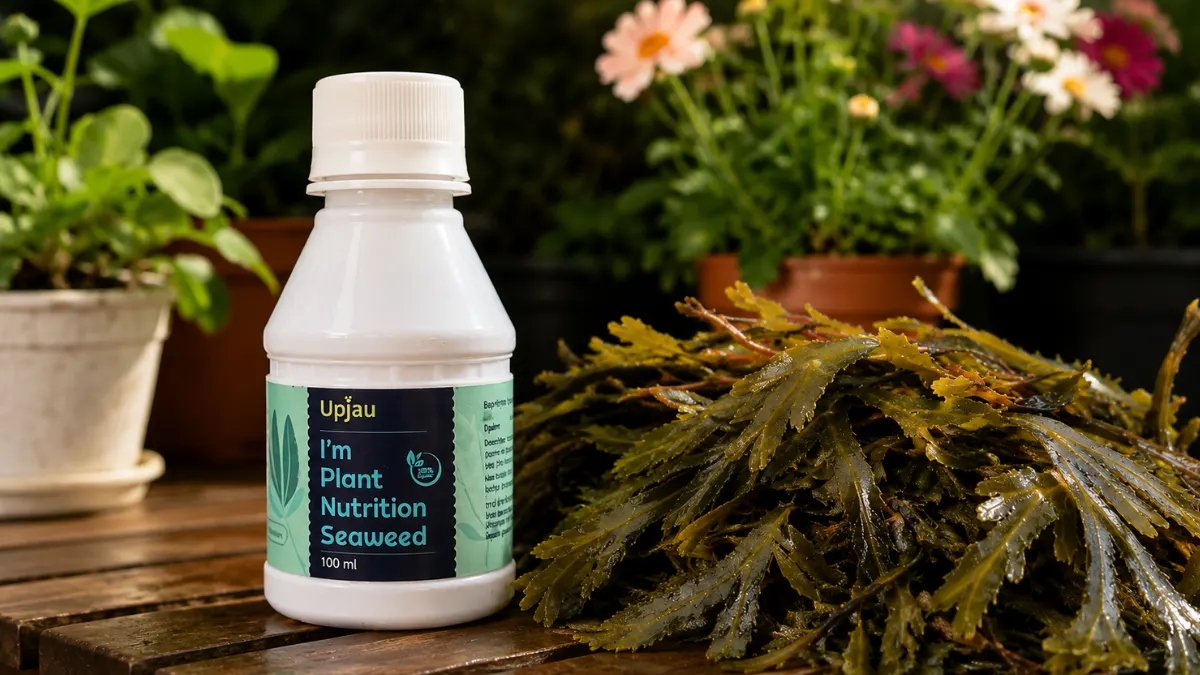
Is your plant growth slowing down? Are the leaves turning yellow? Are your plants producing fewer flowers? If you’re facing these problems, seaweed fertilizer for plants could be the perfect solution.
Seaweed fertilizer, available in both liquid and granule forms, is a natural plant growth booster. It has become a popular choice among gardeners and farmers because it is chemical-free, easy to use, and delivers excellent results.
In this blog, we’ll cover everything you need to know about seaweed fertilizer—what it is, its benefits, how to use it, and which type is best for your plants.
Looking for the best seaweed fertilizer for your plants? Explore Upjau’s Seaweed Organic Plant Food collection, including both liquid seaweed fertilizer and granule seaweed fertilizers for healthier growth.
What Is Seaweed Fertilizer?
Seaweed fertilizer is made from marine algae and is available in both liquid and granule forms.
- Easy to find as an organic seaweed fertilizer in India
- Naturally rich in minerals, vitamins, trace elements, and plant growth hormones
- A healthy and eco-friendly alternative to chemical fertilizers
Two Options to Choose From – Granules & Liquid
Upjau understands that every gardener has different needs, so we offer:
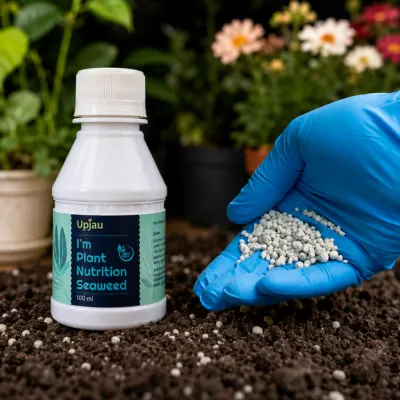
- Granules seaweed fertilizer – Slow-release, long-lasting, and ideal for soil application
- Liquid seaweed fertilizer for plants – Fast-absorbing, perfect for quick results and foliar spraying
- The flexibility to use either one or combine both for maximum benefits
- Suitable for indoor plants, outdoor gardens, flowering plants, and vegetable plants
Benefits of Seaweed Fertilizer
Let’s look at the benefits of seaweed fertilizer that every gardener should know:
- Strengthens plant roots
- Naturally boosts plant growth
- Improves plant immunity and helps resist diseases
- Enhances soil health and fertility
- Increases the soil’s water retention capacity
- Promotes better flowering and fruiting
- Environmentally friendly and free from harmful chemicals
- Lower risk of over-fertilization because it is a mild, natural formula
These benefits come from the naturally occurring nutrients found in seaweed, including nitrogen, potassium, iron, zinc, vitamins, trace minerals, and natural plant growth hormones, which support healthier and stronger plant growth.
Seaweed Extract Benefits for Plants
Seaweed extract is especially beneficial in its liquid form because it is absorbed quickly by plants. It can also be applied as a foliar spray, allowing nutrients to be absorbed directly through the leaves. Liquid seaweed fertilizer is particularly useful during stress conditions such as extreme heat, drought, or transplant shock, as it helps plants recover faster, promotes healthy seedling growth, and strengthens root development.
Kelp Fertilizer Benefits for Plants
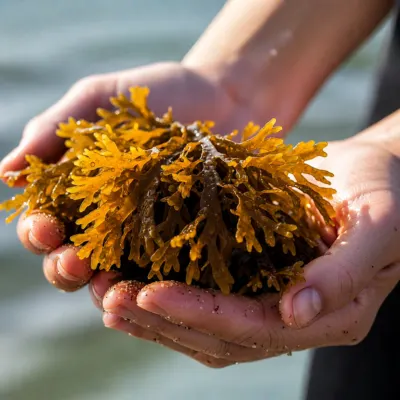
Kelp is a type of seaweed commonly used to make organic fertilizers. Here are some of the key kelp fertilizer benefits for plants:
- Contains naturally occurring cytokinins that promote healthy cell growth
- Helps plants cope with environmental stress such as heat and drought
- Supports beneficial soil microorganisms
- Improves long-term soil health and fertility
How to Use Seaweed Fertilizer
Now comes the most important question—how to use seaweed fertilizer? If you’re a beginner in gardening, don’t worry; it’s very easy to use.
Dilute the seaweed fertilizer with water according to the recommended dosage. Apply the solution around the base of the plant to nourish the roots. You can also spray it lightly on the leaves as a foliar feed. For best results, apply seaweed fertilizer in the early morning or evening, and avoid spraying during direct afternoon sunlight.
Liquid Seaweed Fertilizer for Plants
Liquid seaweed fertilizer for plants is the most popular form because it is easy to mix, gets absorbed quickly, and delivers fast results. It works well for both indoor and outdoor plants and is highly effective even in small quantities. Always use it in diluted form, as concentrated liquid seaweed fertilizer should never be applied directly to plants.
Granular Seaweed Fertilizer for Plants
Give your plants the right nutrition, and they will reward you with healthier growth. Granular seaweed fertilizer is an organic fertilizer made from seaweed extract that supports strong root development and improves overall soil health.
To use it, simply mix the granules into the soil around the plant and water thoroughly. It is ideal for vegetable plants, flowering plants, fruit plants, and long-term garden nourishment, making it a low-maintenance and chemical-free choice for healthier plant growth.
Seaweed Fertilizer Dosage for Plants
The dosage of seaweed fertilizer for plants depends on the type, size, and growth stage of the plant. Indoor plants usually require a lighter, more diluted solution, while outdoor garden plants can tolerate slightly higher amounts. Vegetable plants benefit from regular feeding during active growth, while flowering plants respond well when fertilized before and during the blooming season.
- Indoor plants: Apply every 3–4 weeks using a diluted solution.
- Outdoor plants: Apply every 2–3 weeks.
- Vegetable plants: Apply every 10–15 days during active growth.
- Flowering plants: Apply before and during the flowering season.
How Often to Use Seaweed Fertilizer
Many gardeners ask, how often should you use seaweed fertilizer? In most cases, applying it once every 2–4 weeks is ideal. During the active growing season, especially in spring and summer, you can apply it a little more frequently. Reduce the frequency during winter or when plants become dormant. As with any fertilizer, avoid overuse, as excessive application can do more harm than good.
Seaweed Fertilizer for Flowering Plants
Seaweed fertilizer for flowering plants helps improve flower bud formation, enhances flower size and color, and supports overall plant health during the blooming season. It works particularly well for flowering plants such as roses, hibiscus, marigolds, jasmine, and bougainvillea. It is also suitable for flowering plants grown indoors.
Seaweed Fertilizer for Vegetable Plants
Kitchen gardening has become increasingly popular, and seaweed fertilizer for vegetable plants is an excellent organic choice. It promotes healthy growth, strengthens root development, and improves overall plant vigor. It works well for vegetables such as tomatoes, spinach, brinjal, chilli, bitter gourd, carrots, radishes, and other leafy greens and root vegetables.
How to Choose an Organic Plant Fertilizer in India
When choosing an organic plant fertilizer in India, keep these points in mind before buying:
- Look for a certified organic product.
- Check customer reviews and ratings.
- Buy from a trusted nursery or online store.
- Compare both quality and price.
- Start with a smaller pack before purchasing a larger quantity.
If you’re looking for a trusted source, visit the official Upjau website for high-quality organic fertilizers and plant care products.
When Not to Use Seaweed Fertilizer
Avoid using seaweed fertilizer in the following situations:
- Don’t apply it to completely dry soil.
- Don’t exceed the recommended dosage.
- Don’t spray during hot afternoon sunlight.
- Don’t apply concentrated liquid fertilizer directly without dilution.
- Don’t fertilize dormant plants too frequently.
Things to Keep in Mind While Using Seaweed Fertilizer
To get the best results from seaweed fertilizer for plants, follow these simple precautions:
- Always follow the recommended dosage and instructions. Avoid over-application.
- Patch-test on new or sensitive plants before applying it to the entire garden.
- Store the fertilizer in a cool, dry place away from moisture and direct sunlight.
- Avoid spraying during direct afternoon sunlight to prevent leaf burn.
- Keep the fertilizer out of the reach of children and pets during storage.
- Always check the expiry date before use.
Why Buy Seaweed Fertilizer from Upjau?
Upjau, the best online plant nursery in India, offers both granules and liquid seaweed fertilizer for plants, giving you the flexibility to choose slow-release soil nourishment or fast-absorbing plant nutrition based on your gardening needs. Made from 100% natural and organic seaweed extract, Upjau’s seaweed fertilizers are free from harmful chemicals and are safe for soil, plants, beneficial insects, and edible crops when used as directed.
Rich in naturally occurring nutrients such as nitrogen, potassium, iron, zinc, and plant growth-promoting compounds, they help promote stronger roots, healthier foliage, improved flowering, and vigorous plant growth for indoor plants, outdoor gardens, flowering plants, vegetables, and fruit plants.
With clear dosage instructions, consistent quality, and affordable pricing, Upjau makes organic gardening simple and effective. Whether you’re a beginner or an experienced gardener, Upjau’s organic seaweed fertilizer for plants is a trusted choice for healthier, greener gardens across India.
Frequently Asked Questions
Is seaweed fertilizer safe for all plants?
Yes, seaweed fertilizer is safe for most plants, including flowering plants, vegetable plants, and indoor plants. Always follow the recommended dosage, especially for young seedlings or sensitive plants.
Can I use seaweed fertilizer every week?
Weekly application is usually not necessary. For most plants, applying seaweed fertilizer once every 2–4 weeks during the growing season is enough for healthy growth.
Can I mix seaweed fertilizer with compost?
Yes, seaweed fertilizer works well with compost. Combining the two improves soil fertility, enhances nutrient availability, and supports healthier plant growth, making it an excellent choice for organic gardening.
