
Some plants just have a way of making a room feel alive, and the bird’s nest fern is exactly that kind of plant. Those wide, glossy, wavy leaves fanning out from the center give any space an instant lift – no fussing, no fuss-worthy upkeep. If you’ve ever walked past someone’s balcony or living room and still thought what that striking green rosette plant was, chances are it was this one. And here’s the part that makes it even better: it’s genuinely easy to keep alive, which is why it’s become such a go-to pick among low-maintenance indoor plants. This makes it one of the best choices for beginners.
In this guide, we will walk through everything about bird’s nest fern plant care — how much water it needs, what light works best, which soil to use, and why the leaves sometimes curl. Let’s get started.
What Is a Bird’s Nest Fern?
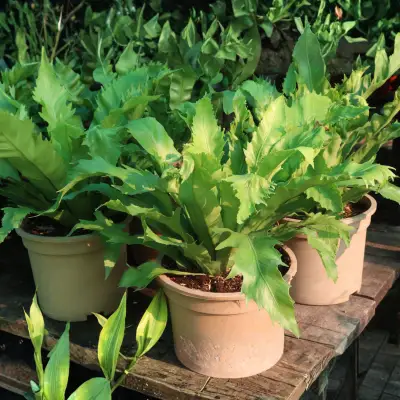
The bird’s nest fern is a fantastic plant; the curly and shiny leaves of this plant make it a popular choice among plant lovers. If you are thinking about the name of the bird’s nest fern, it gets its name because the middle of the plant looks a bit like a bird’s nest. In nature, it usually grows on tree trunks in humid forests.
It’s not just a pretty houseplant – it’s also considered a good air-purifying plant. That’s why it’s a popular pick among plants for indoor decoration as well as for improving air quality at home.
- Common Name: Bird’s nest fern, nest fern
- Botanical Name – Asplenium nidus
- Family: Aspleniaceae
- Plant Type: Perennial
- Mature Size: 3–5 ft. tall, 2–3 ft. wide outdoors, 2 ft. tall and wide indoors
- Sun Exposure: Partial shade
- Soil pH: Acidic (5.5 to 6.5)
- Hardiness Zones: 11–12, USA
- Native Area: Asia, Australia, Africa
Bird’s Nest Fern in Different Indian Languages
- Hindi: बर्ड्स नेस्ट फर्न
- Marathi: बर्ड्स नेस्ट फर्न
- Gujarati: બર્ડ્સ નેસ્ટ ફર્ન
- Bengali: বার্ডস নেস্ট ফার্ন
- Tamil: பேர்ட்ஸ் நெஸ்ட் ஃபெர்ன்
- Telugu: బర్డ్స్ నెస్ట్ ఫెర్న్
- Kannada: ಬರ್ಡ್ಸ್ ನೆಸ್ಟ್ ಫರ್ನ್
- Malayalam: ബേർഡ്സ് നെസ്റ്റ് ഫേൺ
- Punjabi: ਬਰਡਜ਼ ਨੇਸਟ ਫਰਨ
- Odia: ବାର୍ଡସ୍ ନେଷ୍ଟ ଫର୍ନ
Types of Bird’s Nest Fern
Here are a few varieties of bird’s nest ferns that feature different leaf shapes:
- A. nidus ‘Crispy Wave’: Sword-shaped ruffled leaves
- A. nidus ‘Osaka’: Narrow, strap-like leaves with rippled edges
- A. nidus ‘Antiquum’: Wavy leaf margins
- A. nidus ‘Victoria’: Long, wavy, tongue-shaped fronds
Bird’s nest fern care guide for beginners
Bird’s nest fern soil: Choosing the best potting mix for a Bird’s nest fern plant is the main thing if you want to grow a healthy plant of bird’s nest fern. A simple and effective bird’s nest fern soil mix can be made using. Prepare a soil mix by using these ingredients:
- 40% Regular potting mix
- 20% Perlite or coarse sand
- 25% Coco peat or peat moss
- 15% Compost or organic matter
- Keep the pH slightly acidic
If you give the right soil mix, it keeps the roots healthy and also helps the plant grow.
Bird’s nest fern watering: Getting bird’s nest fern watering right is important, since both overwatering and underwatering can harm the plant.
- Check the soil by touching it – water only when the top 1-2 inches feel dry
- Watering once or twice a week is usually enough
- Water a little more in summer and less in winter
- Let excess water drain out completely; never let water sit in the pot
- If possible, use room-temperature filtered or rainwater instead of hard tap water
This is helpful for those people who ask, “How often should I water a bird’s nest fern?” Give the water according to this.
Bird’s nest fern light requirements: Light plays a big role in how well this plant grows. Bird’s nest fern does not like direct sunlight.
- Bright, indirect light works best
- An east or north-facing window is ideal
- Avoid direct sun exposure, or the leaves will turn brown
- It’s also included in the low light houseplants category, meaning it can survive in lower light too
- In very low light, growth may slow down a bit
If you’re wondering, “Can bird’s nest fern grow in low light?” – the answer is yes, but for the best growth, give it some bright indirect light.
Bird’s nest fern humidity and temperature care:
You know this is a tropical plant, so it loves to grow in humidity. If you know the bird’s nest fern humidity and temperature care, this is the key to keeping your plant happy and healthy.
| Factor | Ideal Range |
| Temperature | 18°C to 27°C |
| Humidity | 50% to 70% |
| Avoid | Cold drafts and direct AC airflow |
| Winter Care | Keep away from heaters |
If the humidity in your home is low, use the pebble tray method to raise moisture levels around it to maintain it.
Fertilizer: Not much feeding is required for bird’s nest fern; give a little fertilizer; it can help to boost its growth.
- Give a mild liquid fertilizer during the growing season
- Stop fertilizing in winter
- Overfeeding can cause brown leaf tips
- Always use a diluted fertilizer — a strong dose can damage the roots
Common problems or easy solutions:
| Problem | Possible Reason | Solution |
| Leaves curling | Low humidity | Increase humidity |
| Brown leaf tips | Overfertilizing or hard water | Reduce fertilizer |
| Yellow leaves | Overwatering or poor drainage | Improve soil drainage, reduce watering |
| Slow growth | Insufficient light | Move to a spot with bright indirect light |
| Wilting | Root rot or excess water | Check pot drainage holes |
| Pest attack | Mealybugs or scale insects | Use a neem oil spray |
How do I repot a bird’s nest fern?
Bird’s nest fern plants should be repotted every 2 years, or when you see roots coming out of the drainage holes. Choose a pot that is only 1 to 2 inches bigger than the current one. Repot during the warm growing months, and water well after repotting to reduce shock. After repotting, keep the plant in indirect light for a few days so it can adjust.
Key Features and Benefits of Bird’s Nest Fern
Bird’s nest fern for home decor: The bird’s nest fern is the perfect plant for home decor because its add natural beauty. The unique wavy leaves of this plant look attractive and also add an aesthetic touch. This plant is perfect if you want to add greenery in your home; it is perfect for both modern and traditional home styles.
For Beginners: If you are beginners in gardening, this plant is perfect for your space because it’s not required too much attention. The plant grows with very low care; that’s why it is the perfect plant if you are looking for a low-maintenance plant.
Bird’s nest fern Vastu benefits: According to bird’s nest fern Vastu, it’s considered auspicious if you keep this plant in the living room or balcony. The east or north-east direction is ideal since it gets gentle morning indirect light, which suits the plant well.
For those people who ask, “Where should I place bird’s nest fern according to Vastu?” The simple answer is: place the plant in a living area or study room with natural light but no direct sun.
Bird’s nest fern air-purifying plant: The bird’s nest fern plant also works as an air-purifying plant if you want to naturally improve your home air quality. If you’re searching for the best air-purifying plants in India, this one definitely deserves a spot on the list. The plant also helps to fresh environment around you.
Indoor and Outdoor Plant: Bird’s nest fern can be grown as part of both indoor and outdoor plants, though when kept outdoors, choose a shaded spot. If you’re looking for outdoor plants for home that can also handle some shade, this is a solid option.
Bird’s Nest Fern Tips for Beginners
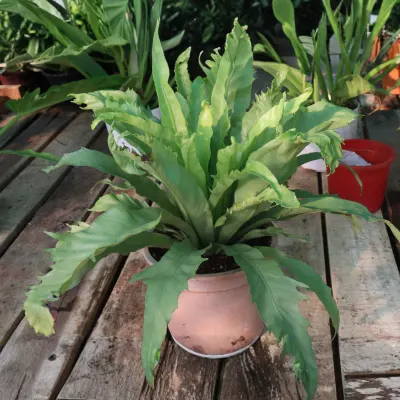
If you’re growing a plant for the first time, keep these points from this bird’s nest fern care guide for beginners in mind:
- Don’t give direct sunlight
- Water only when the soil feels dry
- Maintain humidity around the plant
- Use well-draining soil
- Fertilize lightly once a month
- Clean the leaves regularly to remove dust
Why buy Bird’s Nest Fern from Upjau in India?
Looking to buy bird’s nest fern? Upjau is a reliable choice for plant lovers in India. Here’s why:
- Healthy, well-rooted plants – Nurtured under expert care before delivery
- Right soil mix – Comes potted in a well-draining mix suited for ferns
- Safe packaging – Careful packing ensures the plant reaches undamaged, even on long routes
- Genuine variety – No mislabeled or look-alike plants
- Beginner-friendly care tips – Basic guidance included to help you get started
- Affordable pricing – Good quality without a heavy price tag
- Easy online ordering – Order from home, no nursery visits needed
For anyone starting their indoor fern care journey, buying from Upjau means you begin with a healthy plant, making the rest of the care much simpler.
Frequently asked questions:
- What temperature is best for a bird’s nest fern?
Bird’s Nest Fern grows best in temperatures between 18°C and 27°C. Keep it away from cold drafts and sudden temperature changes. - Why are my bird’s nest fern leaves curling?
Curling leaves can happen due to low humidity, underwatering, or too much direct sunlight. Keep the soil moist and provide bright, indirect light.
- Is Bird’s nest fern toxic to pets?
No, bird’s nest fern is considered non-toxic to cats and dogs, making it a safe choice for pet owners.
- Can I propagate bird’s nest fern at home?
Yes, you can grow it from spores at home, but the process is slow and needs patience. It is not usually propagated through leaf or stem cuttings. - How long does a bird’s nest fern live?
With proper care, a Bird’s Nest Fern can live for many years indoors. Good humidity, watering, and indirect light help it stay healthy.
