
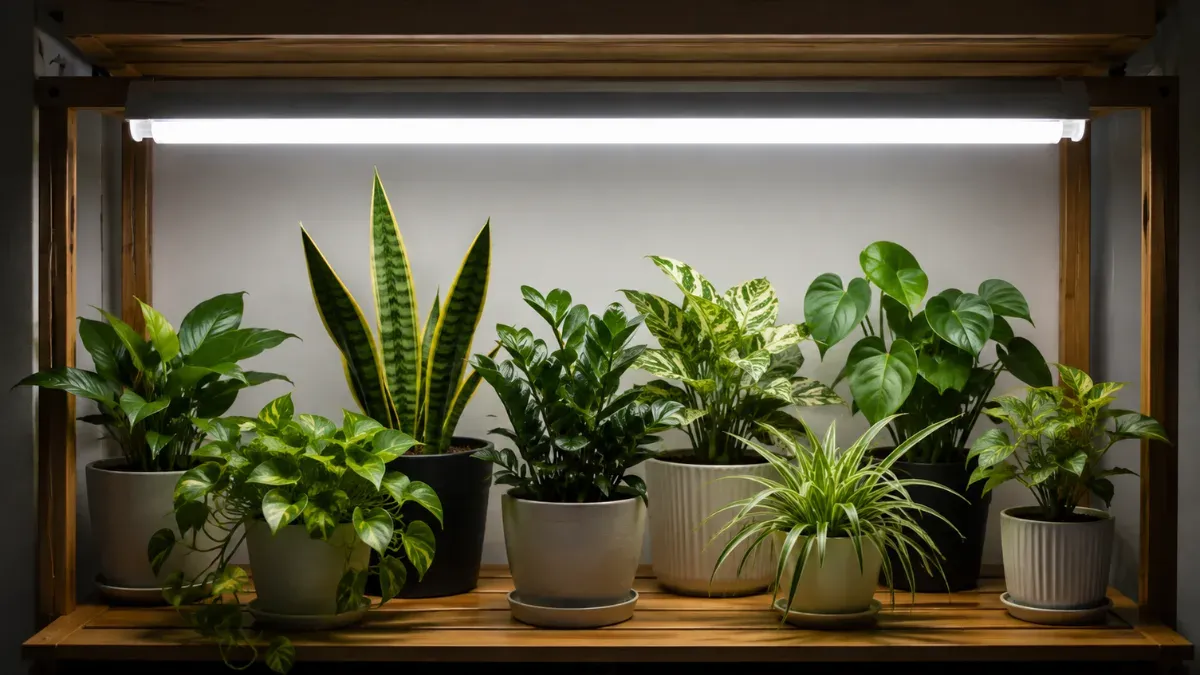
If your home or office doesn’t get much natural sunlight, that doesn’t mean you have to give up on greenery. More and more people today are keeping indoor plants under artificial light in their bedrooms, PG rooms, hostels, and office desks – and these plants are thriving without any trouble. In this guide, we’ll dive deep into how growing plants under tube light actually works, which are the best plants for tube light, and we’ll also share a complete care guide to help you succeed.
If your room doesn’t have a window or doesn’t get any daylight, indoor plants without sunlight are the perfect solution for you if you are a plant lover and want to make your own garden. This guide is especially written for people living in apartments, PG rooms, or offices where natural light is limited or almost non-existent.
What is the Science Behind This Logic?
Plants use light for photosynthesis – whether that light comes from the sun or from an artificial source. Tube lights (fluorescent lights) and LED lights both emit certain wavelengths that can support the photosynthesis process. This is exactly why plants that grow under LED light or tube light are able to generate the energy they need from the same lighting we already use at home or in the office.
That said, it’s true that tube light or LED light isn’t as intense as direct sunlight. That’s why not every plant can survive under a tube light – only certain low-light indoor plant varieties in India can truly flourish in these conditions. These plants slow down their metabolism and are naturally built to survive with minimal light.
What Kind of Plants Grow Under a Tubelight?
Snake Plant: The snake plant is the most popular and reliable option when it comes to snake plant under artificial light. This plant can survive in almost any condition, low light or moderate artificial light included.
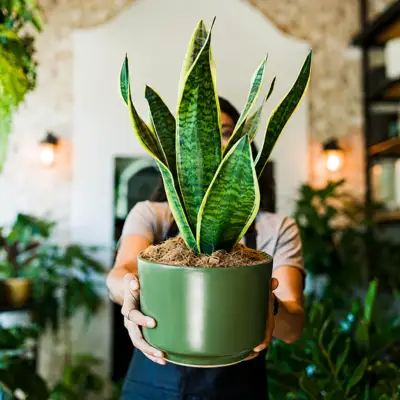
Why it works under tube lights: Snake plants follow Crassulacean Acid Metabolism photosynthesis, which means they carry out gas exchange at night and can survive on very little light energy during the day. This is exactly why it’s recommended so often for beginners and busy professionals alike.
Aglaonema: The selection of Aglaonema is the perfect choice if you want an indoor plant without extra effort for indoor spaces. The colorful leaves of Aglaonema brighten any corner, and it grows perfectly healthy under a tube light. This plant is perfect for those people who loves the plant and looking a plant for their office desks and living rooms.
ZZ Plant (Zamioculcas zamiifolia): ZZ plant low light care is very easy, which is exactly why it’s considered one of the best choices for beginners. The ZZ plant stores water in its thick rhizomes, allowing it to survive both low-water and low-light conditions with ease. The leaves of the ZZ plant efficiently absorb artificial light.
Pothos: Pothos (money plant) is one of the most popular choices when it comes to Pothos under tube light setups. This is one of the best plants that survives indoors with zero maintenance. Its trailing, leaves make it a favorite choice for hanging baskets, shelves, and study tables alike.
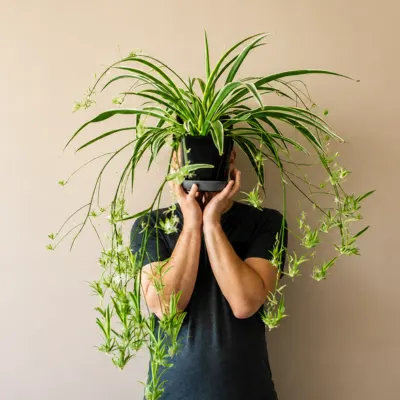
Spider Plant: These cheerful plants with cascading baby plantlets are excellent air purifiers and one of the low-maintenance. The plant grows well under tube light or indirect artificial light. It’s a forgiving plant that’s great for beginners.
Calathea: The beautifully patterned leaves make Calathea is a perfect choice among all gardeners. It naturally avoids direct sunlight, so indirect light sources like tube light or artificial light actually work quite well for it. That said, it does need a bit of extra humidity to stay happy.
What Type of Light Should I Use?
When we talk about how to grow indoor plants under tube light, the type of light also matters:
Cool white fluorescent tube lights – considered best for plant growth since they emit more blue-spectrum light, which promotes healthy leafy growth.
LED grow lights – if you’re serious about plant care and want to grow indoor plant from led lights, there are LED lights that are specifically designed for plants for indoor setups. These led light full-spectrum light that closely mimics natural sunlight.
How to Grow Indoor Plants Successfully Under Tube Lights?
Maintain Proper Lighting Hours
If you want good growth of your plant so, provide 8-12 hours of tube light or LED light daily. This helps maintain their natural photosynthesis cycle. Setting up a simple timer can also be helpful for staying consistent.
Maintain the Right Distance
The distance between the plant and tube light matters, keep a distance 1-2 feet between the plant and tube lights. Placing it too close can burn the leaves, while keeping it too far away means the plant won’t receive sufficient light.
Water Carefully
If you want to grow a plant under the tube lights so the plant grows slower so use less water. If you don’ t know the watering method then what you have to do, Check the soil before watering – stick your finger about an inch deep, and water only when it feels dry. Overwatering is the plant killer of your low care indoor plants.
Rotate Your Plants
Rotate your plant every week so that all sides receive equal light exposure and the growth of your plant is increased. This keeps the plant’s growth balanced and symmetrical – this is especially useful for Pothos, whose vines tend to grow faster toward the light source.
Give Occasional Natural Light
If possible, in once a week, keep your plant near a balcony or window for a few hours. The natural light helps to boost their overall health and vibrancy.
Maintain Humidity
A humidity tray or occasional misting helps keep the leaves healthy – this is particularly important for Aglaonema and Calathea, which both prefer slightly humid conditions. You can use humidifier also for maintain the humidity.
Fertilize Occasionally
Avoid heavy fertilizer because Growth is slower under low-light conditions. A mild liquid fertilizer once every 6-8 weeks is generally sufficient.
Signs Your Plant Is Not Getting Enough Light
- If your plant isn’t growing well, watch closely for these signs:
- Leaves turning pale or yellow
- New leaves coming in noticeably smaller
- The plant leaning toward the light source (leggy growth)
- Growth slowing down or stopping almost entirely
- Leaves dropping or falling off
- In the case of Pothos, the leaves may lose their variegation and turn a plain, dull green
If you notice these symptoms, increase the light duration or move the plant a bit closer to the light source.
Bring Home the Right Indoor Plants Today
Whether you’re looking for the best indoor plants for office desk under tube light, or the best low light plants for hostel or PG room, choosing the right plant can turn your space green and fresh. Air-purifying plants for home like Snake Plant, Pothos, and Spider Plant don’t just add to your decor; they also improve air quality, which is why they consistently top the list of best indoor plants for air quality.
This guide makes an excellent starting point for indoor plants for beginners; you can begin your green journey with these low-maintenance plants. Whether you’re searching for the best plants for apartments or simply want to refresh your workspace, these best indoor plants will make the perfect companions.
So what are you waiting for — pick the right Indoor Plants for your home or office today, and give your space a naturally green and refreshing makeover.
Frequently Asked Questions:
- Can plants really survive on tube light only, without any sunlight?
Yes, several low-light tolerant plants like Snake Plant, ZZ Plant, Pothos, and Peace Lily can survive purely on tube light or LED light.
- How many hours of tube light do plants need?
Most indoor plants need about 8 to 12 hours of tube light or LED light each day to mimic a natural daylight cycle.
- Which are the best plants for a PG room or hostel with no natural light?
Snake Plant, ZZ Plant, Pothos, and Peace Lily are excellent choices for PG rooms and hostels. They’re compact, low-maintenance, tolerate irregular care, and adapt well to artificial lighting.
- How do I know if my indoor plant isn’t getting enough light?
Common signs include pale or yellowing leaves, smaller new growth, leggy stems leaning toward the light, slowed growth, and leaf drop. - Which indoor plants also help improve air quality?
Snake Plant, Pothos, Peace Lily, and Spider Plant are known not just for surviving low light but also for actively improving indoor air quality, making them ideal choices for bedrooms and closed office spaces.
